Chinese green tea is not one uniform drink. It is a broad family of teas shaped by geography, harvest timing, plant varieties, processing choices, water, and local habits. A delicate cup from Zhejiang can taste completely different from a roasted tea made in Anhui or a grassy spring tea from Sichuan. The short version is simple: buy a fresh tea from a named region, use cooler water than you would for coffee, and adjust the steeping time to suit the leaves.
Green tea is made from leaves that are heated soon after picking to slow oxidation. In China, pan-firing is especially important. The leaves may be warmed in a wok or another heated vessel, then shaped by hand or machine. This creates aromas ranging from chestnut and toasted grain to fresh grass, flowers, peas, melon, and seaweed. Steaming also exists, but it is more closely associated with some Japanese green teas than with the best-known Chinese styles.
The main regions and styles to know
Several names appear repeatedly when you begin exploring Chinese green tea. Longjing, often called Dragon Well in English, comes from the West Lake area near Hangzhou in Zhejiang. Its flat, pressed leaves and nutty, gently sweet flavor have made it one of the most recognized styles. Higher grades can be costly, but a well-made everyday version is often a better introduction than a ceremonial-priced tin.
Biluochun is associated with Jiangsu and is known for small, curly leaves and a fragrant profile. Depending on grade and harvest, it can suggest spring flowers, fruit, and soft vegetal notes. Huangshan Maofeng from Anhui typically has tender leaves with a lightly sweet, savory character. Liu An Gua Pian, also from Anhui, is unusual because it is made from mature leaves without the usual bud-and-leaf appearance.
Chinese green tea from Sichuan, Hubei, Yunnan, and other provinces adds still more variety. Some teas are brisk and vegetal; others are mellow, roasted, or floral. Region matters, but it does not tell the entire story. Elevation, weather, picking standard, storage, and the maker’s skill can change the cup as much as the province printed on the package.
How processing changes the flavor
The word green describes the tea’s broad category, not a single flavor. A lightly fired tea may taste vivid and leafy, while a stronger firing can bring out roasted grain, toasted nuts, or warm bread. Leaf shape also affects brewing. Flat leaves open gradually, tightly rolled leaves unfurl over several infusions, and tiny tender leaves can release flavor quickly.
Harvest timing matters too. Early spring picking is often associated with delicate aroma and a soft texture, but later harvests can produce a fuller, more affordable cup. This is why a tea labeled “spring” is not automatically better for every drinker. Someone who adds a little sugar or serves tea with breakfast may prefer a sturdier later-season leaf.
Chinese green tea is also influenced by storage. Heat, light, moisture, and strong nearby odors can flatten aroma. An opened pouch left beside a stove may lose its freshness much sooner than the same tea kept sealed in a cool cabinet. You do not need an elaborate tea refrigerator; an airtight, opaque container and sensible rotation are usually enough for home use.
Brewing Chinese green tea without bitterness
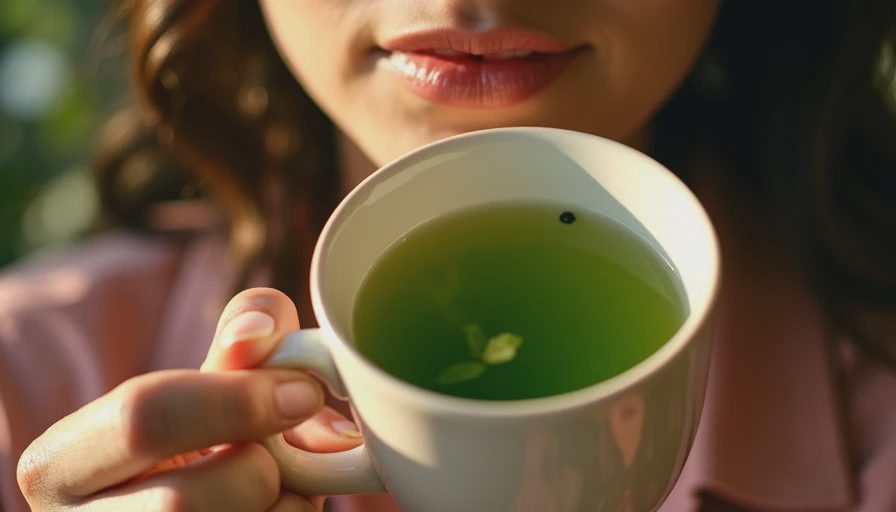
Water temperature is the most useful variable. Start around 160 to 175 degrees Fahrenheit for tender, fragrant leaves, and use a shorter steep of roughly one to two minutes. More robust leaves can handle water closer to 180 degrees and a longer infusion. Boiling water is not forbidden, but it often extracts bitterness and astringency before the sweeter aromas have time to appear.
For a standard mug, begin with about one teaspoon of loose leaf for eight to twelve ounces of water. If you use a teabag, give the leaves enough room to expand; a cramped bag can produce a flat, harsh drink. Taste the first infusion, then change one variable at a time. Lower the temperature if the tea is sharp. Add a few seconds if it tastes weak. This small method is more useful than chasing a rigid universal recipe.
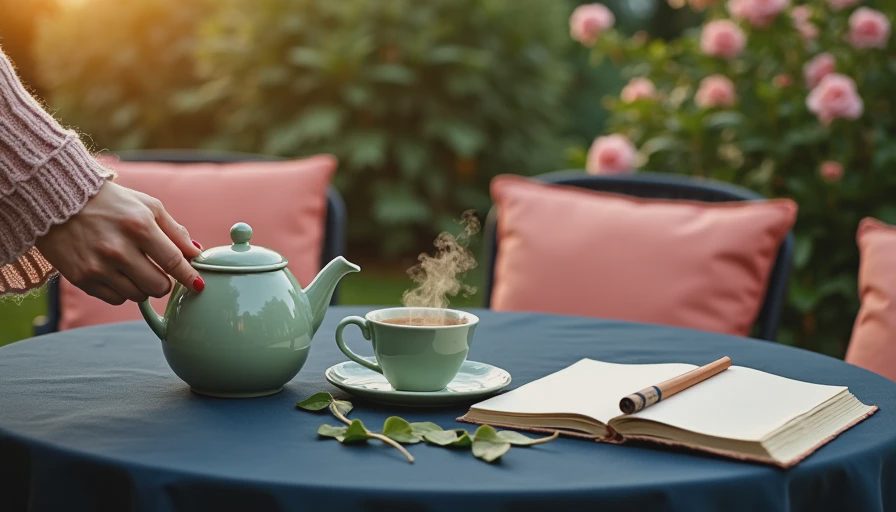
A small gaiwan, a glass cup, or an ordinary ceramic mug can all work. Glass makes it easy to watch leaves open, while a gaiwan offers quick control over repeated infusions. There is no requirement to own a matching set of objects. The best vessel is the one you will use comfortably and clean after breakfast.
Choosing a good tea at the store
Look for a harvest or packing date when available, a named style, and a specific region rather than a package that says only “green tea.” Loose leaf is not automatically superior, but it lets you inspect the leaves and often gives them more room to open. A resealable pouch in a modest quantity is safer than a large bargain bag that may sit for a year.
Prices vary widely. Everyday loose-leaf options often cost about $8 to $18 for a small package, while carefully made early-harvest teas can run $25, $50, or considerably more. Higher price can reflect labor, scarcity, grading, and presentation, but it does not guarantee that the flavor suits you. Buy a few small samples before committing to a large tin.
If the package uses grand historical language without naming a region, producer, harvest, or storage date, treat the story as marketing rather than evidence. Every cup has a history. Not every story is true. A clear label and a fresh, pleasant aroma are more valuable than a romantic legend.
Building a simple daily tea ritual
A practical routine can take five minutes. Warm your cup, measure the leaves, heat water, and let the first infusion cool for a moment before judging it. Notice the aroma before adding food or sweetener. Over time, you may begin to recognize differences between chestnut-like roasted notes, fresh vegetal flavors, and floral sweetness.
Chinese green tea pairs well with steamed rice, dumplings, eggs, toast, mild cheese, almonds, and lightly seasoned vegetables. Strongly sugary desserts can overwhelm delicate tea, while salty or savory foods often make its sweetness easier to notice. For a workday ritual, brew a slightly stronger cup in a covered mug and keep a second infusion for later rather than letting the first batch become oversteeped.
This is one tradition, not the only tradition. You can appreciate regional history without performing expertise, and you can use a favorite mug instead of specialized teaware. Begin with one fresh style, brew it three ways, and keep notes about temperature and timing. That experiment will teach you more than a shelf full of unopened tins.
A beginner’s tasting plan
Start with a lightly roasted Longjing-style tea, a fragrant Biluochun, and a more robust green from Anhui or another named province. Brew each with the same amount of leaf and water, changing only the temperature when necessary. Smell the dry leaves, observe how they open, and taste the liquor after it cools slightly.
Write down three details: the first aroma, the texture on your tongue, and the aftertaste after swallowing. “Fresh,” “toasty,” “sweet,” “bitter,” and “thin” are useful descriptions, even when they are not poetic. After two or three sessions, you will know whether you prefer a crisp morning tea, a soft floral cup, or a roasted style that stands up to breakfast.
Chinese green tea rewards attention without demanding ceremony. Its regional diversity gives curious drinkers a wide path to explore, while its basic brewing method remains friendly to an American kitchen. Buy a small amount, protect it from heat and light, and let your own palate guide the next cup.

No comments yet — be the first to share a thought.