The short version is this: white tea is lightly processed tea made from the young buds and leaves of the Camellia sinensis plant. Its flavor can be gentle, floral, grassy, melon-like, or unexpectedly rich, depending on the harvest, region, cultivar, and processing. If you are new to loose-leaf tea, it is an inviting place to begin because the cup rewards careful attention without requiring elaborate equipment.
The name describes the fine silvery hairs visible on some young buds, not a pale color in every finished infusion. White tea can brew nearly clear, straw-colored, or golden. It is not herbal tea, and it is not automatically caffeine-free. Like green, black, and oolong tea, it comes from the same tea plant, although its leaves undergo a different style of handling.
What white tea is and where it comes from
Traditional white tea is strongly associated with Fujian, a coastal province in southeastern China, especially areas known historically for bud-focused teas. Two familiar names are Silver Needle, made primarily from unopened buds, and White Peony, usually made from a bud and one or more young leaves. These names refer to styles, but production details can differ among gardens and makers.
Freshly picked leaves are generally allowed to wither, meaning they rest while moisture slowly leaves the plant tissue. They are then dried. Unlike black tea, the leaves are not intentionally rolled and fully oxidized. Unlike many green teas, they are not always heated immediately to stop enzymatic activity. This relatively restrained process is one reason the finished leaf can retain a loose, natural appearance.
The historical record is less tidy than the popular story. Modern marketing sometimes presents white tea as an untouched drink preserved unchanged for centuries. In reality, methods, terminology, trade patterns, and consumer expectations have shifted over time. Imperial associations exist in the history of some bud teas, but that does not mean every modern cup carries a single ancient ritual. Every cup has a history. Not every story is true.

Flavor, appearance, and caffeine
A good white tea often has a soft aroma and a light body, but “delicate” should not be confused with flavorless. Silver Needle may suggest fresh hay, cucumber, white flowers, or honey. White Peony can be more structured, with notes of dried fruit, grain, herbs, or ripe melon. Aged versions may develop deeper wood, spice, and dried-fruit characteristics, although age alone does not guarantee quality.
The buds of some styles are covered in pale hairs called trichomes. These create the familiar silvery appearance and can add a plush texture to the liquor. Leaf grade is not the whole story, however. A clean harvest, careful drying, sound storage, and a pleasant balance matter more than a dramatic product description.
White tea contains caffeine because it is made from the tea plant. The amount in a cup depends on leaf material, serving size, water temperature, steeping time, and preparation style. Bud-heavy tea is not automatically low in caffeine. If caffeine affects your sleep, drink it earlier in the day rather than relying on its pale color as a guide.
How to brew white tea at home
Start with fresh, clean water and a small teapot, basket infuser, or ordinary mug with a removable strainer. For a Western-style cup, use about 2 to 3 grams of loose leaf for 8 to 12 ounces of water. Water around 175 to 185 degrees Fahrenheit is a useful starting point, though many white teas also taste good with hotter water when the leaf is sturdy.
Steep the first infusion for about 3 minutes, then taste it. If the cup seems thin, add time or leaf before raising the temperature dramatically. If it tastes sharp, dry, or overly vegetal, shorten the steep or let the water cool. Silver Needle often benefits from a longer, gentler extraction, while a leafier White Peony can handle a more assertive approach.
A small gaiwan or teapot also works well for multiple short infusions. Use a modest amount of leaf, cover it with hot water, and pour after 30 to 60 seconds. Extend the time with each round. This style reveals changes in aroma and texture, but it is not a test of expertise. A mug at your desk is equally valid; tea traditions adapt when they move into new homes.
Choosing and storing a good tea
When buying white tea, look for a clear product name, harvest region, harvest season when available, and a seller who explains how the tea was stored. Loose leaf lets you inspect the material, but a well-made bagged tea can still be convenient and enjoyable. Avoid treating “premium,” “detox,” or “ancient” as proof of quality. Those words tell you little about the actual leaf.
Compare aroma before brewing. Dry leaves should smell clean and inviting rather than dusty, perfumed, or stale. A Silver Needle should not need an intense artificial fragrance to seem interesting. If a package has been sitting in a sunny window or an open display jar, freshness may already be compromised.
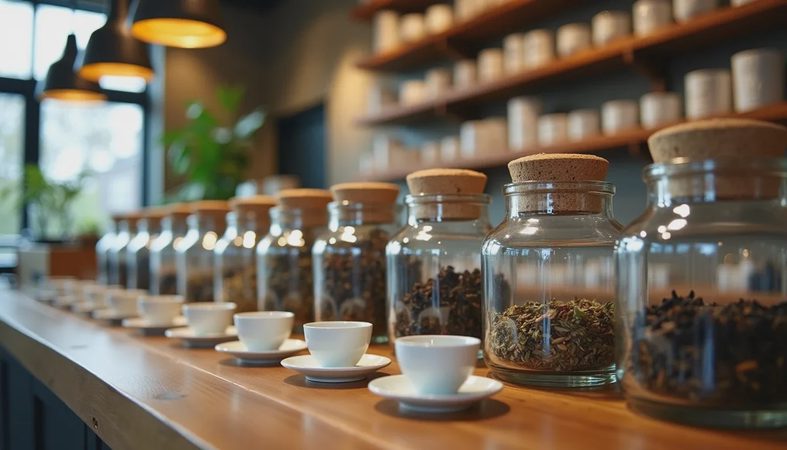
Store the tea in an opaque, airtight container away from heat, moisture, strong kitchen odors, and direct light. A cabinet is usually better than the refrigerator, where condensation and food aromas can create problems. Buy a quantity you can use within a reasonable period. For most everyday drinkers, a small 2- to 3-ounce package is more practical than a large bargain bag that loses aroma before it is finished.
Building a simple tea ritual
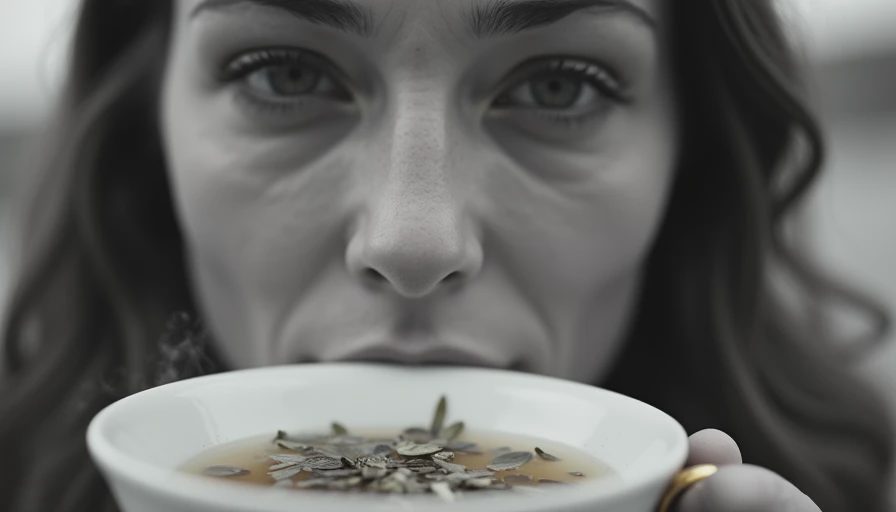
You do not need a ceremonial room to make the preparation meaningful. Boil water while opening a book, use one favorite cup, and give the leaves a few quiet minutes before the first sip. A small tray can keep the kettle, timer, cup, and waste bowl together. These objects are practical before they are decorative: they reduce clutter and make repetition easier.
For food, try a light breakfast, plain butter cookies, fresh fruit, rice dishes, soft cheese, or a simple almond cake. Very spicy or heavily smoked foods can overwhelm the quieter aroma of some white teas, although a fuller leaf tea can stand up to more substantial meals. Taste the pairing for yourself rather than following a rigid rule.
This is one tradition, not the only tradition. Someone using a teabag at work is not failing a cultural standard, and someone using a handmade pot is not automatically practicing an older or more meaningful form. You can appreciate the ritual without performing expertise. The useful question is whether the cup helps you notice flavor, place, and time.
Common questions about white tea
Is white tea sweet? It can taste naturally sweet, especially when brewed carefully, but it contains no added sugar unless the product is flavored. Floral, hay-like, melon, and honeyed notes are descriptions of aroma and taste, not evidence that sweetener has been added.
Can you drink it cold? Yes. Brew it hot and chill it, or use a cold-steep method in the refrigerator for several hours. Cold water extracts flavor slowly and can produce a soft, refreshing cup. Keep the finished drink refrigerated and use a clean container.
Is expensive white tea always better? No. Price can reflect labor, scarcity, packaging, shipping, and reputation. A fresh, well-made everyday tea for $10 to $20 can be more satisfying than a costly tea purchased for its label alone. Buy enough for several sessions, and judge the cup rather than the story.
The best way to understand white tea is to taste two styles side by side. Brew them with the same water, compare the dry leaves, and write down what changes after each infusion. That modest experiment turns an unfamiliar category into something personal, practical, and memorable.
No comments yet — be the first to share a thought.