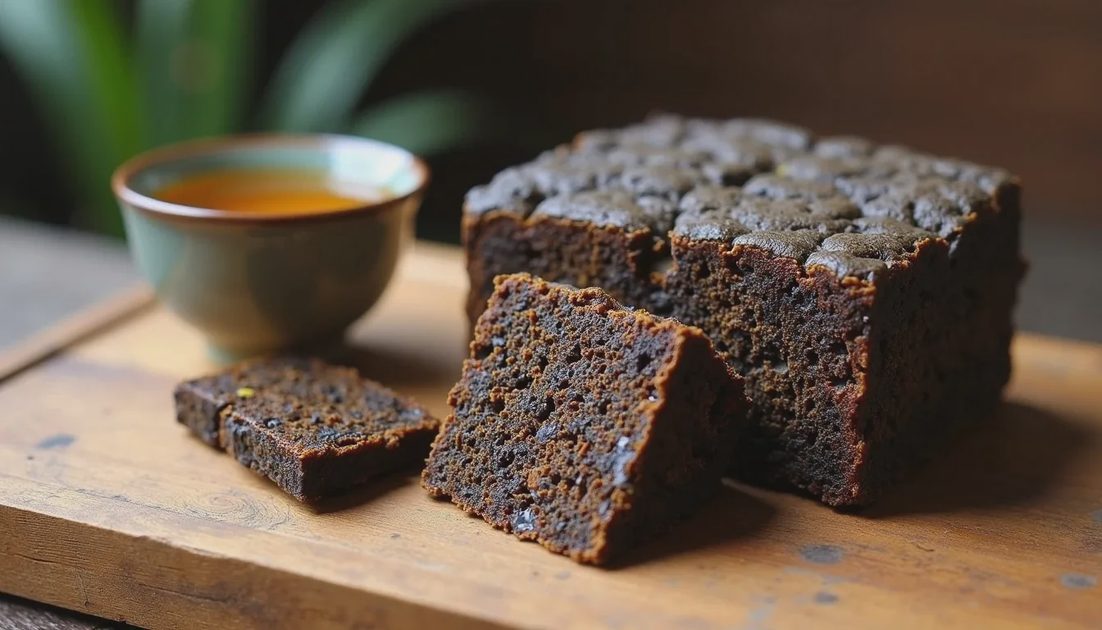
Pu-erh is often the first tea that makes beginners stop and say, “This doesn’t taste like the others.”
The difference is real and it is rooted in processing. While green, oolong, and black teas are defined mainly by how much oxidation occurs before the leaf is dried, pu-erh belongs to the dark-tea category and is shaped by post-fermentation—microbial activity that continues after the initial steps. That extra biological dimension creates flavors, textures, and aging potential that set pu-erh apart.
The Short Version
Pu-erh is a dark tea from Yunnan, China, made from large-leaf tea and defined by post-fermentation. It appears in two main styles:
Raw (sheng) pu-erh, which can be aged for years and evolves slowly, and
Ripe (shou) pu-erh, which undergoes an accelerated fermentation process to produce a darker, smoother cup more quickly.
Both differ from green, oolong, and black tea in processing, flavor profile, and aging behavior.
Post-Fermentation: The Key Distinction
After the leaves are fixed, shaped, and dried, pu-erh is subject to microbial fermentation. In raw pu-erh this happens slowly over years of storage under appropriate conditions. In ripe pu-erh the process is deliberately accelerated under controlled humidity and temperature so that the tea darkens and softens in months rather than decades.
This microbial stage changes the chemistry of the leaf in ways that ordinary oxidation does not. The resulting flavors often include earthy, woody, camphor, dried-fruit, or smooth dark-chocolate notes, along with a thick texture that many drinkers prize. Young raw pu-erh can still taste bright and astringent; aged raw and ripe pu-erh usually move toward deeper, rounder profiles.
Raw (Sheng) vs. Ripe (Shou)
Raw pu-erh begins closer to a green tea in its early life. It is often compressed into cakes, bricks, or other shapes. With proper storage it can develop complexity for decades. Young sheng can be intense, floral, or bitter; older sheng tends to become smoother, sweeter, and more layered.
Ripe pu-erh was developed in the 1970s to meet demand for darker, aged-tasting tea without the long wait. The accelerated fermentation produces a dark leaf and a deep, often earthy or woody liquor relatively quickly. Quality varies widely; well-made ripe pu-erh is clean and thick, while poor examples can taste muddy or fishy.
Both styles are traditional parts of the pu-erh category today. Neither is inherently superior; they offer different experiences.
How Pu-erh Differs from Other Categories
Versus green tea: Green tea is prevented from oxidizing and is not post-fermented. Pu-erh, even young raw, has a different trajectory and microbial influence.
Versus oolong: Oolong is partially oxidized and then stopped. It does not undergo the same long-term microbial fermentation.
Versus black tea: Black tea is fully oxidized and then dried. It does not rely on post-fermentation for its character and generally does not age in the same way.
Pu-erh’s ability to change over years of storage is one of its most distinctive features. Proper storage (clean air, stable conditions, appropriate humidity) is part of the tradition.
Practical Advice for Beginners
Start with ripe pu-erh if you want an immediate sense of the darker, smoother side of the category. Look for clean, pleasant earthiness rather than sour or muddy notes.
Try young and aged raw pu-erh side by side when you can. The contrast teaches more than any description.
Brewing
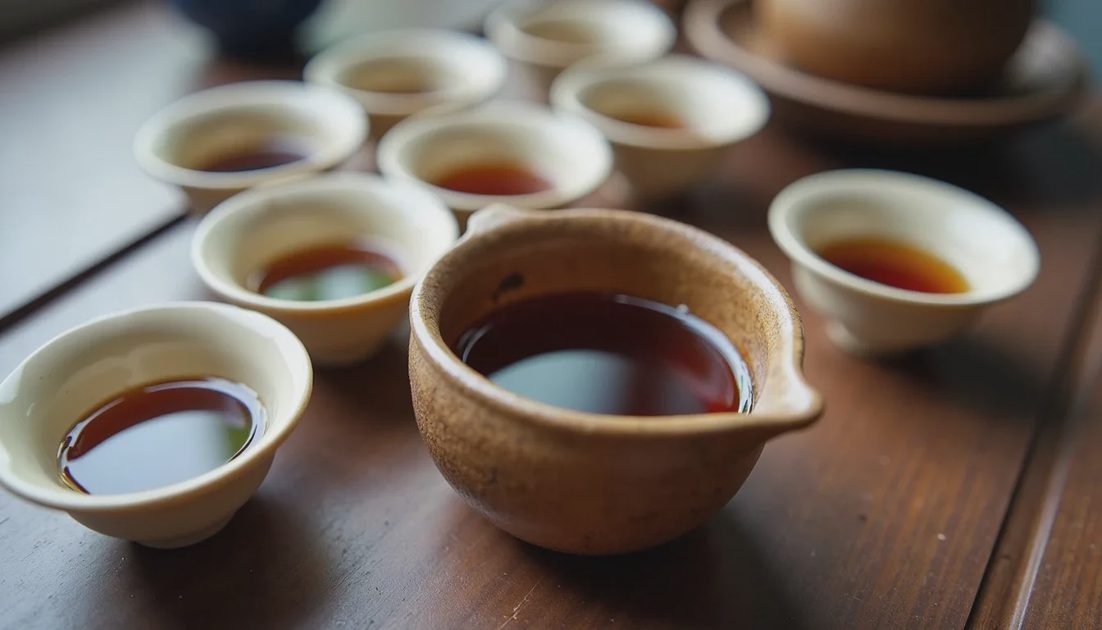
Use good water and a vessel that gives the leaf room. Many drinkers prefer short infusions in a gaiwan or small teapot, adjusting time as the leaf opens. Pu-erh can often handle hotter water than delicate green teas.
Storage at home
Keep cakes or loose pu-erh away from strong odors, excessive moisture, and direct sunlight. Unlike many green teas, pu-erh is not always at its best the moment it is packaged; time can be part of the process.
Common Beginner Pitfalls
Judging all pu-erh by one poor-quality ripe sample.
Expecting young raw pu-erh to taste like aged raw pu-erh.
Storing pu-erh in airtight plastic with no air exchange for long periods.
Over-steeping the first infusion and deciding the tea is “too strong.”
Quality and style vary enormously. A trusted vendor and small sample sizes are more useful than large speculative purchases at the beginning.
Final Thought
Pu-erh is different because its defining work happens after the initial processing, through microbial fermentation and, in many cases, long aging. That difference produces a category that can feel unfamiliar at first and deeply rewarding once you find styles that suit you.
Every cup has a history. Not every story is true. The post-fermentation story of pu-erh is one of the true ones—and one of the most distinctive in the world of tea.

No comments yet — be the first to share a thought.