Tea culture can look forbidding from the outside: specialized language, precise gestures, expensive equipment, and unspoken rules. None of that is required to give a child a positive early experience with tea.
Children respond to sensory detail, real participation, and low-stakes repetition. A useful introduction treats tea as something interesting to smell, watch, help prepare, and sometimes taste—not as a performance of correctness or a lesson in refinement. The approach below is designed for ordinary households rather than formal instruction or cultural display.
The Short Version
Keep the experience concrete and short. Let children handle safe tasks, smell dry leaves, watch color change in water, and taste mild teas in small amounts when they are old enough and interested. Avoid long explanations, rigid etiquette, and pressure to “appreciate” anything. Curiosity grows faster than compliance. The adult’s job is to keep the door open, not to push the child through it.
Why Formality Often Backfires
When tea is presented as a set of rules to memorize or a test of manners, many children disengage. They may comply in the moment and then avoid the whole subject later. When tea is presented as a shared sensory activity with clear, limited roles, children are more likely to stay curious. The difference is not the tea itself. The difference is whether the experience feels like an invitation or an evaluation.
Adult anxiety about “doing it properly” is contagious. If the adult is tense about correctness, the child absorbs that tension. A calmer, more practical stance produces better long-term results.
Age-Appropriate Entry Points
Young children (roughly 3–6)
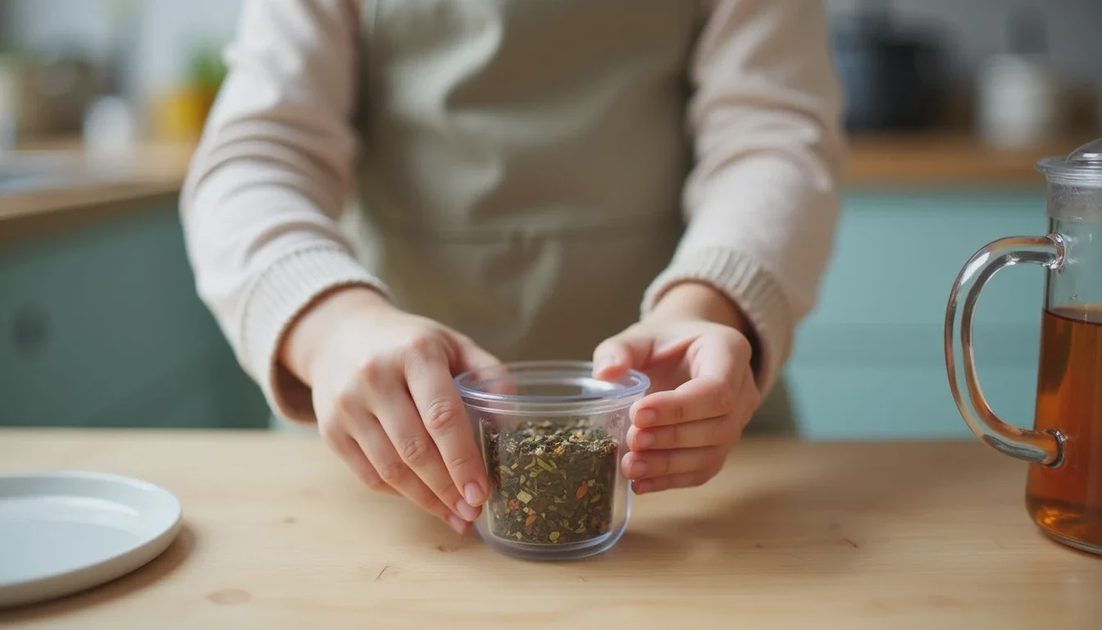
Focus on sensory observation rather than drinking. Let them smell dry leaves from different teas, help place a tea bag or infuser under close supervision, and watch water change color. Decafeinated or very mild herbal options can be offered in tiny amounts if you and their pediatric guidance are comfortable with it. The primary goal at this stage is positive association and observation, not caffeine intake or flavor analysis.
Older children (roughly 7–12)
Many can participate more actively: measuring leaf with a spoon, pouring cooled water from a small kettle under supervision, timing with a phone timer, and tasting small sips of appropriately mild teas. Conversation works best as simple, open questions—“What does it smell like? Does the color remind you of anything?”—rather than prepared lectures about origin or processing.
Teenagers
They can handle more of the real process and a wider range of teas. The main risk at this stage is pressure or performance. Offering tea as one available option among others, and sharing what you yourself enjoy without requiring matching enthusiasm, works better than turning the subject into a curriculum or a marker of sophistication.
Making Participation Real
Children engage more deeply when they have actual tasks rather than only observational roles. Useful, safe tasks include:
Choosing which cup to use
Scooping leaf with a dedicated spoon
Placing the infuser or tea bag
Starting and stopping a timer
Describing aroma or color in their own words
Carrying a small plate or napkin to the table
These roles turn tea from something adults do at children into something they help make. The quality of the leaf can stay modest; the quality of the invitation matters more. A child who has helped prepare the tea is already more invested in the outcome than a child who has only been told to sit and watch.
Choosing Mild, Forgiving Teas
For any tasting involving children, prioritize:
Lower caffeine options when possible, or very short contact time with the leaf
Teas that do not become harshly bitter with minor timing errors
Familiar or gentle flavor directions (soft malt, mild fruit, light floral) rather than intense smoky, medicinal, or highly astringent notes
Many households successfully use diluted tea, very short steeps, or caffeine-free herbals as the main beverage for younger children while still letting them participate in the preparation of a small pot of real tea for adults and older tasters. Local pediatric guidance on caffeine should always take priority over any cultural or educational ambition.
Ritual Without Rigidity
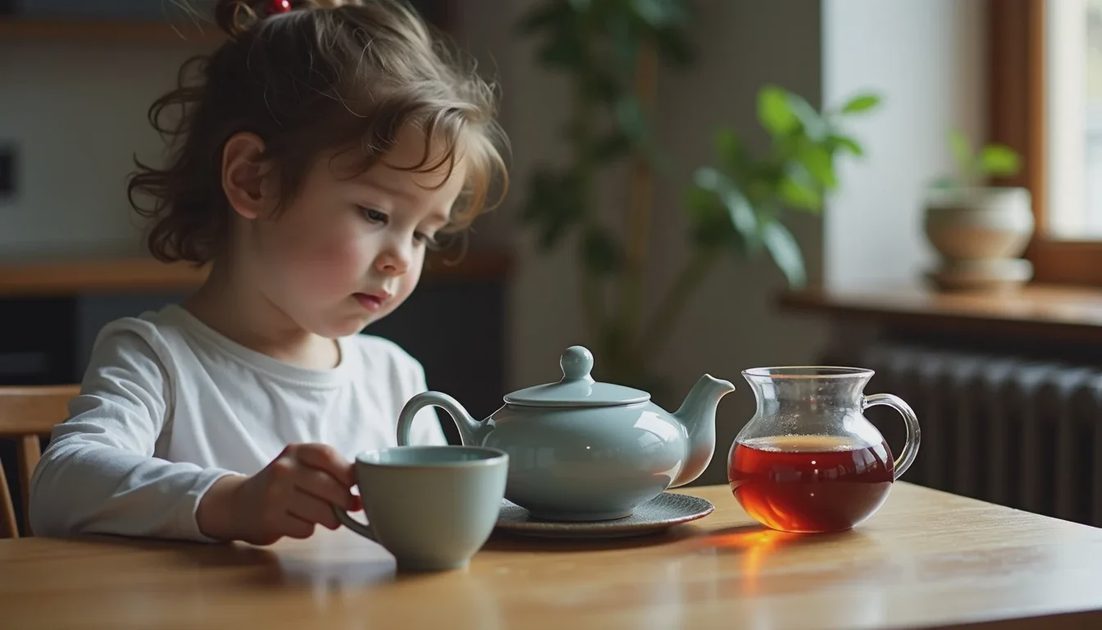
Children often enjoy light ritual because it is predictable and shared. The same cup, the same short sequence, a regular weekend time—these elements create comfort. The moment the ritual becomes a test of manners, memory, or posture, many children withdraw.
A useful light structure looks like this:
We heat the water together.
We smell the leaf.
We wait for the timer.
We taste or observe, and each person says one true thing about it.
That is enough. Formal gestures, prescribed phrases, or correction of how a child sits or holds a cup are unnecessary in a home setting and often counterproductive. The purpose is shared attention, not the reproduction of a formal tradition.
What to Avoid
Several common patterns undermine the experience:
Long historical or cultural lectures before any sensory contact
Correcting a child’s spontaneous description of flavor or smell
Insisting they finish a cup they dislike
Using special-occasion china that creates fear of breakage or spills
Framing tea as “more refined” or “better” than the drinks they already like
Turning every session into a lesson with quiz-like questions
Pressure teaches children that tea is a performance. Ease teaches them that it is available and ordinary.

Connecting to Broader Curiosity
When interest appears naturally, tea can link to subjects children already care about: where plants grow, how color changes in water, why some smells are strong and others faint, how daily habits differ between households and places. These connections work best when they grow from observation rather than from a prepared curriculum delivered in advance.
If a child asks a historical or cultural question, answer it simply and accurately. If they do not ask, the sensory and participatory experience alone is already valuable. Forced context often reduces rather than increases interest.
Final Thought
The goal is not to raise a miniature tea expert or to reproduce a formal tradition in the living room. The goal is to keep the door open so that tea remains a possible source of comfort, curiosity, and shared attention as the child grows. A short, repeated, low-pressure experience does that more effectively than any formal program.
Every cup has a history. Not every story is true. The story that children can be welcomed into tea without formality, fear, or performance is one of the true ones worth practicing at home.
No comments yet — be the first to share a thought.