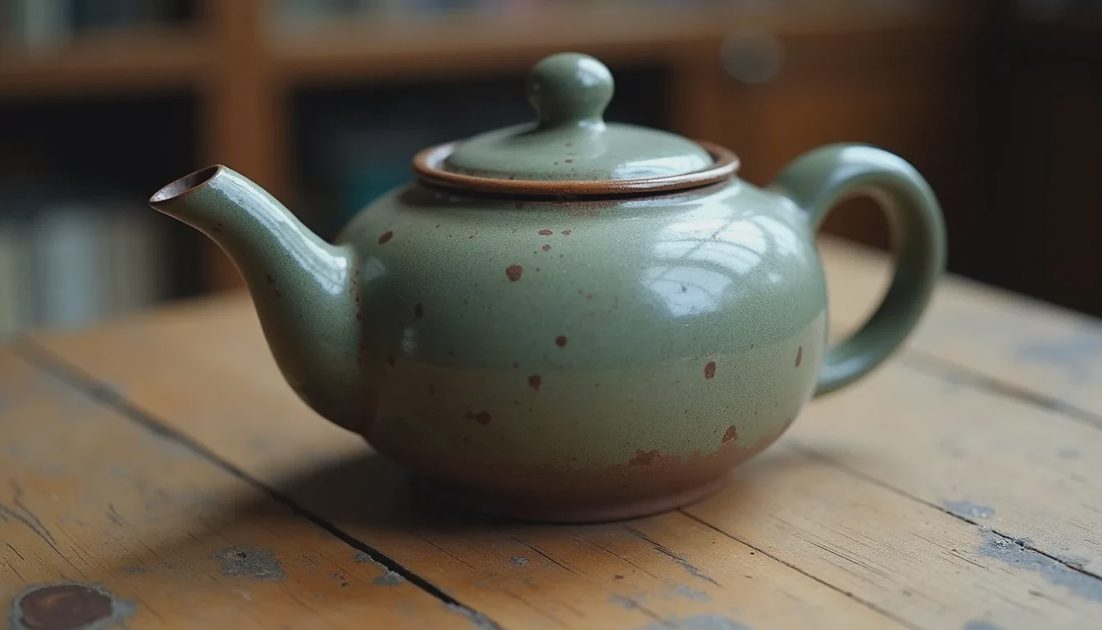
An old ceramic teapot often carries more than tea. It may carry the marks of previous owners, the slight irregularities of earlier production, and the quiet evidence of years of hot water and leaf. That history is part of its appeal. It is also the reason care matters. Aggressive cleaning, sudden temperature changes, or careless storage can turn a sturdy vessel into a cracked or stained one.
This guide focuses on practical, low-drama maintenance for glazed ceramic and porcelain teapots that are already aged or previously used. The aim is to keep the pot safe and pleasant to brew with, not to restore it to factory-new appearance.
The Short Version
Avoid thermal shock, harsh abrasives, and strong detergents. Rinse with warm water, clean gently when needed, dry thoroughly, and store where the pot will not be knocked or subjected to extreme temperature swings. Treat stains and odors with patient, mild methods rather than aggressive chemistry. When in doubt, less force and less heat difference is safer.
Understanding the Material
Most older ceramic teapots are either porcelain or stoneware with a glaze. The glaze provides a glass-like surface that resists staining and makes cleaning easier. Chips, crazing (fine crackle lines in the glaze), and small manufacturing irregularities are common in older pieces and do not automatically make a pot unusable. Structural cracks that run through the body or handle, however, can make a pot unsafe for hot liquid.
Before investing care, check:
The handle and spout joints for hairline cracks
The interior for rough chips that could harbor residue
The lid fit (a slightly loose or slightly tight lid is common; a severely warped one may be inconvenient)
A pot that is structurally sound can usually be maintained with simple habits.
Daily and Routine Cleaning
For ordinary use, the gentlest effective method is best:
Empty spent leaves promptly.
Rinse with warm (not boiling and not cold) water.
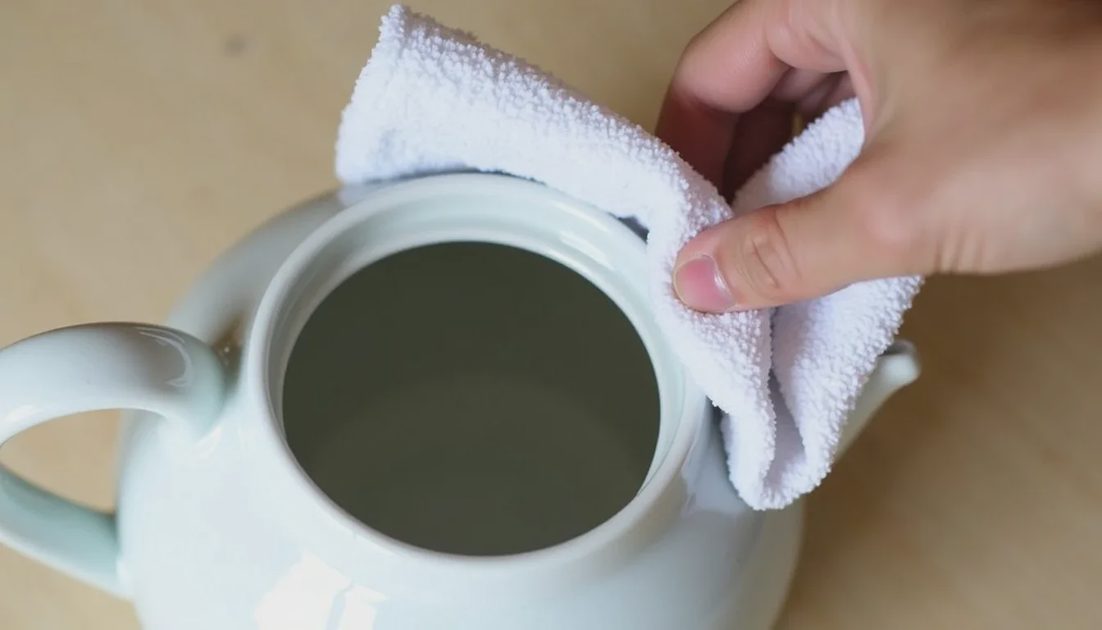
Wipe the interior with a soft cloth or soft sponge if needed.
Rinse again and dry thoroughly, lid off, so moisture does not sit inside.
Avoid soaking the pot for long periods, especially if there is any unglazed foot or exposed clay. Prolonged water exposure can stress older materials. Dishwashers are generally unwise: high heat, strong detergent, and mechanical force are hard on aged glazes and joints.
If the pot is used for different types of tea, a thorough warm rinse between sessions is usually enough. Dedicating an older pot to one broad category (for example, darker teas only) reduces the chance of lingering aroma transfer, though it is not mandatory for casual home use.
Dealing with Stains and Odors
Tea film and mineral deposits accumulate over time. Mild approaches work better than aggressive ones:
Baking soda paste: A small amount of baking soda with water, applied gently with a soft cloth, can lift surface staining. Rinse thoroughly afterward.
Warm water and time: Filling the pot with warm water and letting it stand can loosen residue without abrasion.
Avoid: Abrasive powders, metal scouring pads, bleach, and strong chemical cleaners. These can scratch glaze, leave odors of their own, or damage older materials.
For odors that persist, repeated cycles of warm water rinsing and thorough drying are safer than intensifying the chemistry. Sunlight and good air circulation help once the pot is clean and dry.
Temperature Discipline
Thermal shock is one of the main risks to older ceramic. Pouring boiling water into a cold pot, or placing a hot pot onto a cold stone surface, creates stress that can crack glaze or body.
Practical habits:
Warm the pot with a little hot water and discard it before the main infusion when the pot has been sitting in a cool room.
Avoid moving a hot pot directly onto a cold countertop; use a cloth, trivet, or wooden board.
Do not place an old ceramic pot on a stovetop burner or in an oven unless you are certain it was designed for that use (most were not).
These precautions cost almost no time and significantly reduce risk.
Storage
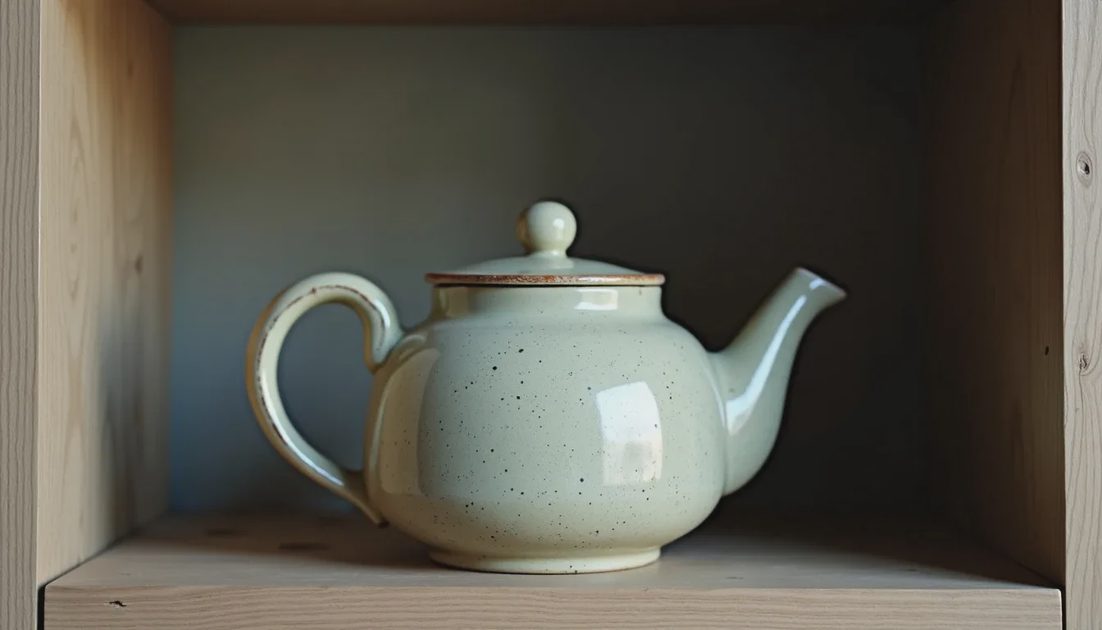
Store the pot with the lid off or slightly ajar so air can circulate and moisture does not remain trapped. Keep it where it will not be knocked by other dishes. If space is tight, a simple padded shelf or a dedicated corner of a cupboard is enough. Avoid stacking heavy items on top of an old teapot.
If the pot has a separate lid, check that the lid knob or finial is secure. Older lids sometimes loosen; a small amount of appropriate food-safe adhesive can be used if you are comfortable with minor repair, otherwise simply handle the lid with extra care.
When to Retire or Limit Use
Not every old pot should remain in active service. Deep structural cracks, a handle that moves independently of the body, or persistent mold that cannot be removed safely are signs that the pot is better kept as a display object or retired. Using a compromised vessel for hot liquid is not worth the risk.
If you inherit or buy a pot whose history is unknown, a careful visual inspection and a few gentle test cycles with water only are wise before introducing tea.
Final Thought
An old ceramic teapot does not need elaborate restoration to remain useful. It needs consistent, mild care: gentle cleaning, respect for temperature, thorough drying, and sensible storage. Those habits preserve both function and character. The marks of age can stay; the damage from careless handling does not have to appear.
Every cup has a history. Not every story is true. The quiet story of a well-cared-for pot that continues to serve is one of the truer ones you can practice in your own kitchen.
No comments yet — be the first to share a thought.