I have spent years standing in museum storage rooms holding cracked teacups, reading shipping records that list “tea chests” next to silk and porcelain, and watching people in modern kitchens try to recreate rituals they only half understand.
Somewhere between the archival documents and the everyday mug, a gap kept appearing. Most tea writing either stayed in the realm of romantic legend or jumped straight to brewing temperature charts. Very little connected the two: the historical evidence, the physical objects, and the practical question of how a busy American household might actually use any of it.
That gap is why this blog exists.
The Short Version
The Tea Atlas helps curious American readers understand tea traditions, choose better tea, and bring historically informed brewing rituals into everyday life.
It does so without turning tea into an elitist hobby, without exoticizing cultures, and without repeating unsupported health claims or tidy origin myths.
Who I Am and How I Got Here
My name is Beatrice Hawthorne. I live in Portland, Oregon, with my husband Thomas, our eight-year-old daughter Clara, and an orange cat named Juniper who has strong opinions about the tea table.
I trained in anthropology and material culture. After graduate work at the University of Oregon, I worked as an assistant curator focused on Asian arts and everyday life at a Pacific Northwest museum. Later I spent four years documenting tea objects, trade routes, and domestic rituals for a cultural-heritage nonprofit. The work taught me two lasting lessons:
Objects carry stories that written records sometimes omit or romanticize.
Most people who love tea want clear, usable information more than they want another layer of mystique.
Today I write independently. My goal is to translate archival sources and material evidence into explanations that a thoughtful beginner can actually use.
What You Will Find Here
The site is organized into four core categories that mirror how tea actually lives in the world.
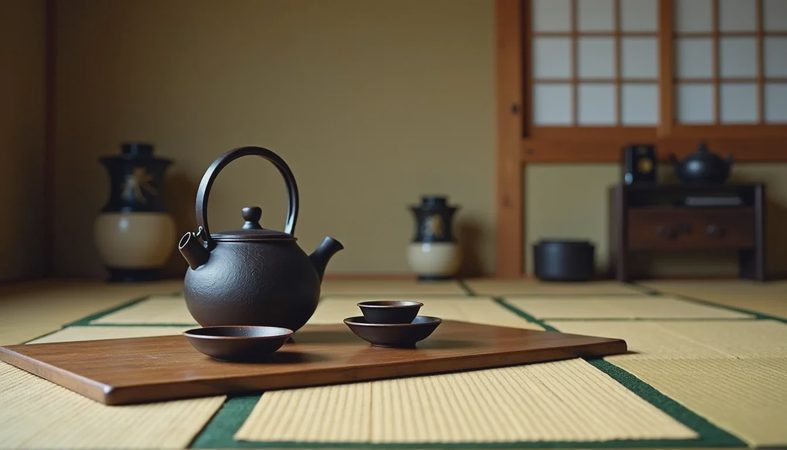
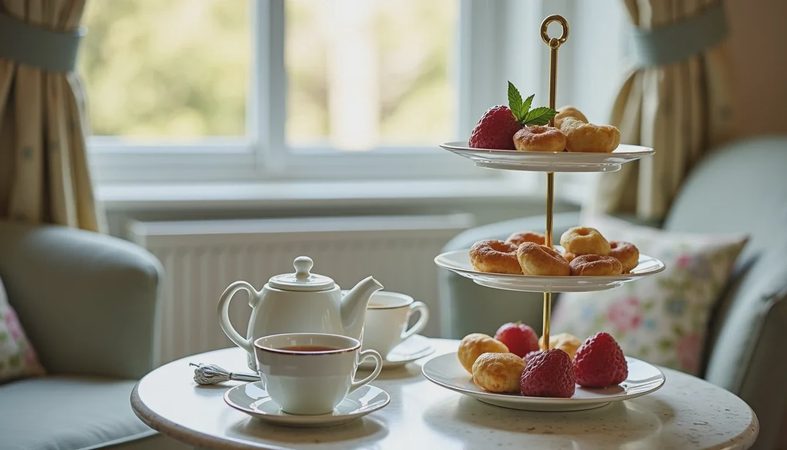
Tea Traditions
History, social meaning, tools, rituals, and regional differences behind Chinese, Japanese, British, and other tea cultures. This is where we examine how practices developed and which popular stories are historically uncertain.
Leaf by Leaf
Beginner-friendly explanations of the main tea types—green, black, white, oolong, pu-erh, dark, herbal, and flavored—along with processing methods and regional identity. The focus is on what actually changes in the leaf, not marketing language.
The Modern Tea Table
Practical ways to use tea traditions in contemporary American homes: hosting without performance, pairing tea with food, workday rituals, family tea time, and simple etiquette that does not shame anyone.
Objects of Tea
Teapots, cups, kettles, trays, storage, textiles, and ceramics. Material culture is not decoration; it shapes how tea is prepared, shared, and remembered.
The Approach You Can Expect
A few principles guide every piece:
I lead with the practical answer, then add historical context.
I name regions and traditions precisely instead of speaking of “Asian tea” as a single category.
I welcome beginners and explain unfamiliar terms in plain English.
I distinguish documented history from later romanticized lore.
I show how traditional practices can adapt to modern kitchens without losing their meaning.
You will also see a consistent structure in most articles: a short version of the answer, the historical or material evidence, and a practical takeaway you can use this week.
What This Blog Is Not
It is not a medical advice site. I will not claim that any tea detoxes, cures, or transforms your health in ways the evidence does not support.
It is not a ranking of “the most authentic” tradition. Every major tea culture has internal diversity, change over time, and its own debates. Presenting one as universal or superior is both inaccurate and unhelpful.
It is not a product catalog dressed up as cultural analysis. When I discuss tools or specific teas, the goal is understanding and practical choice, not sponsored recommendation.
A Note on Sources and Honesty
Tea history is full of beautiful stories that do not survive contact with primary sources. Trade records, agricultural reports, and surviving utensils often tell a messier, more interesting story than the polished legends. My signature line is deliberate:
Every cup has a history. Not every story is true.
When the historical record is incomplete or contested, I will say so. When a popular claim rests mainly on later marketing or national myth-making, I will note that too. Readers deserve the difference.
Where We Begin
The first twenty posts follow a balanced roadmap across the four categories. Some will be deep historical pieces. Others will be practical guides for choosing tea, hosting simply, or building a useful setup without buying everything at once. All of them aim to connect the leaf, the object, the history, and the everyday table.
If you are curious about tea beyond the tea bag, interested in how rituals travel and change, or simply want clearer information than the usual marketing language provides, you are in the right place.
Welcome to The Tea Atlas.
I am glad you are here.
No comments yet — be the first to share a thought.