English tea is often pictured as a delicate cup beside a tiered stand of sandwiches, but the real story is broader and more interesting. It includes imported leaves, industrial trade, household routines, regional habits, and modern American interpretations. The short version is that English tea is not one single recipe or leaf. It is a family of practices shaped by black tea, domestic hospitality, and the long history of tea in Britain.
What English Tea Usually Means
In everyday American conversation, English tea generally refers to a strong black tea served hot, often with milk and sometimes sugar. Common styles include English Breakfast, Earl Grey, Assam blends, and other full-bodied combinations designed to stand up to milk. English Breakfast is a blend rather than a protected formula, so its flavor can differ widely between companies. Earl Grey is usually black tea scented with bergamot, a fragrant citrus oil.
That simple description needs a little care. Tea plants did not originate in Britain, and many leaves associated with British tea culture came through complicated global trade systems and colonial economies. The domestic ritual developed in Britain, but its ingredients and history connect many regions. Calling a cup English describes a cultural setting and serving tradition more reliably than it describes the leaf’s place of cultivation.
The historical record is less tidy than the popular story. Tea became fashionable among wealthy households before gradually becoming a daily drink across social classes. Taxes, smuggling, commercial packaging, and improved transportation all affected who could buy it and how often. By the nineteenth and twentieth centuries, a strong cup of black tea had become part of work breaks, family visits, and afternoon hospitality.
How to Brew English Tea Well
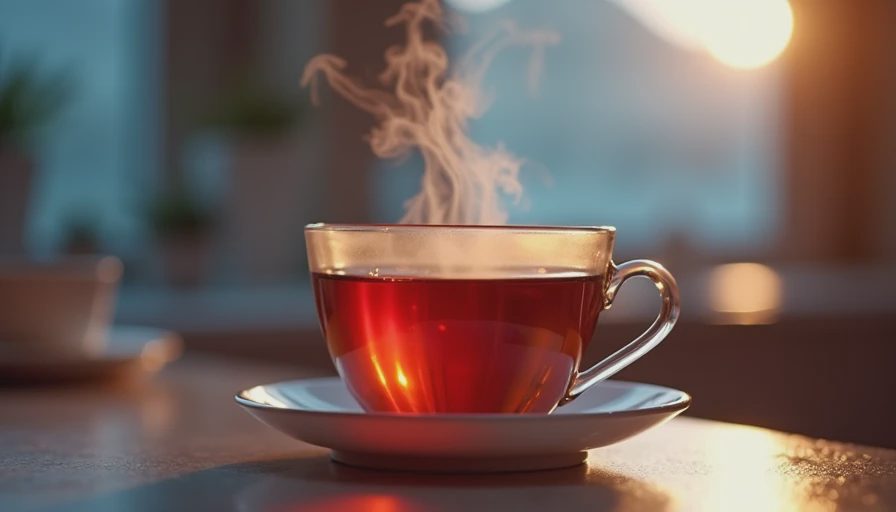
For a practical cup, begin with fresh, cold water and heat it close to a full boil. Use one tea bag or about one level teaspoon of loose leaf per eight ounces of water. Steep black tea for three to five minutes, depending on the blend and your preference. Three minutes often gives a brighter, lighter cup; five minutes produces more body and tannin.
If you plan to add milk, brew the tea slightly stronger rather than simply steeping it until it becomes bitter. A sturdy Assam blend can handle milk particularly well, while a fragrant Earl Grey may taste better with only a small splash. Add sugar if you enjoy it. There is no cultural prize for forcing yourself to drink an unsweetened cup.
Water temperature and vessel shape matter, but not as much as using tea that has been stored well. Keep loose leaf in an airtight container away from heat, light, and strong kitchen odors. A ceramic mug, a stainless steel infuser, or a basic teapot can all produce an excellent result. You can appreciate the ritual without performing expertise.
Choosing Leaves, Bags, and Blends
The best English tea depends on the moment. Tea bags are convenient for a morning commute or a crowded workday, and many provide consistent flavor. Loose leaf offers more room to notice leaf size, aroma, and the effect of steeping time. Neither format is morally superior. A carefully made bag can be more satisfying than stale loose leaf stored in an open tin.
For a rich, malty cup, look for a blend that names Assam or another strong black tea component. For a more aromatic experience, choose Earl Grey and pay attention to the bergamot. English Breakfast blends are useful when you want a dependable daily drink, but compare descriptions from brands such as Twinings, Fortnum and Mason, Harney and Sons, or local specialty sellers rather than assuming every blend tastes alike.
Price is not a perfect guide. A box costing $6 to $12 can be excellent for regular drinking, while a $20 tin may offer more distinctive leaves but not necessarily a better breakfast cup. Buy a small quantity first. Taste the tea plain, then with milk, and record what changes. That simple comparison teaches more than packaging claims.
Milk, Sugar, and the Tea Table
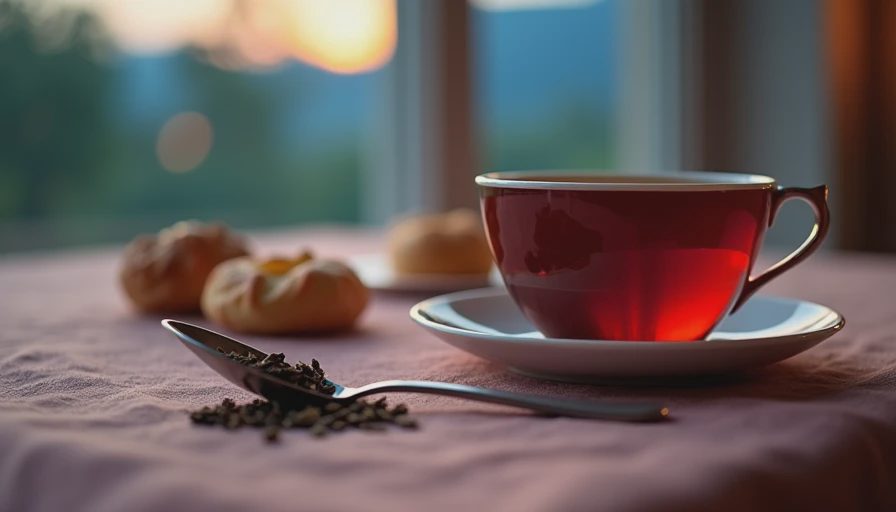
Milk in English tea is practical as well as traditional. It softens bitterness and adds body, especially when the tea is brewed strongly. Dairy milk is common, but oat milk can work well with malty blends. Add a small amount first; too much can cover the tea’s aroma. Sugar similarly changes texture and intensity, so treat it as an ingredient rather than a test of character.
Afternoon tea and high tea are often used interchangeably in the United States, although they describe different historical settings. Afternoon tea traditionally refers to a lighter social meal with tea, bread, cakes, or small savory foods. Historically, high tea was more substantial and associated with an evening meal. The distinction has shifted in popular usage, but knowing it prevents a menu from becoming a bundle of decorative clichés.
At home, you need no silver service. Put out a teapot or kettle, cups, milk, sugar, lemon if appropriate, and a small plate of food. Shortbread, toasted bread, sharp cheddar, cucumber sandwiches, or a slice of fruitcake can all make sense. The point is attention and welcome, not expensive equipment.
Building an Everyday Tea Ritual
A useful English tea ritual can take five minutes. Warm the mug, measure the tea, watch the water, and let the steeping time become a small pause between tasks. If you are serving several people, brew a larger pot and use a timer so the final cups do not become over-extracted. A thermal carafe can help during a book-club meeting, though tea left hot for hours will gradually lose freshness.
For a family routine, keep a caffeine-free option nearby for anyone who wants the ritual without black tea. Herbal infusions are not technically tea because they do not come from the tea plant, but they belong comfortably at a modern tea table. This is one tradition, not the only tradition, and households adapt it constantly.
Every cup has a history. Not every story is true. English tea becomes more rewarding when you separate documented custom from later marketing, choose a blend for its actual flavor, and make room for your own habits. Start with one good black tea, a reliable kettle, and a willingness to taste carefully. From there, the ritual can remain simple while the history behind it continues to unfold.

No comments yet — be the first to share a thought.