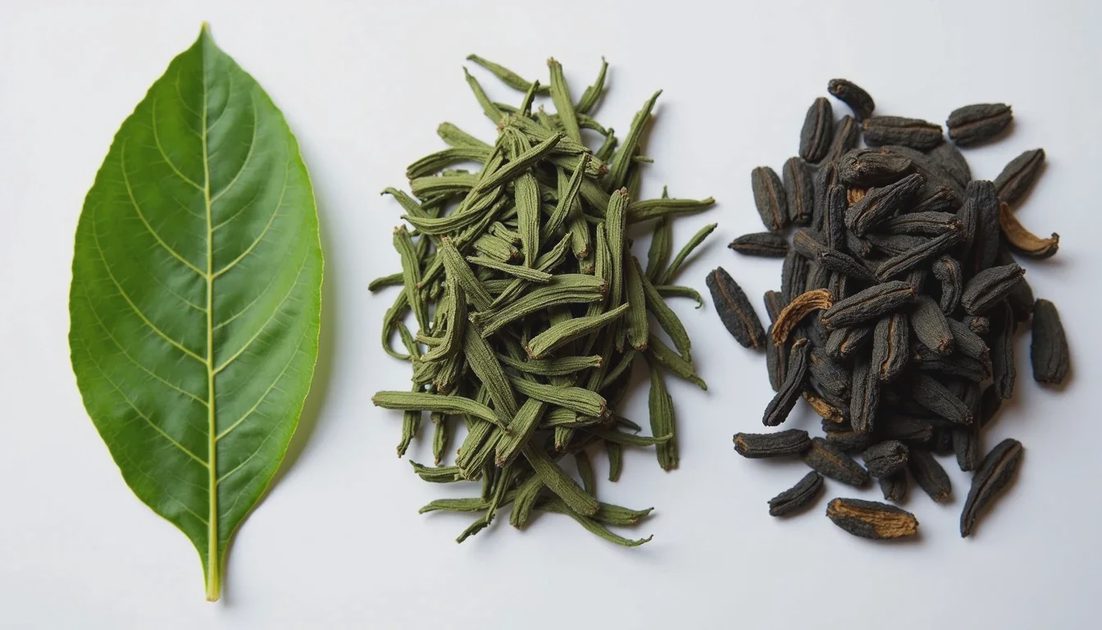
Green tea and black tea are often treated as if they come from different plants. They do not.
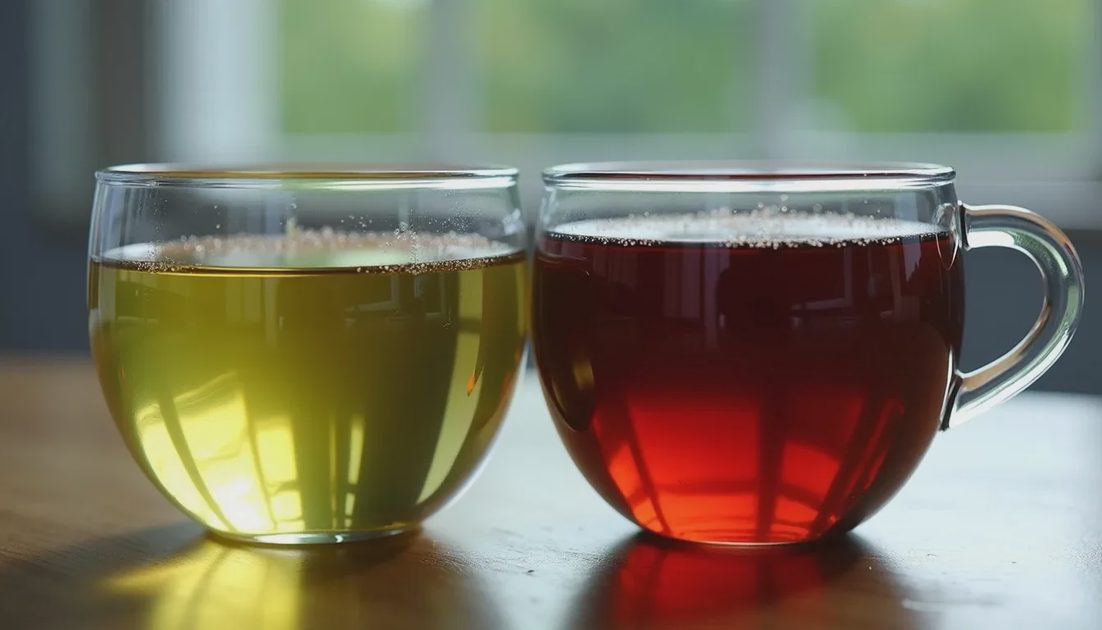
Both begin as leaves of Camellia sinensis. The striking differences in dry-leaf color, liquor color, aroma, and taste are created after the leaf is picked. The central variable is oxidation—the series of chemical reactions that begin when leaf cells are broken and enzymes meet oxygen. How that process is controlled determines whether you end up with a green tea or a black tea.
Understanding the processing difference gives you a practical foundation for choosing, brewing, and tasting both categories more confidently.
The Short Version
Green tea is heated early to stop oxidation, preserving a greener leaf and fresher, more vegetal or marine flavors.
Black tea (called red tea in Chinese classification) is deliberately oxidized before final heating and drying, producing a darker leaf and deeper, maltier, or fruitier flavors.
Everything else—cultivar, growing conditions, leaf grade, and specific technique—builds on that basic fork in the road.
What Oxidation Actually Does
When fresh tea leaves are damaged—by rolling, bruising, or even rough handling—enzymes inside the leaf (notably polyphenol oxidase) begin reacting with polyphenols in the presence of oxygen. The reactions change the chemical profile of the leaf:
Green-colored compounds are altered.
New aromatic compounds form.
The taste shifts away from grassy and toward deeper, sometimes sweeter or more robust notes.
The leaf darkens.
If this process is stopped quickly by heat, the leaf remains closer to its fresh state and is classified as green tea. If the process is allowed to continue for hours under controlled conditions, the leaf becomes what English speakers call black tea.
Green Tea Processing: Stop the Clock Early
The essential step in green tea is the early application of heat. This step is often called “kill-green” or fixation. Methods vary by region:
Chinese greens are frequently pan-fired in large woks.
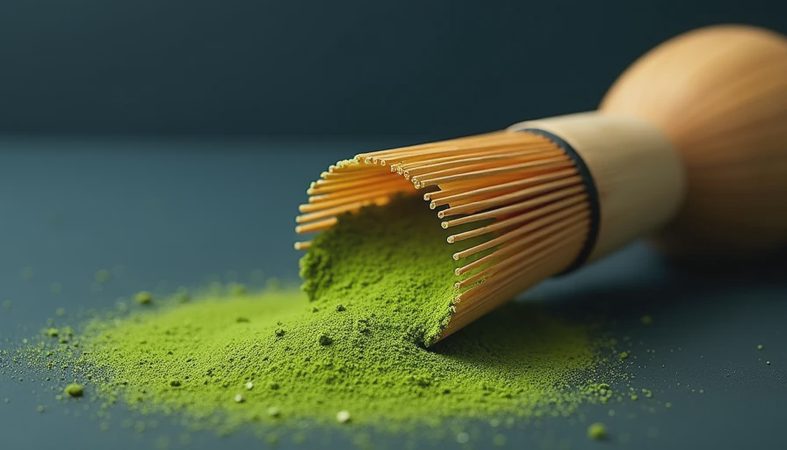
Japanese greens are commonly steamed.
Other techniques (oven heating, hot-air methods) also exist.
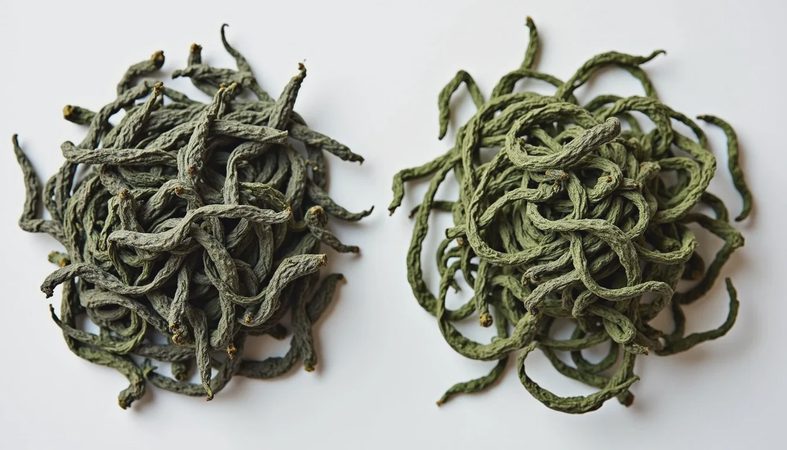
Once the enzymes are deactivated, the leaf can be shaped, dried, and sorted without further significant oxidation. The resulting dry leaf stays green or greenish, and the cup typically shows vegetal, nutty, marine, or sweet-grass notes depending on cultivar and style.
Because oxidation is minimized, green teas are often more sensitive to high water temperatures and long steeping times. Over-extraction easily produces bitterness.
Black Tea Processing: Encourage Full Oxidation
Black tea follows a different sequence. After withering (partial drying to reduce moisture and make the leaf pliable), the leaves are rolled or otherwise disrupted to start oxidation. They are then left in a controlled environment—temperature and humidity managed—for a period that may last several hours. During this time the leaf color changes from green toward coppery brown and finally darker shades.
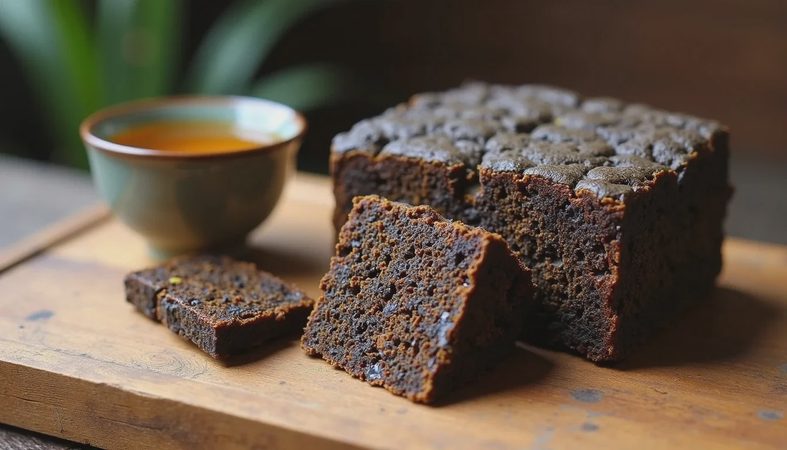
Only after the desired level of oxidation is reached is the leaf heated to stop the reactions and then dried. The finished dry leaf is dark, and the liquor ranges from amber to deep red-brown. Flavors can include malt, caramel, dried fruit, honey, spice, or brighter citrus and muscatel notes depending on origin and technique.
Because the chemistry has already been transformed, many black teas tolerate boiling water and longer infusions better than most green teas.
Why the Same Plant Can Taste So Different
The processing fork explains the broad contrast, but it is not the whole story. Additional variables shape the final cup:
Cultivar and growing conditions influence the starting chemistry of the leaf.
Leaf grade (whole leaf, broken, fannings) affects extraction speed and intensity.
Regional technique creates stylistic families—pan-fired Chinese greens versus steamed Japanese greens, or orthodox versus CTC black teas.
Freshness and storage matter for both categories, though in different ways.
Still, the presence or absence of deliberate oxidation remains the clearest single dividing line between green and black tea.
Practical Implications for Brewing and Buying
Temperature
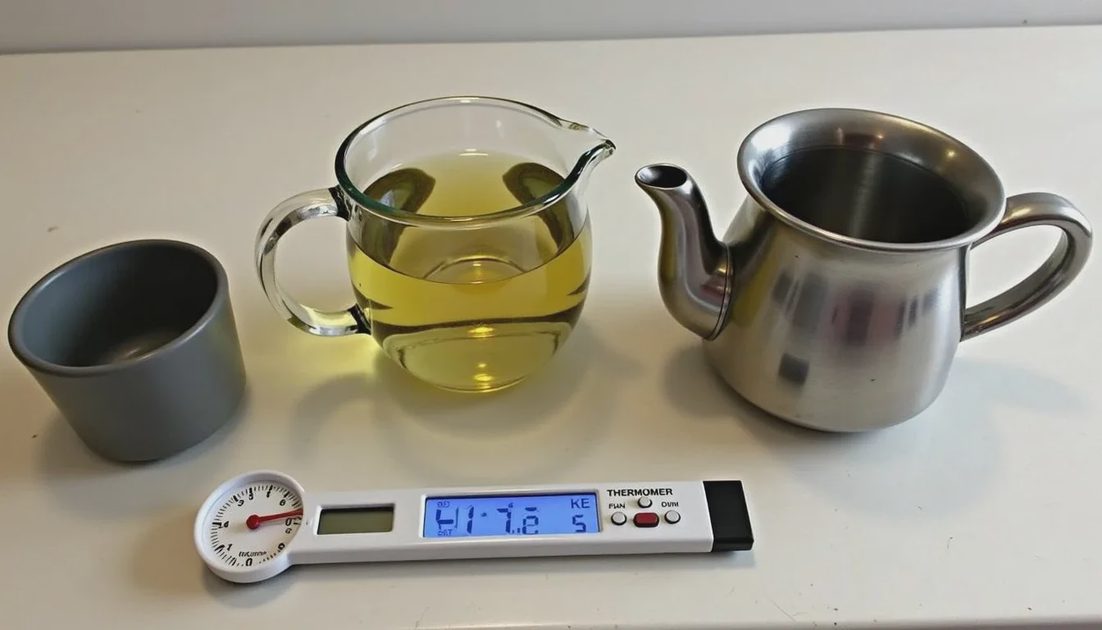
Green teas generally prefer cooler water (often 160–185°F / 70–85°C depending on style). Black teas usually accept near-boiling water.
Steeping time
Green teas often need shorter infusions to avoid bitterness. Black teas can handle longer times and are more forgiving.
Multiple infusions
Many high-quality greens and most oolongs reward multiple short steeps. Some black teas also perform well this way; others are designed for a single stronger infusion.
Storage
Green teas are more fragile and benefit from protection from heat, light, air, and moisture. Black teas are generally sturdier but still decline with poor storage.
When shopping, look past vague labels. A tea called “green” should show minimal oxidation; a tea called “black” should show full oxidation. The dry leaf color and the aroma when you open the package are useful clues.
Common Points of Confusion
“Red tea” versus “black tea”
In Chinese classification the fully oxidized category is hongcha (red tea), named for the liquor color. English adopted “black tea” from the dry-leaf color. They refer to the same broad category.Dark teas and oolongs
These occupy different places on the processing spectrum and are not simply “in-between” green and black in a linear sense. Oolong is partially oxidized; dark teas involve post-fermentation.Health claims
Both green and black teas contain interesting compounds. Sweeping statements that one is universally “healthier” than the other usually oversimplify the research.
Final Thought
Green tea and black tea are two different decisions made after the same leaf is picked. Once you see oxidation as the central variable, the categories stop feeling arbitrary and start feeling logical. That understanding makes every subsequent tasting more informative.
Every cup has a history. Not every story is true. The processing story behind green and black tea is one of the most reliable guides you can carry into a tea shop or a kitchen.

No comments yet — be the first to share a thought.