Learning how to prepare matcha is less complicated than many modern tea videos suggest. You need powdered green tea, hot water, and a way to mix the two thoroughly. A bamboo whisk, called a chasen, is traditional, but a small kitchen whisk or electric frother can work when you are starting out. The goal is not performance. It is a bright, balanced bowl that fits comfortably into your morning.
Matcha differs from ordinary green tea because the finely ground leaf is suspended in water rather than removed after steeping. That gives the drink a fuller texture and a more concentrated flavor. Good technique reduces clumps and harshness, while a few moments of preparation turn a quick beverage into a satisfying daily ritual.
What you need before you begin
For one serving, measure about 1 to 2 grams of matcha, usually 1 level teaspoon or 2 small scoops from a bamboo chashaku. Use 2 to 3 ounces of water for a traditional, concentrated bowl, or 4 to 6 ounces for a gentler everyday cup. A wide bowl gives your whisk room to move. A fine-mesh sifter is also useful because matcha naturally forms small lumps during storage.
Water temperature matters more than expensive equipment. Bring fresh water to a boil, then let it cool for several minutes until it reaches roughly 160 to 175 degrees Fahrenheit. Boiling water can flatten the tea's aroma and emphasize bitterness. If you do not own a thermometer, pour boiling water into a cool cup first, wait about two minutes, and then use it. The exact temperature is less important than avoiding aggressively boiling water.
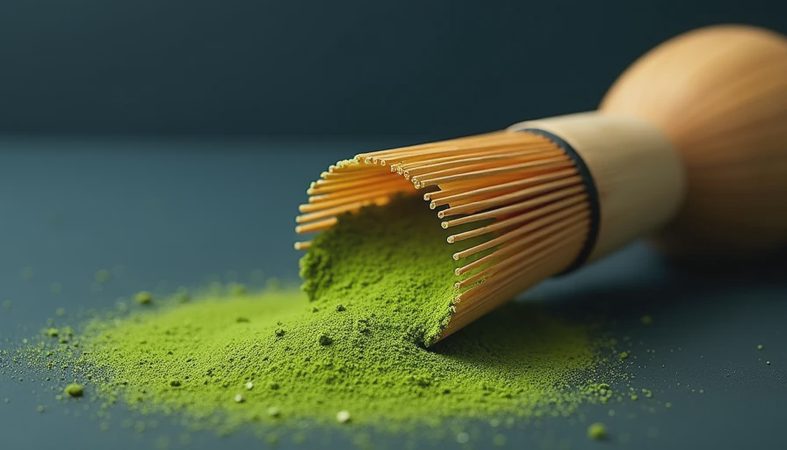
Before making how to prepare matcha part of your routine, examine the powder. Fresh matcha is usually vivid green, fragrant, and finely milled. Dull olive color, a stale haylike smell, or a hard, dry texture can signal old tea. That does not make it unusable; it simply may taste better in a latte, smoothie, or baked recipe than in a plain bowl.
How to prepare matcha step by step
Warm the bowl first by filling it with hot water, swirling briefly, and drying it completely. This small step keeps the water from losing heat too quickly and makes the bowl pleasant to hold. Sift the matcha directly into the dry bowl. Press the powder through the mesh with a spoon or the back of your chashaku rather than shaking it forcefully.
Add a small amount of cooled water, perhaps 1 ounce, and use the whisk to make a smooth paste. Work gently at first, pressing through any visible dry patches. This stage is the easiest way to prevent clumps. Once the paste looks even, add the remaining water.
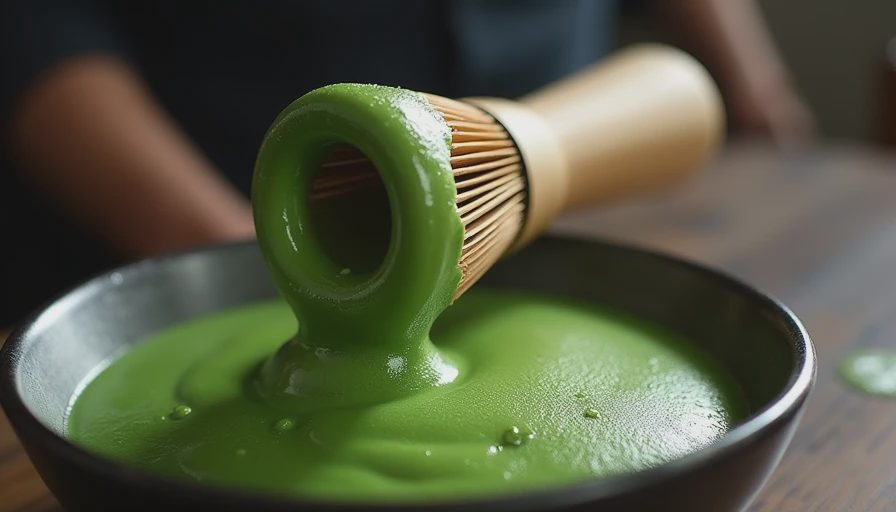
Hold the bowl steady with one hand and whisk with the other. Move the chasen quickly in a loose W or M pattern, keeping the whisk near the surface instead of grinding it against the bottom. Continue for 15 to 20 seconds, until a fine layer of foam appears. The foam is pleasant, but it is not a test of cultural knowledge or personal worth. A delicious bowl can have little foam.
If you are using a handheld frother, keep the head below the surface to avoid splashing. It creates a dense, uniform texture quickly, though it does not provide the same feel as a bamboo whisk. A regular small whisk can also succeed if you sift the powder first and mix the paste carefully.
Choosing a style that suits your morning
The Japanese tea tradition most often associated with whisked matcha includes several settings and levels of formality. Usucha, or thin tea, is the lighter, more common style for everyday preparation. Koicha, or thick tea, uses considerably more powder and less water, producing a dense paste-like drink. Koicha belongs to a more formal context and is not the best starting point for someone learning how to prepare matcha before work.
There is no need to imitate a formal tea gathering in an American kitchen. A cereal bowl, a teaspoon, and a pause between emails can create a meaningful modern practice. The historical record is less tidy than the popular story that every bowl follows one timeless recipe. Tools, proportions, and settings have changed across periods and households. This is one tradition, not the only tradition.
For a pleasant weekday version, try 1 teaspoon of matcha with 4 ounces of water at about 165 degrees Fahrenheit. For a softer drink, add warmed milk after whisking. Oat milk brings sweetness and body, while dairy milk rounds off sharp notes. Add maple syrup only after tasting the tea; too much sweetness can hide the powder's grassy aroma.

Common mistakes and easy fixes
Bitterness usually comes from water that is too hot, too much powder, or a tea that has lost freshness. Start with a smaller serving and cooler water rather than immediately adding sugar. Thin, watery matcha often needs more powder or less water. Clumps usually point to skipped sifting or an incomplete paste-making stage.
A bamboo whisk can develop a split tine if it is scrubbed, twisted, or left standing wet. Rinse it under warm water, shake off excess moisture, and place it on a whisk holder if you have one. Do not use soap on the whisk unless the manufacturer specifically recommends it. Rinse and dry the bowl after each use, and keep the powder sealed away from heat, light, moisture, and strong pantry odors.
Storage is part of flavor. Once opened, matcha is best enjoyed while its aroma is lively rather than saved indefinitely for a special occasion. A small airtight tin is more practical than a large bag if you drink tea only occasionally. Refrigeration can help some products stay fresh, but condensation is a risk, so let a sealed container reach room temperature before opening it.
How to prepare matcha as a daily ritual
The best way to make this practice last is to remove unnecessary friction. Keep the bowl, whisk, sifter, and tea together on a tray. Fill the kettle while breakfast is warming. Measure the powder before opening your laptop. These small arrangements transform preparation from a project into a sequence your hands remember.
You can also compare two batches to learn your palate. Use the same powder and amount, but prepare one bowl with 160-degree water and another with 175-degree water. Notice the difference in sweetness, aroma, bitterness, and texture. Then repeat the comparison with 2 ounces and 4 ounces of water. This kind of tasting teaches more than memorizing claims about quality.
When buying matcha, look for clear information about origin, harvest or milling details when available, packaging date, and storage instructions. A very expensive tin is not automatically the right choice. A reputable tea shop that explains its products plainly is often more useful than a glossy label filled with vague promises. If you are still experimenting, a modest 20-gram package lets you assess freshness without committing to a large supply.
A calm conclusion for beginners
Once you understand how to prepare matcha, the process becomes pleasantly repeatable: sift the powder, add cool hot water, make a paste, whisk briskly, and drink soon after mixing. You do not need a perfect foam, ceremonial clothing, or a shelf of specialized objects. Respect for the tradition begins with attention, not imitation.
Every cup has a history. Not every story is true. Matcha has moved through formal tea settings, household routines, commercial production, and contemporary cafes, and each setting has shaped how people use it. Start with sound technique, learn where the practice comes from, and adapt it thoughtfully to your own day. The result can be both historically aware and entirely at home in your kitchen.

No comments yet — be the first to share a thought.