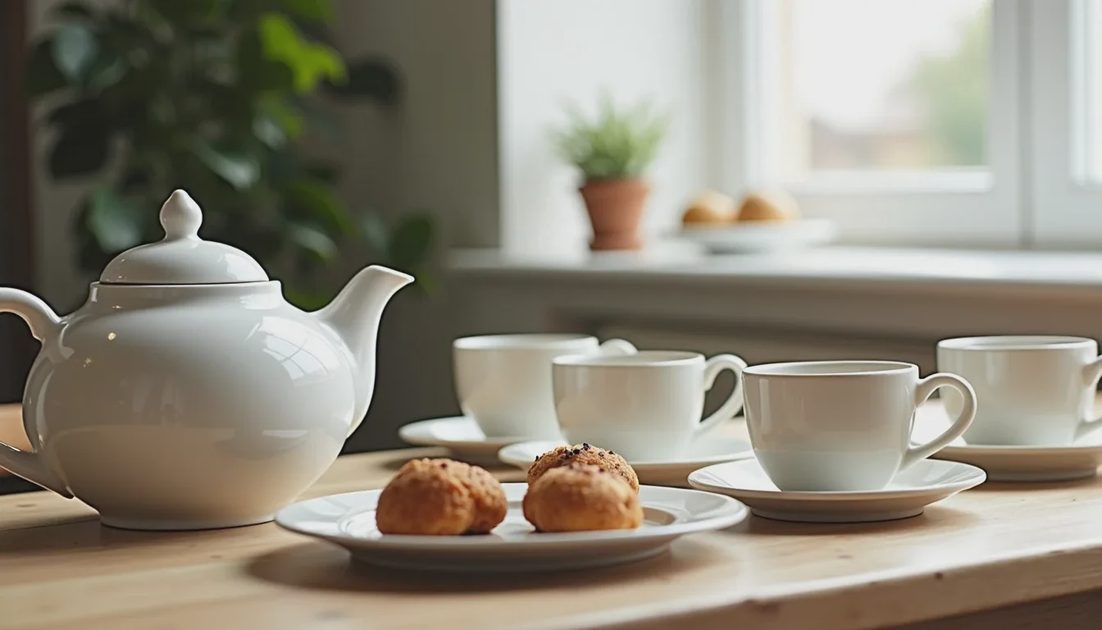
The phrase “tea gathering” can trigger unnecessary pressure. Images of formal service, matching china, and precise etiquette make many people decide the whole idea is too complicated for a regular weekend.
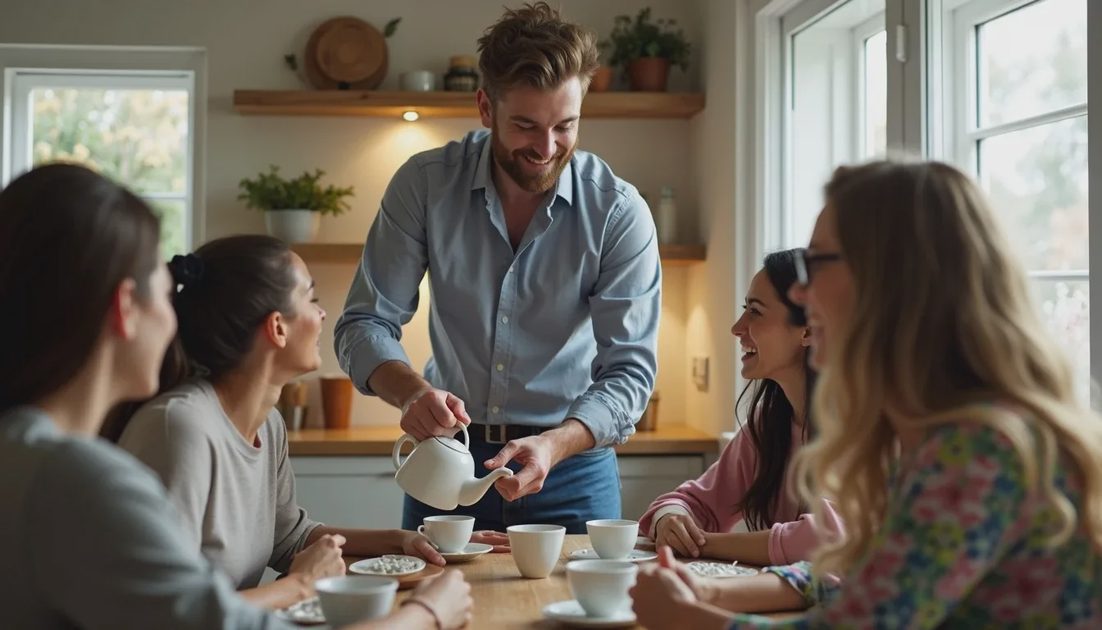
It does not have to be. A relaxed tea gathering is simply an intentional pause shared with other people over tea. The version described here prioritizes comfort, conversation, and decent tea over performance. You can scale it up or down depending on the number of guests and the energy you have.
The Short Version
Choose one or two teas you already know how to brew well, prepare a few simple accompanying foods, set a clear but flexible time window, and treat hospitality as attention rather than perfection. Guests remember how they felt more than whether every detail matched a magazine photo.
Decide the Scale Before You Begin
Three useful scales:
Two to four people: Kitchen table or living-room low table. One teapot or a couple of infusers is enough.
Five to eight people: Still manageable with two vessels or a larger pot, plus a simple self-serve option for refills.
Larger groups: Consider a short guided tasting of two teas followed by a more casual self-serve setup so you are not stuck brewing continuously.
Matching the scale to your actual capacity is the first act of good hosting.
Choosing the Tea
Select teas you can brew confidently under mild distraction. This is not the moment to debut a rare leaf that needs perfect timing.
Good options for mixed groups:
A reliable black tea that works with or without milk
A friendly green or light oolong for those who prefer lighter cups
One slightly more unusual choice (a ripe pu-erh or a scented tea) if you want a conversation point
Brew smaller amounts more often rather than a large volume that sits and turns bitter. Fresh pots taste better and give you natural moments to check on guests.
Food That Supports the Tea
You do not need a three-tier stand. Aim for a few items that are easy to eat while holding a cup:
Small sandwiches or savory bites
Scones, plain cake, or simple cookies
Fresh fruit or something lightly sweet
A nut or cheese option if you like
Consider the teas you are pouring. Delicate greens pair better with lighter flavors; stronger black teas can stand up to richer or sweeter foods. Keep portions modest so the table does not become a full meal unless you intend it to.
Timing and Flow
A relaxed gathering usually works best in a 1.5- to 2.5-hour window. Late morning or mid-afternoon suits most people. State the time clearly so guests know whether they are dropping in or settling for a longer visit.
A simple flow:
Guests arrive and settle.
First pot is poured and introduced briefly.
Food is available throughout.
Second tea appears later if energy remains.
The gathering ends without abruptness—people leave when conversation naturally winds down.
You are allowed to say, “I’m going to put on one more pot; after that I need to shift to evening mode.” Clear edges help everyone.
Equipment Without Excess
You need far less than most aspirational photos suggest:
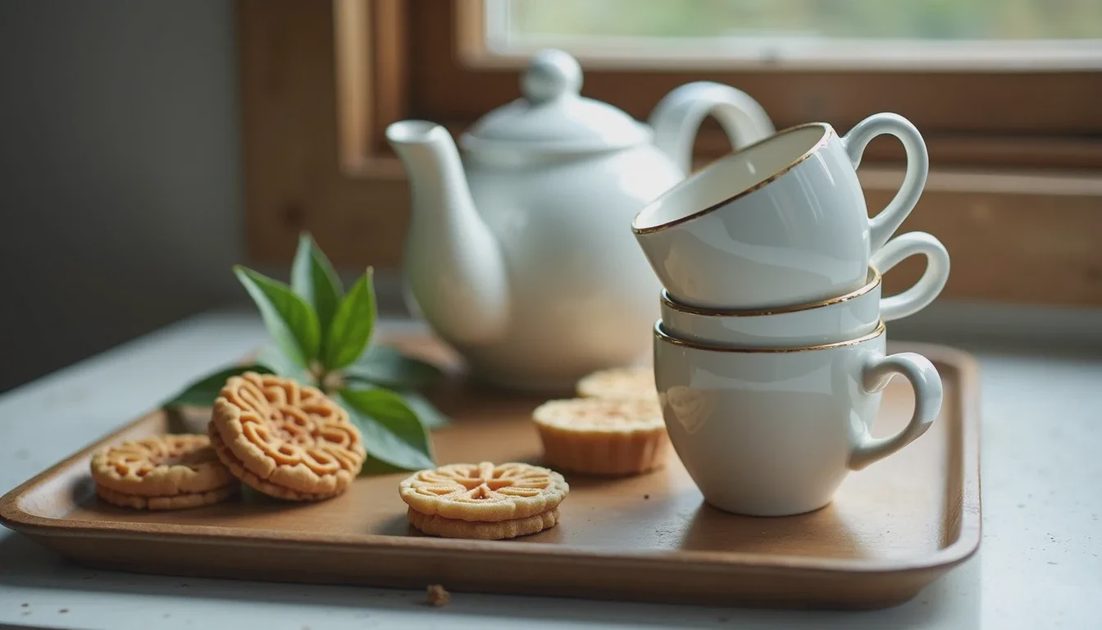
One or two teapots or large infusers
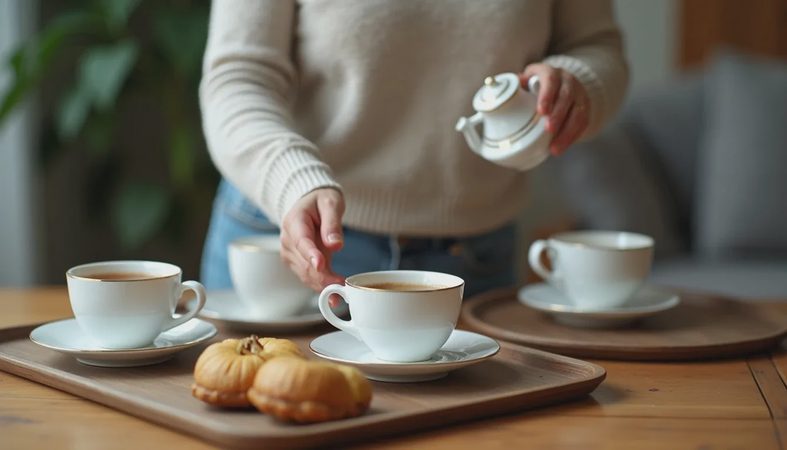
Enough cups (they do not have to match)
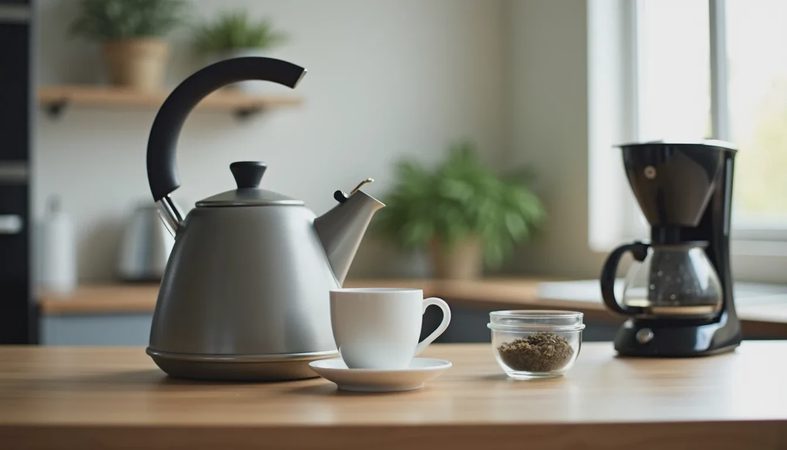
Hot water source you can refill
Small plates or napkins
Optional: a tray for moving things cleanly
If you own a gaiwan and want to use it for a short demonstration, do so. If not, a ordinary teapot is perfectly adequate. Guests care more about the welcome than the pedigree of the vessel.
Etiquette That Actually Helps
The most useful etiquette is ordinary consideration:
Tell people if a tea is best without milk or sugar so they can decide.
Offer options rather than correcting preferences.
Keep the conversation open; not every gathering needs a lecture on origin stories.
Accept help if it is offered and you want it; decline calmly if you do not.
You do not need to narrate every cultural detail unless guests ask. Hospitality is attention to the people present, not a performance of expertise.
Handling Different Comfort Levels
Some guests will be tea enthusiasts. Others will be coffee drinkers being polite. A short, low-pressure introduction to the tea (“This is a lightly oxidized oolong from Taiwan; it’s floral and doesn’t need milk”) is enough. Let people engage at their own depth.
If someone prefers a tea bag you keep for convenience, that is fine. The point of the gathering is shared time, not conversion.
Final Thought
A successful home tea gathering is measured by whether people felt welcome and whether the tea was given enough care to taste like itself. Everything else is secondary. Start smaller than you think you should, use what you already own, and let conversation do most of the work.
Every cup has a history. Not every story is true. The story of a relaxed table where people actually enjoy one another is one of the true ones worth repeating.
No comments yet — be the first to share a thought.