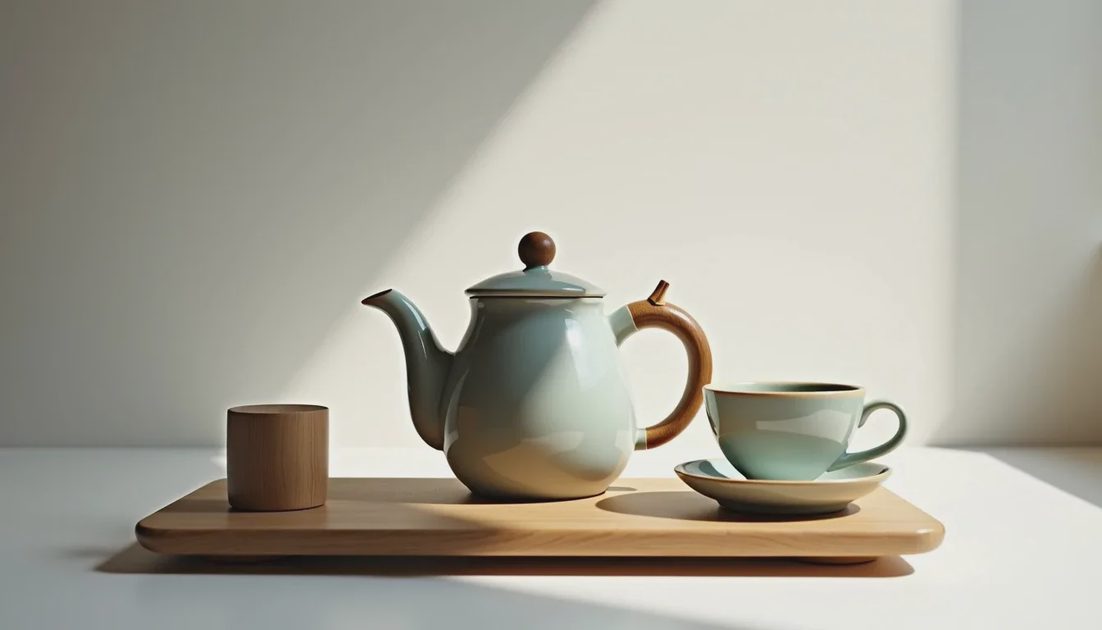
Tea equipment multiplies quietly. A second pot, a third type of cup, a scale, a thermometer, a special tray, a dedicated kettle—each purchase feels reasonable in isolation. Together they can fill shelves and still leave the daily cup no better than it was with a simpler kit.
A useful setup is defined by what you actually use, not by what a catalog suggests is complete. The goal of this guide is to help you build a small, coherent set of tools that covers real brewing needs without excess.
The Short Version
Start with five core elements: a reliable way to heat water, one primary brewing vessel, a way to separate leaf from liquor, a comfortable cup, and decent storage for the tea itself. Add further tools only when a specific, repeated need appears. Most daily tea drinking can be handled excellently within that modest framework.
The Essential Five
1. Hot water source
An electric kettle with temperature control is convenient but not mandatory. A basic kettle and a short wait off the boil serve most beginners well. Consistency of temperature matters more than owning the most advanced device.
2. Primary brewing vessel
Choose one according to your habits: an infuser basket for mug brewing, a small teapot for sharing or larger servings, or a gaiwan if you want control for multiple infusions. One well-chosen vessel is more valuable than three that sit idle.
3. Leaf-to-liquor separation
This may be built into the vessel (basket, built-in strainer) or provided by a separate small strainer. The goal is simply to keep leaf out of the cup when you want it out.
4. Cup or cups you enjoy drinking from
Comfort against the hand and lip matters more than matching sets. One or two cups that feel good will be used; a display shelf of unused china will not improve the tea.
5. Storage that protects the leaf
Opaque, airtight containers kept away from heat, light, and strong odors preserve freshness better than original paper bags left open on the counter. This is one of the highest-leverage, lowest-cost improvements most beginners can make.
What You Can Safely Delay
Several items are useful later but rarely necessary at the beginning:
Precision scale (helpful for consistency, not required for enjoyable tea)
Multiple dedicated pots for different tea types
Specialized fair cups or sharing pitchers
Expensive trays and tea towels
Thermometers beyond what your kettle already provides
Large collections of cups in different shapes
Buy these when a repeated frustration points to them, not because a list of “essentials” included them.
Building in Stages
Stage 1 – Functional minimum
Kettle + infuser or simple pot + one cup + basic storage. This stage alone can produce excellent daily tea.
Stage 2 – Improved control
Add a second vessel suited to a different style (for example, a gaiwan if you started with a teapot), or better storage, or a more comfortable cup.
Stage 3 – Refinement
Only after the first two stages feel stable should specialized tools enter. By then you will know which teas you actually drink and which processes you want to refine.
This staged approach prevents the common pattern of buying a complete “set” that includes items you never learn to use.
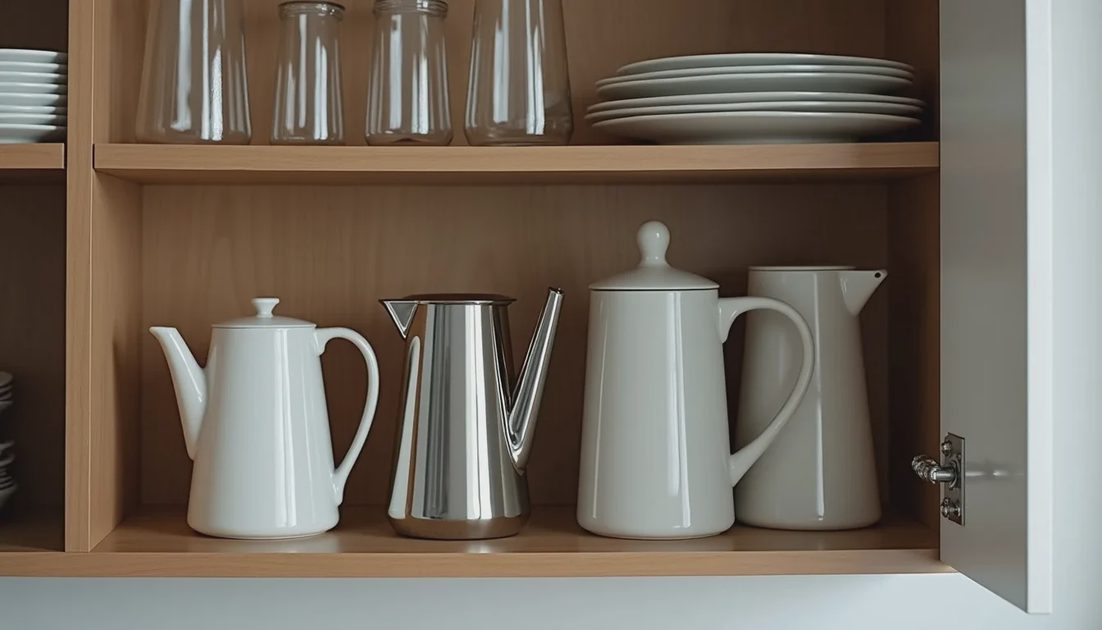
Matching Tools to the Teas You Drink
Your tea preferences should drive the setup:
Mostly black tea in a mug → good infuser basket or simple pot, sturdy cup, straightforward storage
Interest in oolong and multiple infusions → gaiwan or small teapot becomes high value
Frequent green tea → vessel that allows lower-temperature control and easy cleaning
Occasional sharing → a teapot sized for two or three cups earns its place
When the tool matches the dominant habit, it gets used. When the tool is chosen for an imagined future habit, it often remains decorative.
Budget and Quality
Spend enough to avoid constant annoyance (dripping spouts, lids that fall in, mesh that rusts, cups that burn your fingers). You do not need to spend luxury sums. A mid-range porcelain gaiwan or teapot, a solid stainless basket, and a few pleasant cups will outlast and outperform a large collection of poorly made novelty items.
Second-hand and simple restaurant-supply vessels can be excellent sources of functional quality without prestige pricing.
The Clutter Test
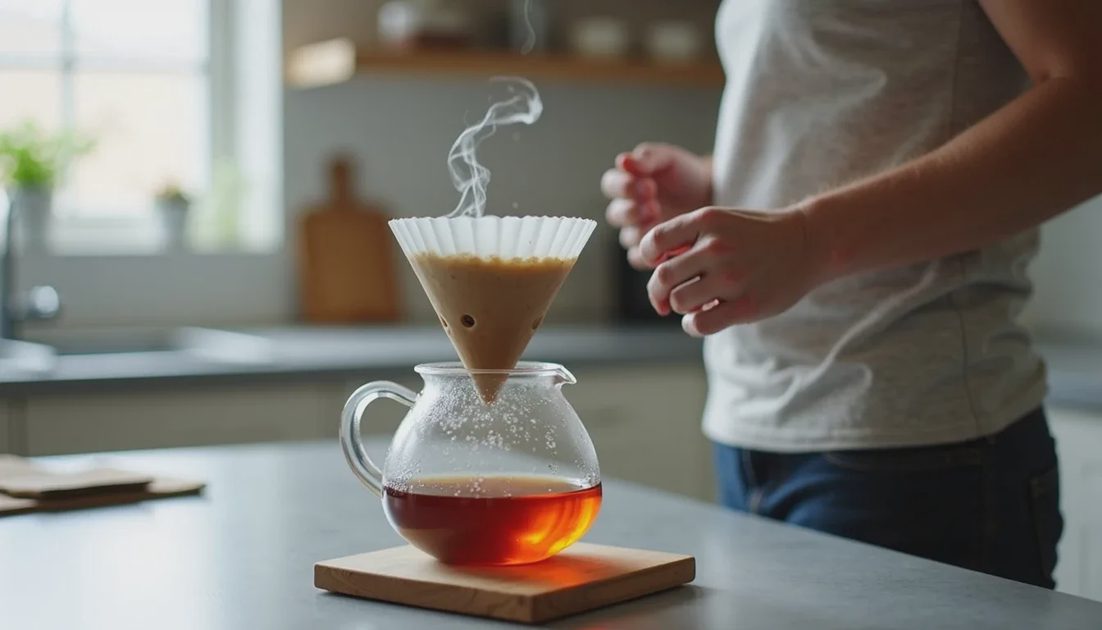
Every few months, notice which tools you actually reach for. If an item has not been used in a meaningful period and is not serving a clear backup role, it is a candidate for removal or storage elsewhere. A useful setup stays visible and ready; a cluttered setup hides the tools you need under the ones you do not.
Final Thought
A good tea setup is defined by repeated use, not by completeness. Five well-chosen elements cover most needs. Further tools should earn their place by solving a real, recurring problem. When the equipment stays simple, attention remains on the leaf, the water, and the cup in your hands.
Every cup has a history. Not every story is true. The story that you must own a large arsenal of gear before you can drink tea well is one of the less useful stories on offer.
No comments yet — be the first to share a thought.