If you are wondering how to make matcha, the short version is simple: sift powdered green tea into a bowl, add hot water, and whisk until the surface becomes lightly foamy. The details matter, but you do not need a ceremonial room, expensive equipment, or years of practice to make a satisfying cup. A few modest tools and an understanding of temperature will take you a long way.
Matcha is unusual among teas because you consume the finely ground leaf rather than steeping leaves and discarding them. That gives the drink its vivid color, thick texture, and concentrated vegetal flavor. It also means that freshness, storage, and water quality have a noticeable effect on the finished cup.
What you need before you begin
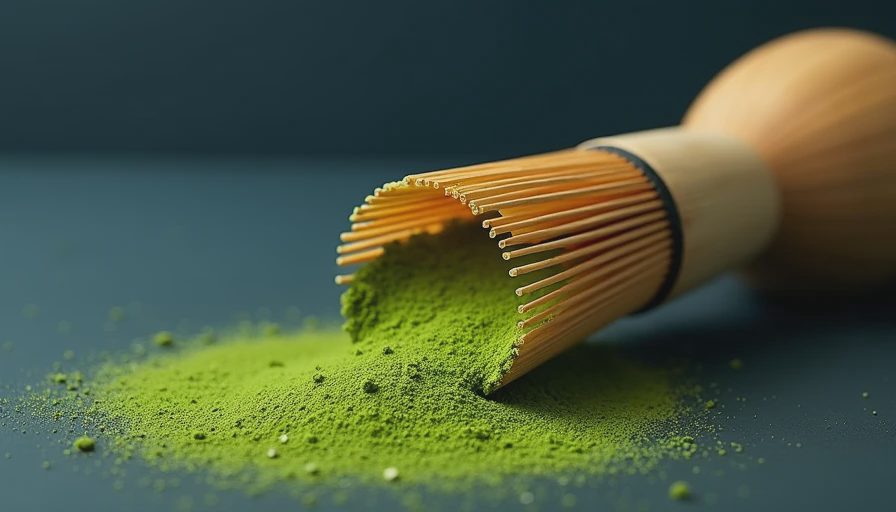
For one serving, gather 1 to 2 grams of matcha, about 2 ounces of water, a small bowl, and a bamboo whisk called a chasen. A fine-mesh strainer is highly useful because matcha clumps easily. You can use a dedicated matcha bowl, or a small cereal bowl with enough room for the whisk to move freely. A kitchen scale is helpful, though half a teaspoon is a reasonable starting measure for many powders.
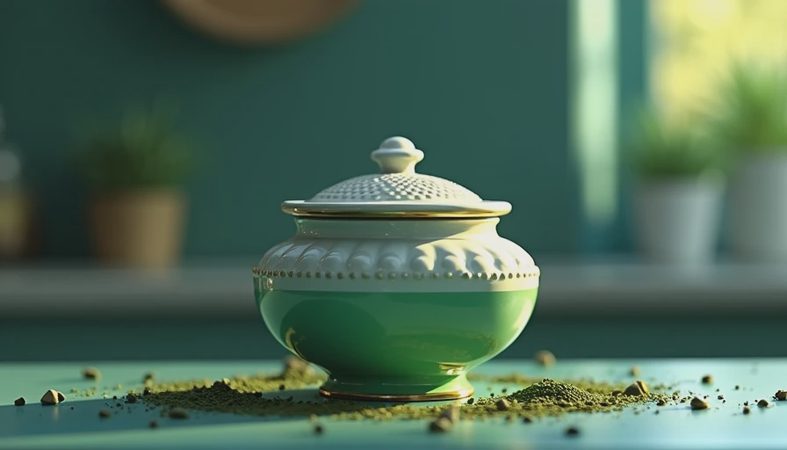
Choose powder that is bright green rather than dull olive, and store it sealed away from heat, light, and strong pantry smells. Once opened, a small container is easier to keep fresh than a large pouch that sits for months. Culinary-grade matcha has its place in cookies, cakes, and smoothies, but a drinking matcha usually has a finer texture and a more balanced flavor.
Water should be hot but not boiling. Around 160 to 175 degrees Fahrenheit is a useful range for a smooth bowl. If you do not have a thermometer, let freshly boiled water rest for several minutes before pouring it over the powder. Very hot water can emphasize bitterness and flatten the more delicate aromas.
How to make matcha, step by step
Begin by warming the bowl with a little hot water, then empty it and dry the interior. This small step takes the chill off the ceramic and makes whisking more comfortable. Place the strainer over the bowl, add the matcha, and push it through with a spoon. Sifting is not decorative; it breaks apart stubborn lumps before they become floating green beads in your drink.
Add about 2 ounces of hot water and gently stir the powder with the whisk until it is fully moistened. Then whisk briskly in a back-and-forth motion, forming a loose W or M shape rather than grinding the whisk into the bottom of the bowl. Keep your wrist relaxed and let the bamboo tines do the work. After 15 to 20 seconds, a fine layer of foam should appear across much of the surface.
Lift the whisk slowly, take a sip, and notice the balance. A good bowl can taste grassy, sweet, nutty, or pleasantly savory. It should not taste like lawn clippings, although a fresh vegetal character is part of matcha's identity. If the drink is too thick, add a little more water. If it is weak, use slightly more powder next time rather than whisking longer.
How to make matcha without a bamboo whisk
A chasen is the traditional tool for whisking matcha, and its many thin tines create a particularly fine foam. Still, beginners can make a good drink with a handheld electric frother, a small cocktail shaker, or a tightly sealed jar. For a frother, mix the powder and water in a tall cup and keep the whisk head below the surface to avoid splashing. For a jar, use warm rather than very hot water, close the lid firmly, and shake carefully.
These substitutes change the texture, but they do not make the drink illegitimate. Tea practices have always adapted to household tools, available fuel, and local routines. The important practical goals are dissolving the powder, avoiding large clumps, and finding a flavor you enjoy. You can appreciate the Japanese history of whisked tea without pretending that every home preparation must reproduce a formal tea gathering.
The historical record is less tidy than the popular story. Powdered tea has roots in earlier tea cultures in China, while Japan developed distinctive forms of cultivation, preparation, and tea practice over centuries. Today, matcha appears in both formal chanoyu settings and ordinary kitchens, cafés, bakeries, and convenience stores. One tradition is not the only tradition.

How to make matcha into a latte
For a latte, prepare a concentrated base with 1 to 2 grams of sifted matcha and 1 ounce of hot water. Whisk until smooth, then add 6 to 8 ounces of steamed milk or a warmed plant-based alternative. Oat milk tends to bring body and sweetness, while dairy milk provides a familiar creamy finish. Add maple syrup, honey, or simple syrup only after tasting; a good powder may need less sweetener than expected.
Do not pour boiling milk directly over the matcha. Excess heat can make the flavor harsh, and a latte does not need to be scalding to be comforting. For an iced version, dissolve the powder in a small amount of warm water first, then pour it over ice and cold milk. This prevents the dry powder from collecting at the bottom of the glass.
Common mistakes and easy fixes
The most common problem is clumping. Sift the powder and wet it with a small amount of water before adding the rest. Bitterness usually comes from water that is too hot, too much powder, or an older product. Lower the temperature, reduce the dose, or open a fresher package. A thin, flavorless cup often needs more matcha or less water.
Another mistake is storing matcha beside coffee, spices, or a sunny window. Powdered tea absorbs surrounding aromas and loses its freshness faster than an unopened package of whole-leaf tea. Keep it airtight in a cool, dark cupboard. Refrigeration can work, but condensation becomes a problem if the container is opened while cold, so let it reach room temperature before removing the lid.
Clean the whisk after every use by rinsing it gently with warm water and placing it upright to dry. Do not use soap on the bamboo tines. A ceramic bowl can be washed normally, and a frother should be cleaned according to its instructions. These small habits preserve both the tools and the flavor.
A practical daily ritual
If you want to make matcha on busy mornings, arrange the tools together on a tray and portion the powder in advance for only a day or two. Heat the water while you prepare breakfast, sift directly into the bowl, and whisk before the drink has time to cool. The process can take less than five minutes, yet it creates a clear pause between waking and rushing into the day.
You can also make matcha part of a slower weekend ritual. Use a favorite bowl, listen for the soft whisk against ceramic, and serve a small sweet such as a plain cookie or piece of dark chocolate. There is no need to perform expertise. The object is attention: noticing temperature, texture, aroma, and the material history carried by a simple tea bowl.
Learning how to make matcha is less about memorizing a perfect formula than building a reliable relationship with the ingredients. Start with good powder, moderate heat, thorough sifting, and a relaxed whisk. After a few bowls, you will know whether you prefer a lighter usucha-style preparation, a richer latte, or an iced version for summer. Every cup has a history, but your everyday method can still become your own.


No comments yet — be the first to share a thought.