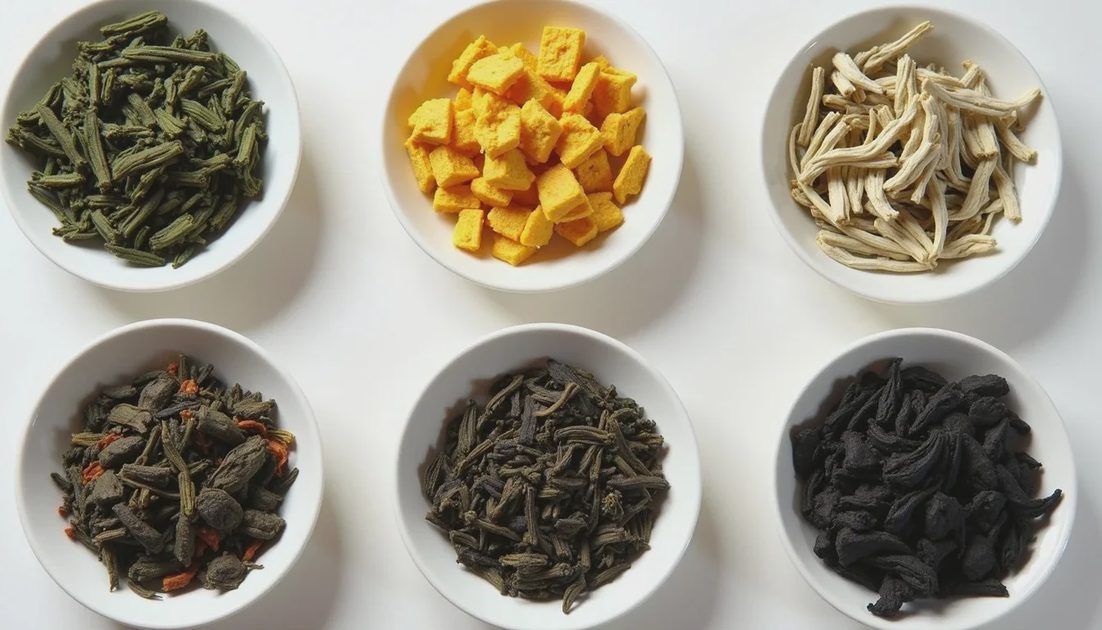
Walk into a well-stocked tea shop and the shelves can feel overwhelming. Names pile up: sencha, longjing, bai mudan, tieguanyin, darjeeling, shou pu-erh, and dozens more. Beneath the variety lies a simpler structure.
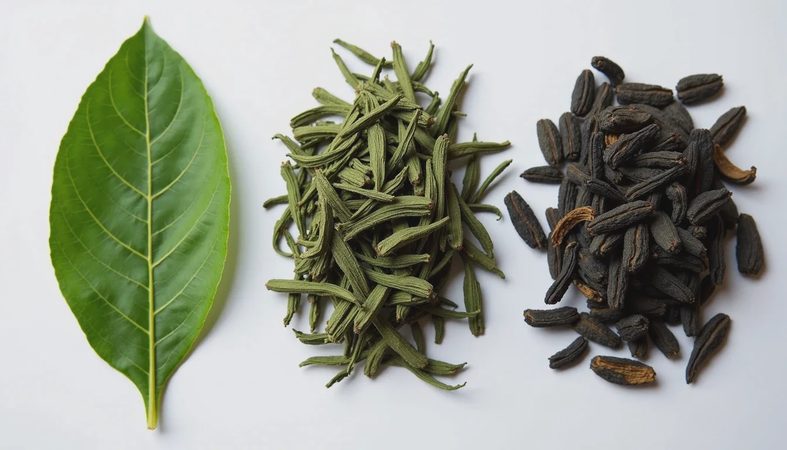
Almost all true tea comes from one species, Camellia sinensis (with two main varieties and many cultivars). What creates the major categories is not different plants but different processing choices—especially the degree of oxidation and the steps that control it.
Understanding those categories gives you a map. Once you have the map, individual teas become easier to place and to choose.
The Short Version
The six widely recognized categories of true tea are:
Green
Yellow
White
Oolong (wulong)
Black (called red tea in Chinese)
Dark (including pu-erh and other post-fermented teas)
They differ primarily in how the leaf is processed after picking. Herbal infusions (rooibos, chamomile, mint, etc.) are not true teas; they come from other plants.
1. Green Tea
Green tea is heated early to prevent significant oxidation. The heat (pan-firing, steaming, or other methods) deactivates the enzymes that would otherwise turn the leaf darker. The result is a leaf that stays green and a liquor that is usually light, vegetal, grassy, marine, or nutty depending on origin and style.
Major producing regions include China and Japan, with distinct stylistic families. Chinese greens are often pan-fired; many Japanese greens are steamed. Flavor ranges from delicate and sweet to boldly savory.
Beginner tip: Start with a classic Chinese green such as dragon well (longjing) or a straightforward Japanese sencha. Watch water temperature—too hot and the cup turns bitter.
2. Yellow Tea
Yellow tea is produced in small quantities, mainly in China. After an initial heating, the leaf undergoes a unique smothering or “wrapping” step that allows gentle yellowing. The process is time-consuming and the category is relatively rare outside specialist shops.
The flavor is often described as milder and less grassy than many green teas, with a soft sweetness. Because production is limited, yellow tea is more often a curiosity for intermediate drinkers than a daily staple for beginners.
3. White Tea
White tea is the least processed of the common categories. Young leaves and buds are typically withered and dried with minimal shaping or heating. Oxidation occurs slowly and naturally during withering rather than being deliberately encouraged or prevented.
Classic Chinese white teas include silver needle (buds only) and white peony (buds and leaves). The cup is usually pale, delicate, and subtly sweet or floral. Because processing is minimal, leaf quality and careful handling matter a great deal.
Beginner tip: White tea is forgiving on temperature and easy to drink. It is a gentle entry point if you find many green teas too assertive.
4. Oolong (Wulong) Tea
Oolong occupies the broad middle zone of oxidation—more than green tea, less than black tea. Leaves are withered, bruised or rolled to start oxidation, then heated to stop it at the desired point. The range is wide: lightly oxidized oolongs can taste close to green tea; heavily oxidized ones approach black tea.
Famous families include Anxi tieguanyin, Wuyi rock oolongs, Taiwanese high-mountain oolongs, and Phoenix dancong. Aroma and flavor can be floral, creamy, toasty, mineral, or fruity depending on style and roast.
Beginner tip: Oolong rewards multiple short infusions. A gaiwan or small teapot makes the progression of flavors easier to notice.
5. Black Tea
In Chinese classification this category is called red tea (hongcha) because of the color of the liquor. In Western usage it is black tea, referring to the dark dry leaf. Full oxidation is encouraged before the leaf is heated and dried.
Black teas range from the bright, muscatel notes of some Darjeelings to the malty strength of Assam, the caramel warmth of many Chinese hongcha, and the robust blends created for breakfast cups with milk. Processing methods and regional terroir create wide variation.
Beginner tip: If you already drink tea with milk, a classic breakfast-style black tea is the most familiar starting point. For pure leaf appreciation, try a high-quality Chinese or single-origin black without milk first.
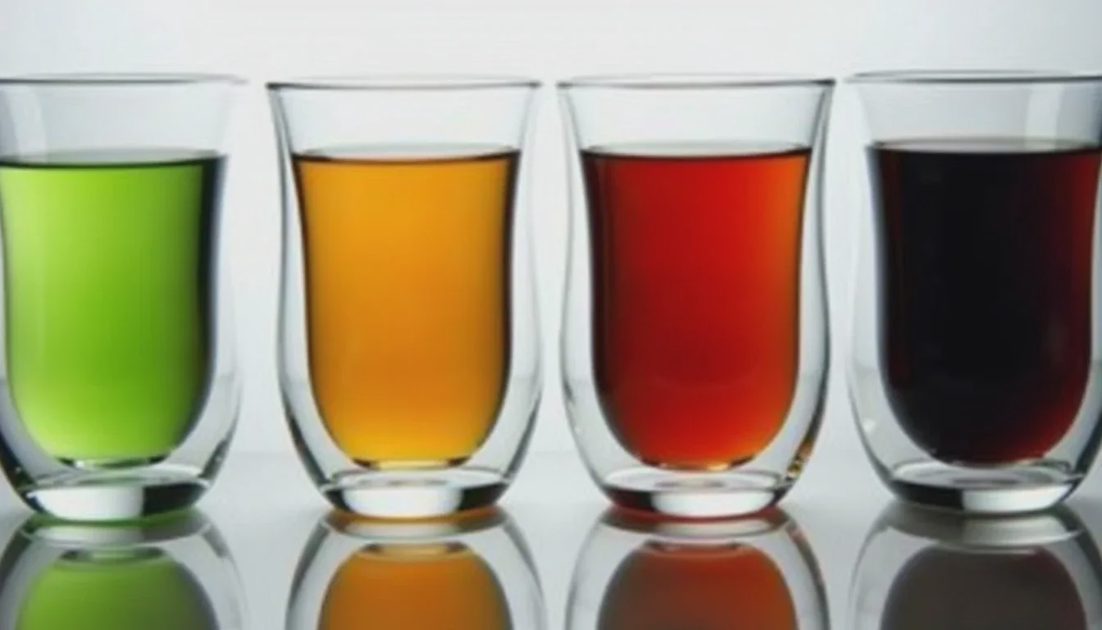
6. Dark Tea (Including Pu-erh)
Dark teas undergo post-fermentation—microbial activity after the initial processing—that changes both flavor and the chemistry of the leaf. The most famous are pu-erh teas from Yunnan, which appear in both raw (sheng) and ripe (shou) styles. Other dark teas are produced in different Chinese regions.
Raw pu-erh can be aged for years and develops complexity over time. Ripe pu-erh is deliberately accelerated to produce a darker, smoother, earthier cup more quickly. Storage conditions strongly affect the final character.
Beginner tip: Ripe pu-erh is often more approachable at first than young raw pu-erh. Use good quality water and do not over-steep.
How to Use This Map
You do not need to memorize every sub-style at once. Start by tasting one clear example from two or three categories. Notice the differences in color, aroma, and mouthfeel. Then explore within the categories that appeal to you.
Processing determines the category more than the name on the bag. A tea labeled “green” should not have been heavily oxidized; a tea labeled “oolong” should show partial oxidation. When labels are vague or contradictory, the dry leaf and the cup itself are better guides than marketing language.
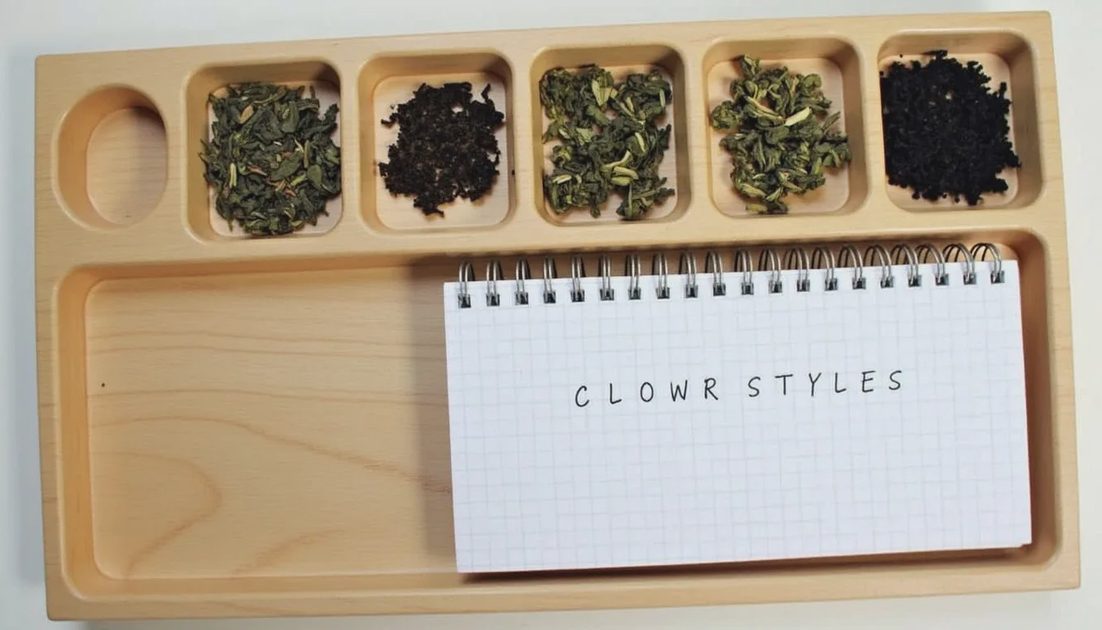
Practical Takeaway
The six-type framework is a tool, not a prison. It helps you navigate shops, online descriptions, and your own palate. Once the basic processing differences are clear, the enormous variety of individual teas becomes less confusing and more inviting.
Every cup has a history. Not every story is true. The processing story behind each major tea type is one of the most reliable guides you can carry into a tea shop.

No comments yet — be the first to share a thought.