Tea and food have shared tables for centuries, yet many modern drinkers treat pairing as either a mystery or a set of rigid rules. Neither extreme is helpful.
The useful approach is simpler: different tea categories bring different strengths and sensitivities to the table. Once you understand those broad tendencies, you can make flexible choices that suit what you already like to eat and drink. This post focuses on three widely available categories—green, oolong, and black—and offers practical combinations rather than ceremonial prescriptions. The goal is not to turn every snack into a performance. The goal is to help the tea and the food leave room for each other so both can be enjoyed.
The Short Version
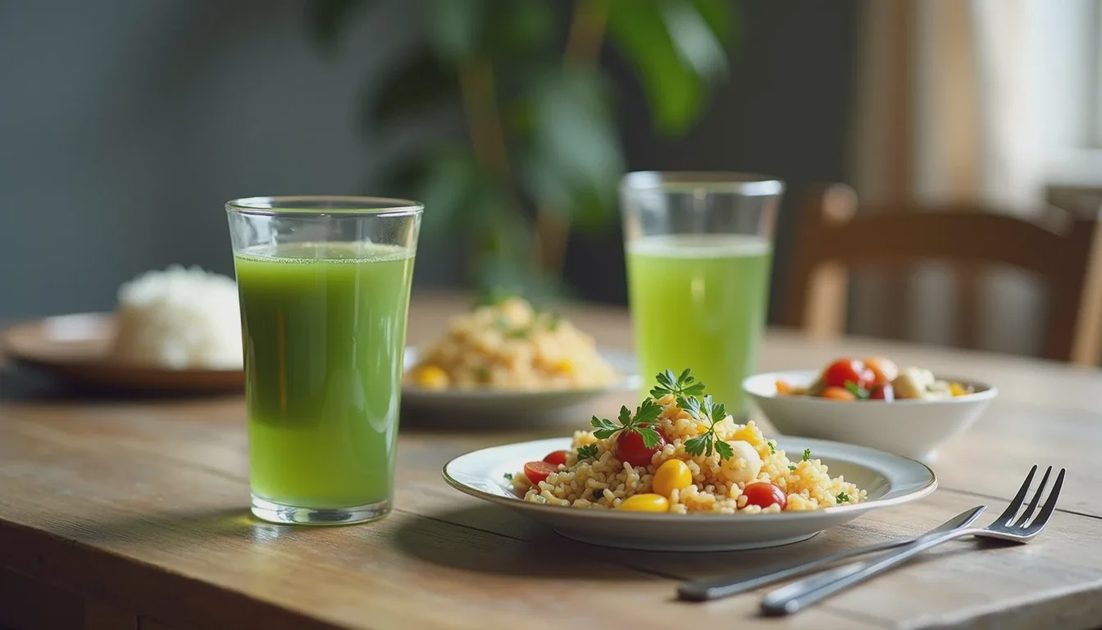
Green tea pairs best with lighter, cleaner flavors and can be overwhelmed by heavy or strongly spiced food.
Oolong is versatile; lighter styles love floral and creamy notes, while roasted styles stand up to richer or toasted flavors.
Black tea handles heartier, sweeter, and fattier foods more easily and is the most forgiving with milk and sugar if you use them.
Taste is personal. Use these tendencies as starting points, not laws. The best pairing is the one that makes you want another sip and another bite.
Green Tea: Light, Fresh, and Easily Overwhelmed
Because most green teas are prevented from oxidizing, they retain brighter, more vegetal, marine, nutty, or sweet-grass notes. Those qualities shine next to foods that do not cover them up. When the food is too heavy, the tea can taste thin or disappear. When the tea is over-brewed and bitter, it can make even good food taste harsh.
Helpful directions include:
Steamed or lightly cooked vegetables with minimal seasoning
Mild seafood prepared simply
Clean rice or noodle dishes with restrained sauce
Fresh fruit, especially berries, melon, or ripe stone fruit
Lightly sweetened pastries, plain shortbread, or delicate sponge
Nuts and subtle cheeses that do not dominate
What tends to clash:
Heavy cream sauces or rich cheese boards
Strongly spiced, smoked, or heavily caramelized foods
Very sweet desserts that flatten the tea’s delicacy
Aggressive citrus or sharp vinegar that can push the cup toward metallic or thin notes
Brewing discipline matters more with green tea than with most black teas. A cup that has been extracted too long or with water that is too hot will fight almost any food. Keep the liquor clean, moderate in strength, and served fresh. If you are offering green tea with food, brew smaller amounts more often rather than letting a large pot sit.
Oolong: The Flexible Middle
Oolong’s partial oxidation creates a wide range of personalities. Lightly oxidized, floral oolongs behave somewhat like aromatic green teas and prefer similar partners. More heavily oxidized and roasted oolongs move toward the depth of black tea while keeping their own roasted, mineral, or toasty character. This range is why oolong is often the easiest category to match with mixed menus.
For lighter, floral oolongs try:
Fresh fruit and light cream-based desserts
Mild cheeses and soft breads
Simply prepared chicken or white fish
Buttery or shortbread-style baked goods
Dishes with subtle floral, herbal, or creamy notes
For roasted or mineral oolongs try:
Roasted nuts and toasted grains
Caramel, toffee, or gentle chocolate notes
Grilled or roasted meats with moderate seasoning
Darker breads and savory pastries
Foods that carry a mild earthiness or toastiness
Oolong’s ability to handle multiple short infusions also makes it practical at the table. You can serve a progressing sequence of cups alongside a meal without needing a new tea for every course. Guests often enjoy noticing how the flavor shifts, and the host is not forced to brew large volumes that lose quality.
Black Tea: Robust and Forgiving
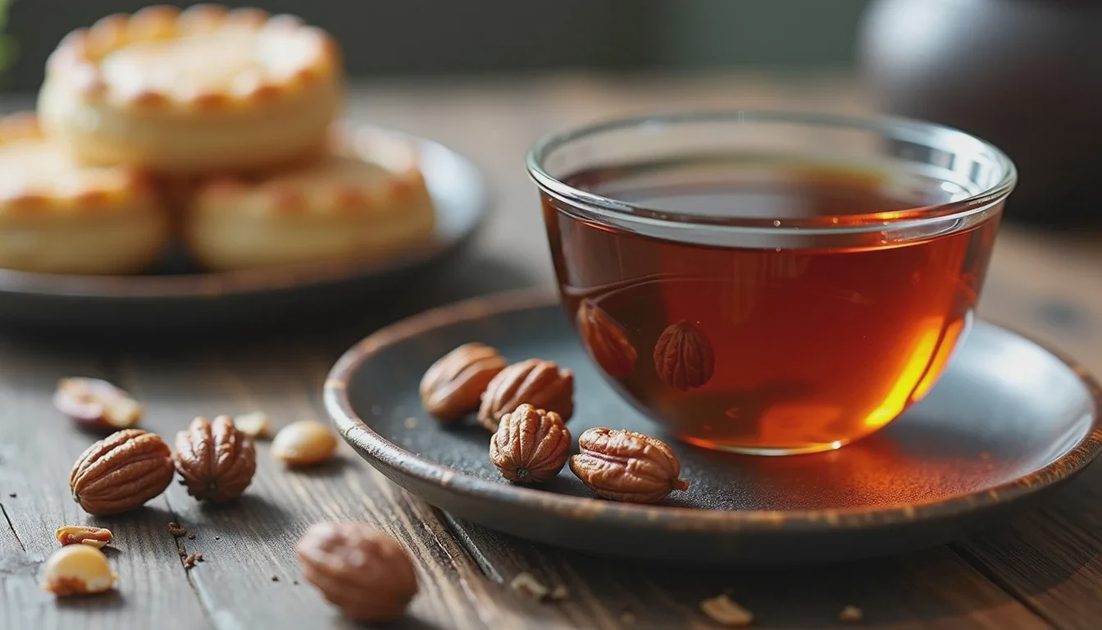
Fully oxidized black teas generally offer more body and deeper flavors—malt, dried fruit, caramel, spice, honey, or bright muscatel notes depending on origin and style. That structure lets them stand beside richer foods without disappearing. Everyday black teas are among the most food-friendly options on most shop shelves.
Reliable directions include:
Classic breakfast foods such as eggs, toast, bacon, and pastries
Chocolate, caramel, and spiced desserts
Cheeses with moderate to strong character
Sandwiches, savory pies, and simple lunch plates
Dishes that carry sweetness, fat, or gentle spice
Black tea is also the category that most easily accepts milk and sweetener if that is part of your habit. The combination exists in many cultures for practical reasons: the tea’s body can carry the addition without collapsing. Very delicate first-flush or highly nuanced single-origin black teas may still prefer simpler accompaniments, but standard breakfast and afternoon-style black teas are notably adaptable.
Building a Simple Menu Without Stress
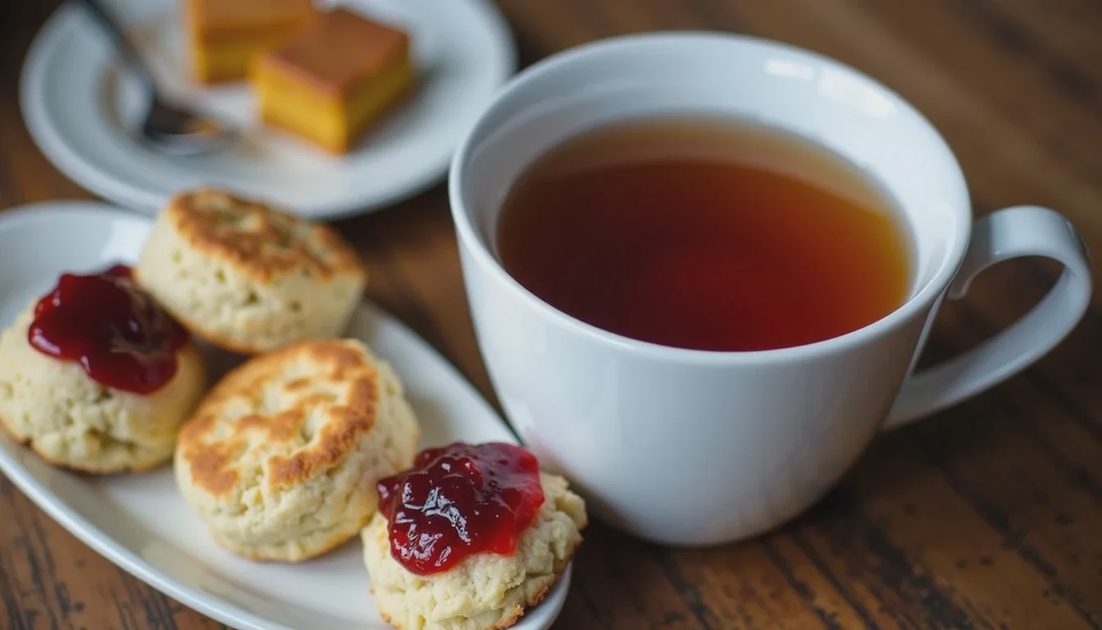
You do not need a different tea for every plate or a three-tier stand. A practical home approach looks like this:
Choose one tea category that fits the overall weight of the meal or snack.
Offer one small sweet and one small savory option that sit comfortably with that tea.
Keep portions modest so the tea remains noticeable rather than being drowned.
Brew fresh pots or small infusions rather than letting one large volume sit and decline.
Accept that guest preferences vary; having a second, contrasting tea available is often enough.
For mixed groups, two teas—one lighter and one more robust—cover most needs without turning the table into a formal tasting. The host’s job is to reduce friction, not to demonstrate exhaustive knowledge.
Regional Traditions as Inspiration, Not Rules
Chinese, Japanese, British, and other tea cultures have long histories of combining tea with specific foods. Those pairings developed inside particular cuisines, climates, and social settings. They are valuable sources of ideas and historical understanding. They are not universal laws that must be followed in a contemporary American kitchen.
Borrow structures that work. Adapt flavors to what is seasonal and available. The measure of success is whether the tea and the food leave each other room to be enjoyed, not whether the combination matches a historical menu from another continent.
Final Thought
Pairing tea with food is less about memorizing charts and more about noticing how processing shapes a tea’s strength and sensitivity. Green teas ask for lightness. Oolongs offer a spectrum. Black teas bring robustness. Once those tendencies are clear, ordinary meals and simple gatherings become easier to support with a good pot of tea.
Every cup has a history. Not every story is true. The practical story of what tastes good together is one you can test at your own table starting today.

No comments yet — be the first to share a thought.