The tea plant is the botanical beginning of nearly every traditional tea you drink, from brisk English breakfast blends to delicate Japanese green tea. Its leaves can become green, black, white, oolong, or fermented tea depending on cultivation, harvest, and processing. The short version is simple: the plant is the same, but the history and handling of its leaves create remarkably different results.
What is the tea plant?
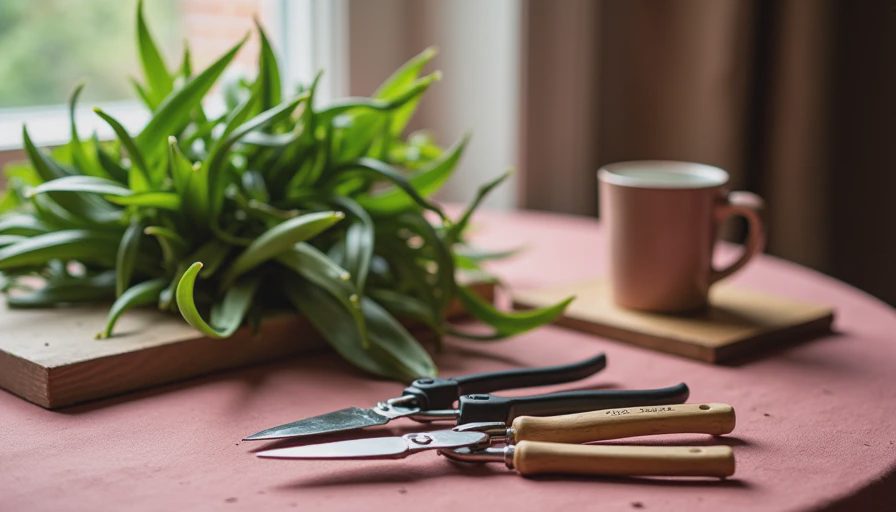
The tea plant is Camellia sinensis, an evergreen shrub in the camellia family. It is related to ornamental camellias grown in gardens, although the varieties used for drinking tea have been selected for leaf quality, flavor, climate, and harvest performance. Left alone, the tea plant can grow into a small tree, but farmers usually prune it into a waist-high bush so workers can gather young shoots efficiently.
Two broad botanical groupings are often discussed: Camellia sinensis var. sinensis, associated historically with China and other cooler growing areas, and Camellia sinensis var. assamica, associated with warmer regions and larger leaves. The distinction is useful, but it is not a complete map of tea. Centuries of cultivation, natural variation, and crossbreeding have produced many local cultivars, each shaped by soil, elevation, weather, and human decisions.
Tea is not made from mint, chamomile, or rooibos, even when those drinks are casually called tea. Those are herbal infusions. In everyday conversation, however, “tea” can refer to both the true tea plant and a wide family of steeped beverages. Knowing the difference helps you read labels without turning the subject into a vocabulary test.
Leaves, shoots, and growing conditions
The most prized harvest often includes a new bud and one or two tender leaves. These young parts contain aromatic compounds and have a softer texture than mature leaves. A label such as “single bud” or “two leaves and a bud” describes the material gathered, not automatically its quality. A well-made tea can use larger leaves and still offer depth, sweetness, and excellent value.
The tea plant grows best in warm, humid environments with regular rainfall and well-drained soil. Mountain gardens often produce slower-growing leaves with concentrated aromas, while lower, warmer areas can encourage vigorous growth and larger harvests. Shade, mist, soil acidity, pruning, and harvest timing all influence the final character. These conditions are why a tea from one valley can taste noticeably different from one grown only a few states or provinces away.
At home, growing a tea plant is possible in a container if you provide bright light, acidic well-drained soil, steady moisture, and protection from extreme cold. It is an attractive evergreen, but patience is essential. A potted shrub will not quickly supply enough leaves for a daily teapot, and harvesting too heavily can weaken it. Treat the project as a garden experiment rather than an inexpensive route to homemade tea.
How processing creates different teas
Fresh leaves are not yet finished tea. After harvest, makers control moisture, oxidation, heat, shaping, and drying. Green tea is generally heated early to limit oxidation, preserving a fresh, grassy, vegetal, or nutty profile. Black tea undergoes more extensive oxidation, creating darker color and flavors that can suggest malt, fruit, toast, or cocoa.
Oolong occupies a broad middle ground. Its leaves may be bruised, rested, heated, rolled, and roasted in carefully managed stages, producing styles that range from floral and lightly oxidized to dark and richly toasted. White tea usually receives comparatively gentle handling, often involving withering and drying, though its character varies by region and production method. Pu-erh and other dark teas involve additional aging or microbial transformation after initial processing.
The word “fermented” is frequently used for all dark teas, but that can blur important distinctions. Oxidation is a chemical reaction involving the leaf and air; microbial fermentation involves living organisms and controlled aging. The historical record is less tidy than popular tea language suggests, so a careful label and a reputable seller are more useful than a dramatic claim about ancient secrets.

Choosing tea by plant, place, and process
When shopping, begin with the style you enjoy rather than chasing a prestigious name. Someone who likes coffee with toasted flavors might enjoy a roasted oolong or malty black tea. A drinker who prefers fresh vegetables may appreciate a steamed green tea. Floral aromas often appear in high-elevation oolongs and some white teas, while earthy depth is common in aged or post-fermented styles.
Look for a harvest region, season, cultivar, or processing description when available. A clear package might name a mountain area, a garden, a harvest year, or a lot number. That information does not guarantee that you will love the tea, but it gives you a way to compare experiences. Extremely vague packaging that promises “imperial wellness” without naming the actual tea offers less useful information.
Price is not a perfect guide. A $12 pouch can be more satisfying than a $40 tin if it is fresher and better suited to your preferences. Buy a small quantity first, store it away from heat, light, moisture, and strong odors, and record how you brewed it. Your notes can be as simple as “too bitter at five minutes” or “excellent with oatmeal.” This is how taste becomes practical knowledge.
Brewing with the plant’s history in mind
There is no single correct brewing ritual. A Japanese sencha might be brewed with cooler water and a shorter steep, while a robust black tea may welcome hotter water and several minutes of contact. Rolled oolong can often be steeped repeatedly, allowing its aroma to unfold across multiple infusions. Follow the seller’s starting guidance, then adjust one variable at a time.
Use a kettle with reliable temperature control if you brew often, but an ordinary kettle and a kitchen thermometer work well too. If the cup tastes harsh, try cooler water, fewer leaves, or a shorter steep before blaming the tea. If it tastes thin, add more leaf or extend the time. Filtered water can help when tap water has a strong mineral or chlorine character, though there is no need to turn brewing into laboratory work.
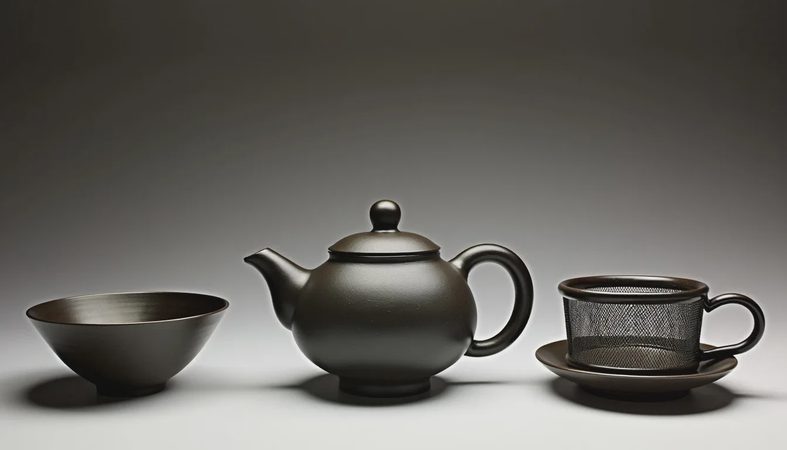
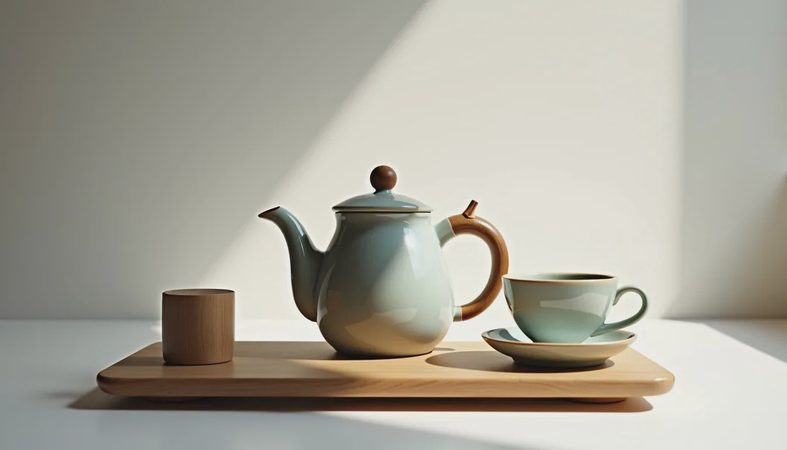
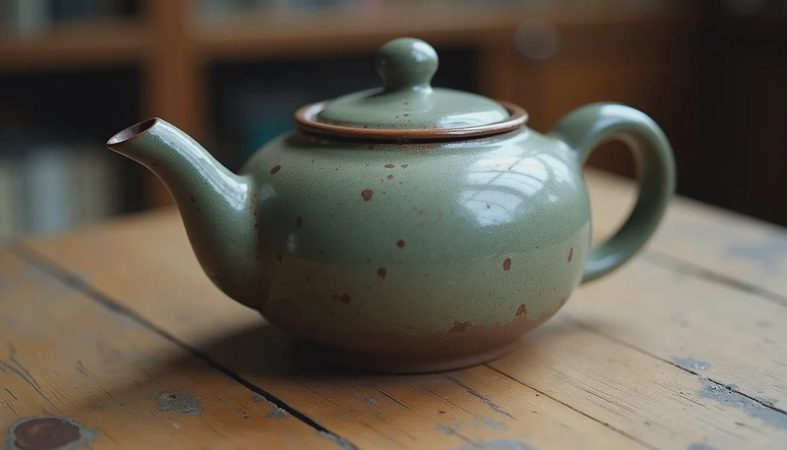
A small gaiwan, kyusu, teapot, or infuser each supports a different rhythm. The object matters because it shapes handling, pouring, and attention, not because one vessel makes a drink more culturally legitimate. You can appreciate a regional tradition without performing expertise. A mug and basket infuser are perfectly reasonable places to begin.
A living history in every cup
The tea plant traveled through gardens, trade networks, monasteries, farms, factories, ports, and household kitchens. Those movements changed recipes and routines, but they did not create one universal tea culture. Afternoon tea, powdered tea practice, gongfu-style brewing, roadside chai, and a quick American iced tea all belong to different social histories.
That variety is part of the pleasure. Ask where a tea was grown, what happened to the leaves after harvest, and how people in its producing region traditionally prepared it. Then make room for your own routine, whether that means a careful weekend tasting or a strong cup beside your laptop. Every cup has a history. Not every story is true, and learning the difference makes the drink more interesting.
No comments yet — be the first to share a thought.