The short version is that genmaicha tea is Japanese green tea blended with roasted rice. That rice gives the cup a warm, toasted aroma and a gentle savory note, making it an inviting choice for people who find plain green tea too sharp or grassy. It is familiar enough for a weekday mug yet layered enough to reward attention. Every cup has a history, and not every story about this tea is true.
What is genmaicha tea?
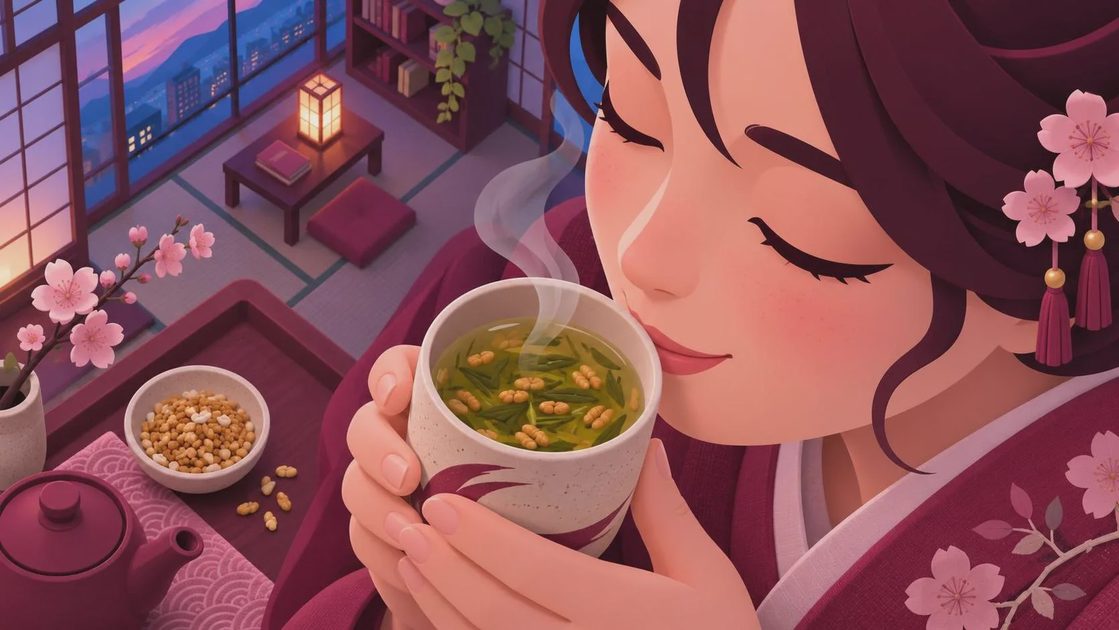
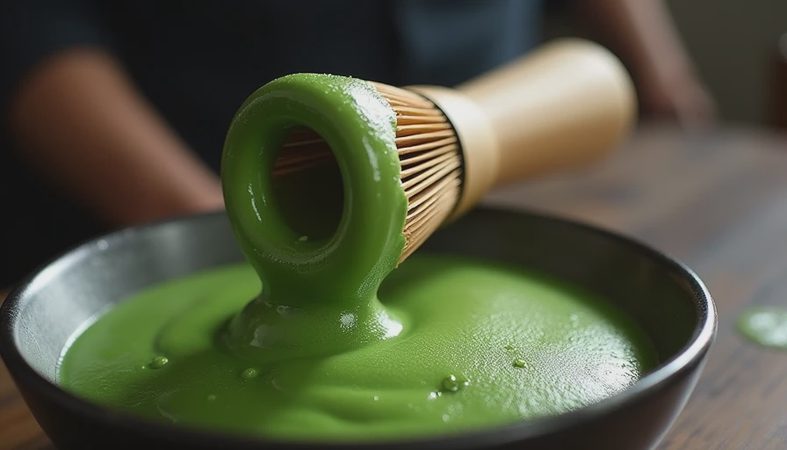
Genmaicha tea usually combines bancha or sencha with roasted brown rice. The rice may be puffed during roasting, which accounts for the small pale kernels often mixed through the leaves. Some blends also include a little matcha, creating a greener color and a rounder, more vivid flavor. That version is often sold as matcha-iri genmaicha, meaning genmaicha with matcha included.
The base tea matters. Bancha tends to produce a softer, less astringent cup, while sencha can bring brighter vegetal notes. Roasted rice balances either style with flavors that recall warm grain, popcorn, toasted nuts, or freshly baked bread. Good genmaicha tea should not taste like burnt cereal. The rice aroma should support the tea rather than cover every trace of it.
The term genmai refers to brown rice, although commercial blends do not always use only whole, unpolished brown rice in the finished product. Production methods and proportions differ between makers. In other words, the name identifies a style, not a single standardized recipe.
A brief history without the tidy legend
A popular account says that roasted rice was added to tea because people needed to stretch expensive leaves. That explanation is plausible in some household contexts, but it is often repeated as if it describes the entire history of the tea. The historical record is less tidy than the popular story. Tea habits varied by region, household income, season, and the kinds of leaves available.
Roasted rice also contributes flavor and fragrance, so thrift is not the only reason someone might blend it with tea. In Japan, roasted ingredients have long been part of everyday cooking and drinking traditions. Genmaicha became especially recognizable as a casual, accessible tea rather than a formal preparation reserved for special occasions. That distinction helps explain its modern appeal: it belongs comfortably at breakfast, alongside a simple lunch, or in a thermos during a workday.
You do not need to recreate a historical setting to appreciate the blend. A ceramic mug, an electric kettle, and five quiet minutes are enough. Understanding the background simply keeps the ritual connected to real domestic practices rather than turning it into decorative folklore.
How genmaicha tea tastes
Expect a low, roasted aroma before the first sip. On the palate, genmaicha tea can be nutty, grain-like, lightly sweet, and mildly vegetal. Some blends finish with a pleasant dryness, while others are almost broth-like in their savory depth. Matcha-iri versions may taste fuller and greener because the powdered tea disperses into the water.
Temperature and steeping time strongly affect the result. Water that is too hot can draw out bitterness from the green tea, while a short steep may leave the rice flavor dominant. Start with water around 175 degrees Fahrenheit and steep for 60 to 90 seconds. If the cup tastes thin, use more leaf or add 15 seconds rather than immediately raising the temperature.
For a standard 8-ounce cup, try 1 teaspoon of loose tea. A teabag may need the full time suggested on its package, often closer to two minutes. There is no etiquette penalty for using a teabag. The point is to notice what you are drinking and adjust it until the cup suits you.

Caffeine and everyday use
Genmaicha tea contains caffeine because its green tea leaves come from the tea plant. The amount depends on the leaf grade, blend ratio, serving size, water temperature, and steeping time. A cup may feel gentler than coffee, but it is not automatically caffeine-free or even uniformly low in caffeine.
If you are sensitive to caffeine, drink a smaller serving earlier in the day, choose a blend with more roasted rice and less leaf, or look for a decaffeinated option. Decaffeination changes the product and may soften some flavors, so compare the aroma before buying a large package. People managing a medical condition or medication interaction should rely on professional advice rather than broad tea claims.
The blend works well as a daily alternative to a second coffee. Its roasted character can satisfy the desire for something warm and substantial, while the lighter body makes it suitable with breakfast or an afternoon snack. It is also useful for introducing green tea to someone who prefers toasted, malty, or savory flavors.
Choosing a good blend
Begin with freshness. Green tea loses aroma gradually, so look for packaging that provides a harvest or packing date when possible. Buy a modest amount, perhaps 2 to 4 ounces, unless you already know the producer. Store the tea in an opaque, airtight container away from the stove, sunlight, moisture, and strong spices.
Next, inspect the ingredients. A straightforward blend may list green tea and roasted rice. Matcha-iri versions should identify matcha as an ingredient. Neither style is automatically better. Choose the plain version for a clearer roasted-rice character and matcha-iri when you want a greener, more concentrated cup.
Price is not a perfect guide. A $10 package can be enjoyable, while a $25 specialty tin may offer fresher leaf, more careful roasting, or a more distinctive base tea. Read the description for useful details such as sencha or bancha, rice percentage, roast level, and origin within Japan. Avoid buying solely because a package uses vague words such as ceremonial or authentic.
Brewing and pairing ideas
Genmaicha tea pairs naturally with foods that have gentle salt, smoke, or toast. Try it with rice bowls, grilled vegetables, tamagoyaki-style omelets, roasted mushrooms, avocado toast, crackers, or a simple cheese sandwich. The roasted notes can also work with popcorn and lightly sweet cookies. Very delicate pastries may be overwhelmed by a heavily roasted blend, so choose a softer bancha version in that setting.
For a small teapot, add 5 grams of leaf to roughly 8 to 10 ounces of water at 170 to 180 degrees Fahrenheit. Steep for about one minute, pour completely, and taste. A second infusion can work well with many loose blends; use hotter water and a shorter steep, then decide whether a third is worthwhile. The leaves tell you more than a rigid chart does.
You can cold-brew the tea, too. Place about 1 tablespoon in a quart of cold water and refrigerate for four to eight hours. The result is softer and less bitter, with the toasted rice aroma still present. Strain before serving and keep the finished tea refrigerated.
A simple ritual for modern homes
Set out one cup, a small pot or infuser, and a snack that does not demand much attention. Warm the vessel if you like, measure the leaves, and listen for the change in aroma as hot water meets roasted rice. That sequence takes less than five minutes but creates a useful boundary between tasks.
The ritual does not need to look formal. In my own kitchen, a sturdy mug is more practical than a delicate teacup when Clara is doing homework and Juniper is inspecting the counter. What matters is the pause, not an impressive collection of objects. You can appreciate the tradition without performing expertise.
Genmaicha tea is a good place to begin because it offers several doors into tea culture at once: Japanese agriculture, roasting technique, household economy, sensory judgment, and the continuing life of an everyday drink. Try one plain blend and one matcha-iri version, brew both carefully, and take notes on what changes. The best choice will be the cup you genuinely want to make again.


No comments yet — be the first to share a thought.