Lemon melissa tea is a fragrant herbal infusion made from lemon balm, the leafy plant known botanically as Melissa officinalis. It tastes lightly citrusy without the sharp acidity of lemon juice, and it contains no tea leaves unless a blend adds green, black, or white tea. The short version is simple: lemon melissa tea is easy to brew, pleasant hot or iced, and best understood as a calming household tisane rather than a cure-all.
What lemon balm brings to the cup
Lemon balm is a perennial herb in the mint family. Crush its leaves and you will notice a fresh lemon scent, softened by a green, almost apple-like quality. That aroma is the reason the plant became useful in gardens, kitchens, and traditional herbal practice. The leaves can be used fresh, dried, or combined with other herbs such as chamomile, peppermint, lavender, or rose.
Although people commonly call it lemon melissa tea, “tea” is technically a convenient everyday term. True tea comes from Camellia sinensis, the plant used for green, black, oolong, white, and pu-erh tea. Lemon balm contains no tea leaves by itself, so it is more precisely an herbal tea or tisane. This distinction matters if you are avoiding caffeine: pure lemon balm is naturally caffeine-free, while a commercial blend with green tea or yerba mate is not.
The flavor is usually gentler than a strongly flavored lemon tea bag. Expect a soft citrus nose, mild sweetness, and a clean finish. Over-steeping can bring out a slightly grassy or medicinal note, so a careful brewing time makes a noticeable difference.
Historically, lemon balm traveled through domestic gardens and apothecary traditions around the Mediterranean and Europe. Its name, Melissa, comes from an ancient Greek word associated with bees, reflecting the plant’s appeal to pollinators. The historical record is less tidy than the popular story: old herbals describe many uses, but those descriptions are not modern clinical proof. Every cup has a history. Not every story is true.
How to brew lemon melissa tea
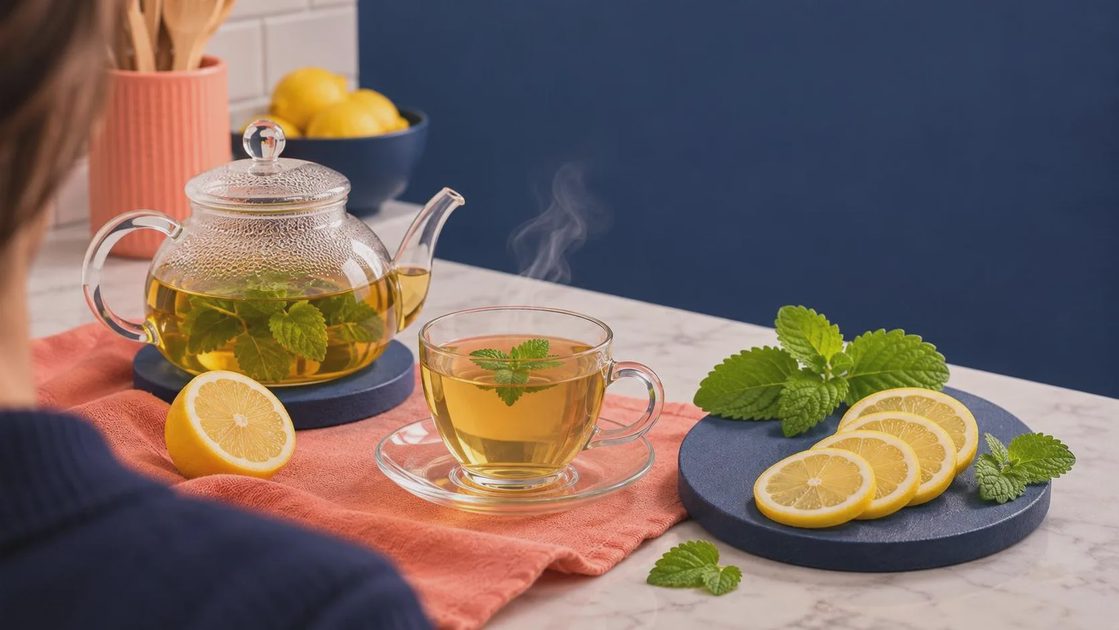
For a straightforward cup, use one to two teaspoons of dried lemon balm per eight ounces of water. Heat water to about 200 degrees Fahrenheit, pour it over the leaves, and cover the cup while it steeps for five to seven minutes. Covering the vessel helps retain the volatile aromas that make lemon melissa tea distinctive. Strain, taste, and add another minute only if you want a fuller herbal character.
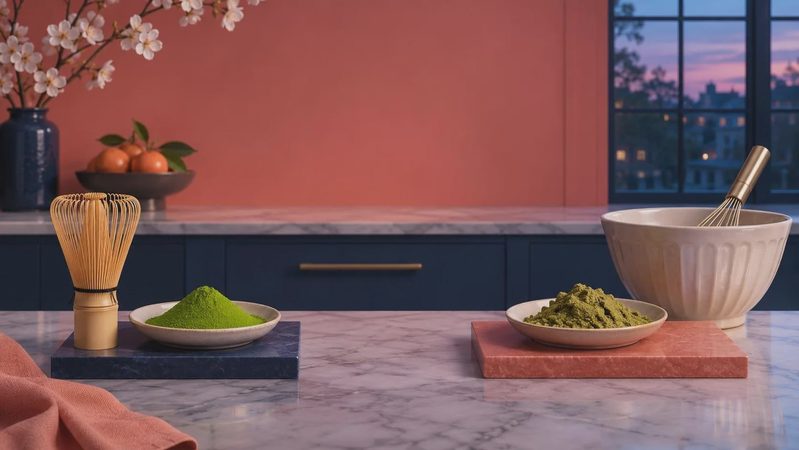
Fresh leaves require a little more volume because they contain water and have a lighter concentration. A small handful, gently torn or bruised, works well for a mug. Do not pulverize the leaves; rough handling can make the infusion look cloudy and taste more vegetal. A glass teapot or simple ceramic mug is enough. You do not need a specialized gaiwan, matcha whisk, or elaborate tea tray for this herb.
For iced tea, double the leaf quantity rather than steeping an ordinary-strength infusion and drowning it in ice. Brew six to eight ounces of hot lemon melissa tea, strain it after seven minutes, then pour it over a full glass of ice. A strip of lemon peel, a few cucumber slices, or a sprig of mint can add freshness. Honey is optional, and its floral sweetness pairs better with warm tea than with a heavily chilled glass.
A useful evening variation combines lemon balm with chamomile. The chamomile contributes an apple-like, honeyed note, while lemon balm keeps the blend bright. For daytime, try lemon balm with peppermint or a small amount of hibiscus. Hibiscus adds vivid color and tartness, but it can easily overpower the delicate base, so begin with a modest pinch.
Choosing a good product
Loose leaf lets you inspect the material before brewing. Look for reasonably intact green or olive-colored leaves with a recognizable lemon scent. Dull brown dust is not automatically unsafe, but it often produces a flatter cup. A tea bag can be excellent when the herb is fresh and packed in a protective pouch; convenience is not a cultural or sensory failure. Many people discover lemon melissa tea during a busy workday precisely because a bag makes the ritual possible.
Read the ingredient panel carefully. A product labeled lemon balm might contain only Melissa officinalis, while “lemon tea” could mean black tea flavored with citrus oils. If caffeine matters, choose wording such as “caffeine-free herbal infusion” and confirm that the ingredient list contains no Camellia sinensis, mate, guarana, or coffee. Organic certification can be useful for farming standards, but it does not guarantee a stronger aroma or better flavor.
Packaging also affects quality. Dried herbs lose fragrance when exposed to heat, air, light, and humidity. Choose a sealed pouch or tin from a seller that provides a harvest or packing date when possible. Store it in a cool cabinet, away from the stove and spice rack. If the aroma has disappeared, the herb may still be usable, but the cup will taste noticeably muted.
What it can and cannot do
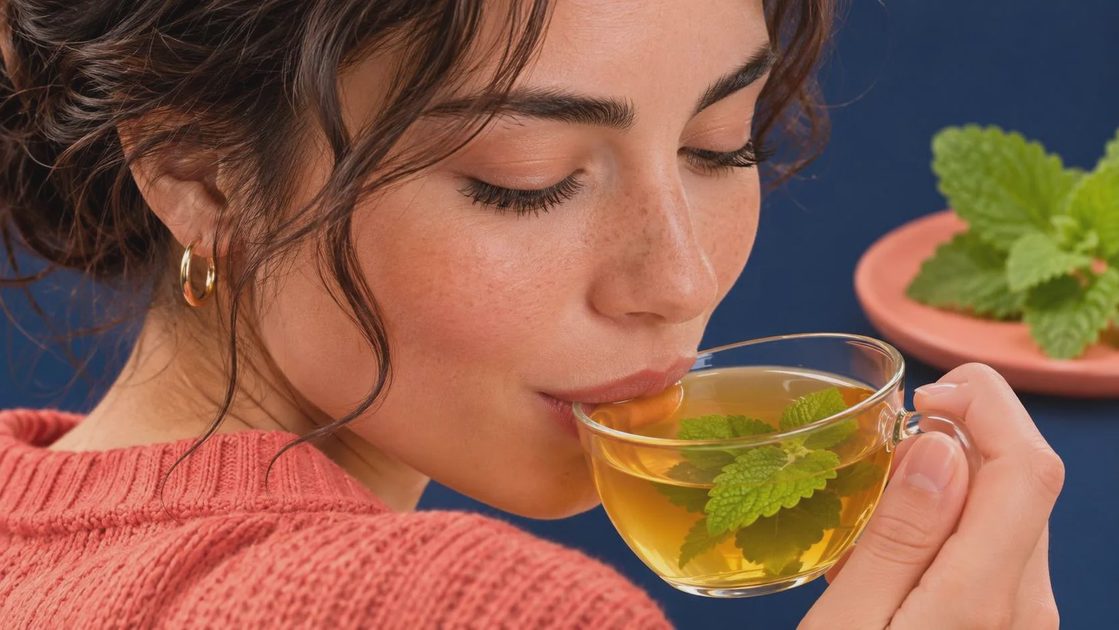
Lemon melissa tea is often included in bedtime routines because its aroma and warm, non-caffeinated format feel soothing. That is a reasonable personal use, but it should not be marketed as a treatment for insomnia, anxiety, digestive disease, or any other medical condition. Research on lemon balm preparations is still different from the experience of drinking a mild homemade infusion, and evidence from concentrated extracts cannot automatically be applied to a cup of tea.
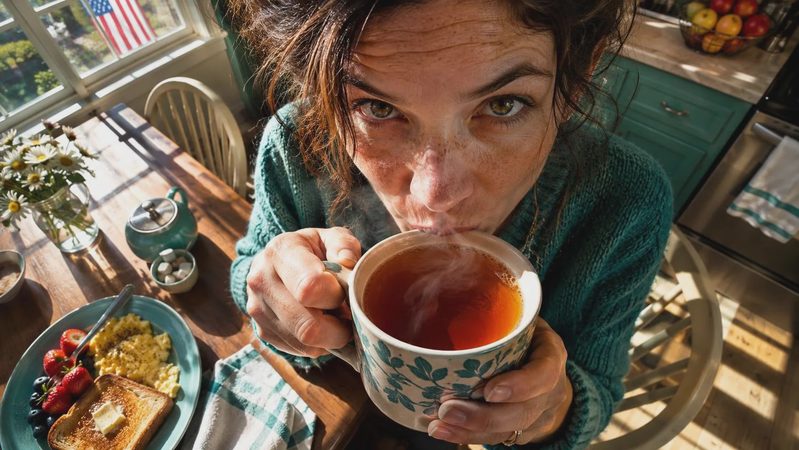
A warm mug can also create a useful pause between activities. Pouring the water, waiting through the steep, and drinking without multitasking are small acts of attention. The benefit may come partly from that ritual rather than from a dramatic pharmacological effect. This is one tradition, not the only tradition, and you can appreciate the ritual without performing expertise.
Most healthy adults tolerate ordinary servings well, but herbs are not automatically risk-free. People who are pregnant or breastfeeding, children, and anyone taking regular medication should ask a qualified clinician before making lemon balm a daily concentrated supplement. If you develop an unusual reaction, stop drinking it. Tea should complement sensible care, not replace it.
A simple daily ritual
Try lemon melissa tea in a small ceramic cup after dinner, when coffee or black tea would be too stimulating for your routine. Use one teaspoon of dried leaves, steep for six minutes, and taste before sweetening. Notice how the aroma changes as the cup cools. The first sip may seem subtle; by the final sip, the lemon scent often feels more rounded and herbal.
For a weekend tea table, serve it alongside shortbread, plain butter cookies, fresh berries, or a mild goat cheese. Its gentle citrus character can cut through buttery foods without the acidity of lemonade. A clear pitcher of iced lemon melissa tea works well at a summer lunch, especially with cucumber sandwiches or a grain salad.
The best lemon melissa tea is not necessarily the most expensive product or the most elaborate blend. It is the one with a clear ingredient list, a fresh aroma, and a brewing method you will actually use. Start with a small packet, compare loose leaf with bags, and keep notes on steeping time. Every cup has a history, but your kitchen is where that history becomes an everyday practice.


No comments yet — be the first to share a thought.