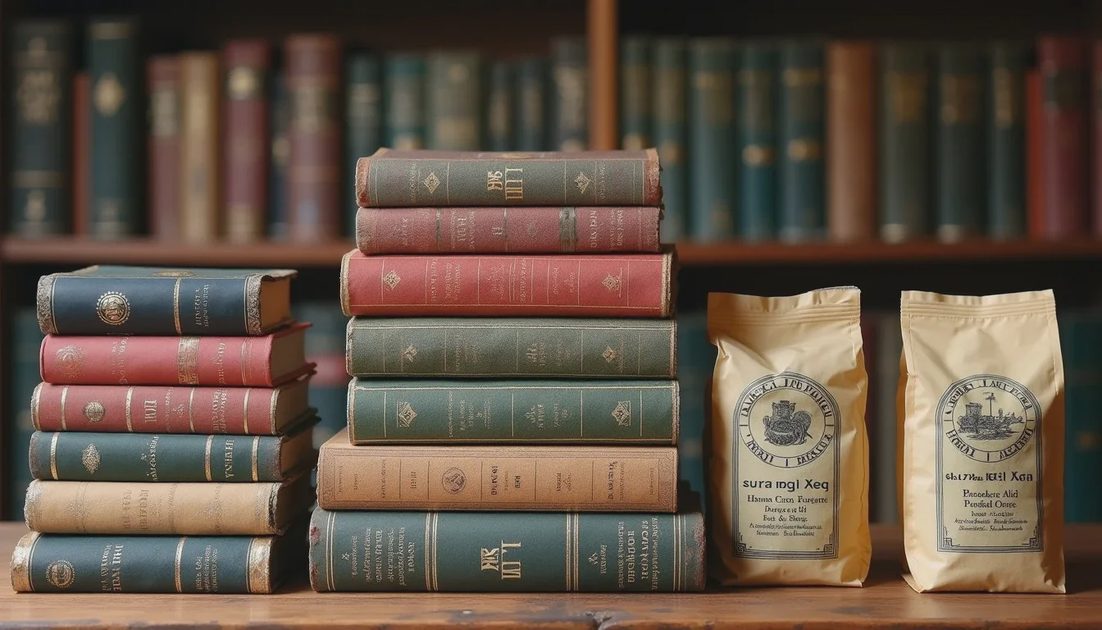
Tea attracts stories the way a warm teapot attracts condensation.
Some of those stories contain kernels of truth. Many others are later inventions, marketing language, national myth-making, or well-intentioned simplifications that hardened into “facts.” Repeating them does not make them more accurate. It only makes clearer information harder to find.
This post examines several persistent myths that appear regularly in articles, social media, and even some packaging. The goal is not to spoil anyone’s enjoyment of tea. It is to replace fog with clearer outlines so that curiosity can go further.
The Short Version
Many popular tea claims—about ancient emperors, universal health benefits, a single correct brewing method, or pure unbroken traditions—are either exaggerated, incomplete, or unsupported by the historical and botanical record. Better information exists. It is usually more interesting than the myth.
Myth 1: “Tea Was Discovered by Emperor Shen Nong When a Leaf Fell into His Water”
The Shen Nong legend is charming and widely repeated. It places the origin of tea in a remote mythic past and gives the drink an imperial pedigree. The problem is that it is a legend, not a documented historical event.
Reliable botanical and archaeological evidence points to a more gradual development of tea use in regions where Camellia sinensis grew. Written Chinese sources that clearly refer to tea as a beverage appear much later than the mythical emperor. Treating the Shen Nong story as literal history confuses cultural mythology with evidence.
Clearer version: Tea use developed over a long period in areas where the plant was native. Later writers attached prestigious origin stories to an already existing practice. Legends can reveal cultural values; they do not replace primary evidence.
Myth 2: “All Tea Comes from China and Everything Else Is a Copy”
China is central to the early history of tea. That fact does not mean every later tea culture is merely derivative or less authentic. Japanese, Korean, British, Indian, Sri Lankan, Taiwanese, and other traditions developed their own processing methods, aesthetics, social meanings, and plant varieties over centuries.
Colonial-era plantation systems further complicated the picture by creating large-scale production oriented toward export markets. The global tea landscape is a history of movement, adaptation, and local innovation—not a simple original-versus-copy hierarchy.
Clearer version: Chinese tea history is foundational. Other tea cultures are real, historically developed traditions in their own right.
Myth 3: “Tea Is a Universal Health Elixir”
Tea contains compounds that have been studied for various physiological effects. That is not the same as the sweeping detox, weight-loss, or disease-prevention claims that circulate in lifestyle media and marketing.
Health effects depend on the type of tea, quantity consumed, individual biology, and overall diet. Overstated claims often rest on preliminary studies, animal research, or pure speculation. Responsible writing distinguishes between documented compounds and proven clinical outcomes in humans.
Clearer version: Tea can be a pleasant, low-calorie beverage with interesting chemistry. It is not a medicine cabinet. For health questions, consult reliable medical sources rather than tea packaging.
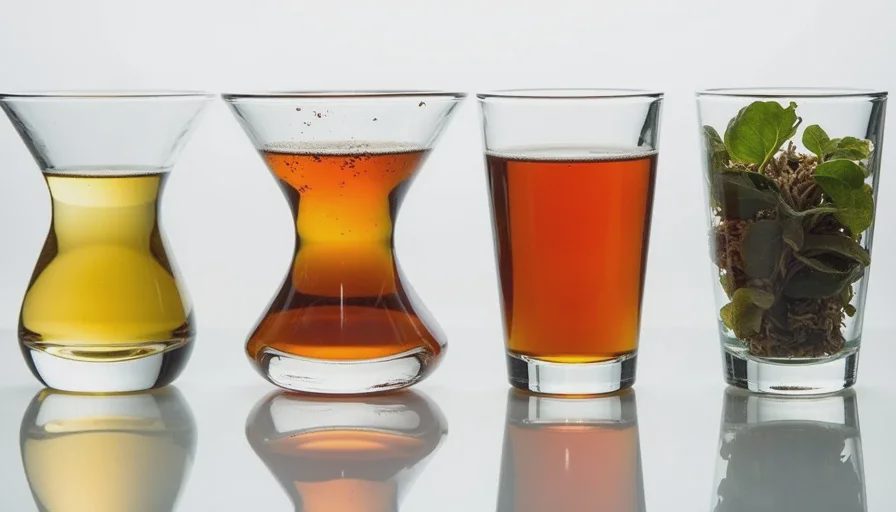
Myth 4: “There Is One Correct Way to Brew Any Given Tea”
Brewing guidance is useful. Rigid universal rules are not. Leaf size, processing style, water composition, vessel, personal taste, and cultural context all influence what “works.” A gaiwan method suited to certain Chinese oolongs is not the required approach for an English breakfast blend. A Japanese sencha temperature guideline is not a moral law for every green tea.
Beginners benefit from starting points. They also benefit from permission to adjust. Taste is data. If the cup is too bitter or too weak, change a variable and try again.
Clearer version: Recommended parameters are useful starting points, not sacred law. The best cup is the one that works for the leaf and the drinker in front of you.
Myth 5: “Traditional Tea Culture Never Changed”
Every major tea tradition has changed. Processing methods evolved. Social meanings shifted with class, gender, and politics. New tools appeared. Old practices were revived, abandoned, or reinterpreted. Presenting any tradition as frozen in an ideal past is historically inaccurate and often serves nationalist or commercial narratives more than evidence.
Living traditions adapt. That adaptation is part of their history, not a fall from purity.
Clearer version: Tea cultures are historical. They have beginnings, developments, debates, and revisions. Change is normal.
Myth 6: “Teabags Are Inherently Inferior and Only Loose Leaf Is Real Tea”
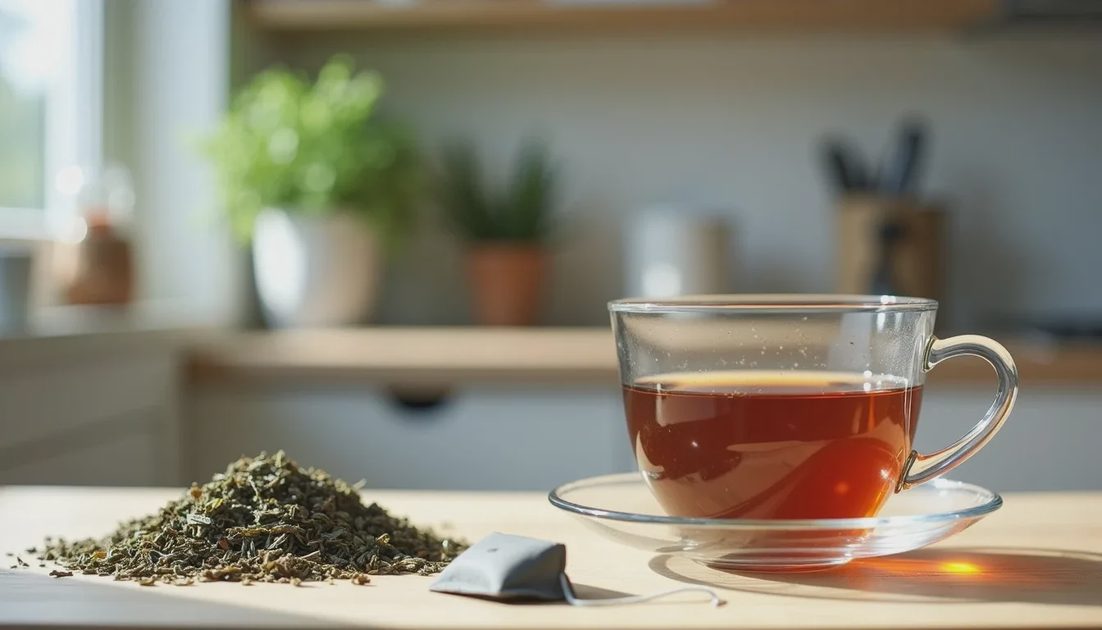
Teabags vary widely in quality. Some contain low-grade dust and fannings; others contain broken leaf of respectable quality. Loose-leaf tea also varies widely. The form of the package does not automatically determine the quality of the leaf inside.
Many people use teabags for convenience and still care about flavor. Shaming them does not elevate tea culture; it only narrows the conversation. Better questions concern leaf grade, freshness, and processing—not the presence or absence of a paper bag.
Clearer version: Quality depends on the leaf and the processing, not solely on whether it comes in a bag. Convenience and care can coexist.
How to Read Tea Claims More Carefully
A few practical habits help:
Ask what kind of source supports the claim (primary historical document, botanical study, marketing copy, or repeated anecdote).
Notice whether a story serves a national, commercial, or romantic purpose.
Separate “this is one traditional method” from “this is the only correct method.”
Treat health language with extra caution unless it is backed by robust human evidence.
Curiosity is better served by accurate outlines than by polished legends.
Final Thought
Tea is rich enough without the extra mythology. The plant, the processing, the trade routes, the objects, and the changing social practices already provide more than enough material for a lifetime of interest. Letting go of the weaker stories makes room for the stronger ones.
Every cup has a history. Not every story is true. Stopping the repetition of weak stories is one of the simplest ways to honor the real ones.
No comments yet — be the first to share a thought.