Search for “afternoon tea vs high tea” and you will find dozens of articles that confidently reverse the meanings, flatten the history, or treat the two phrases as interchangeable synonyms for a fancy hotel service with scones.
The confusion is understandable. Both terms emerged in Britain, both involve tea, and both have been reshaped by class, marketing, and tourism. Yet they originally referred to different meals eaten at different times by different social groups. Understanding the distinction helps you read menus, historical sources, and modern invitations more accurately.
The Short Version
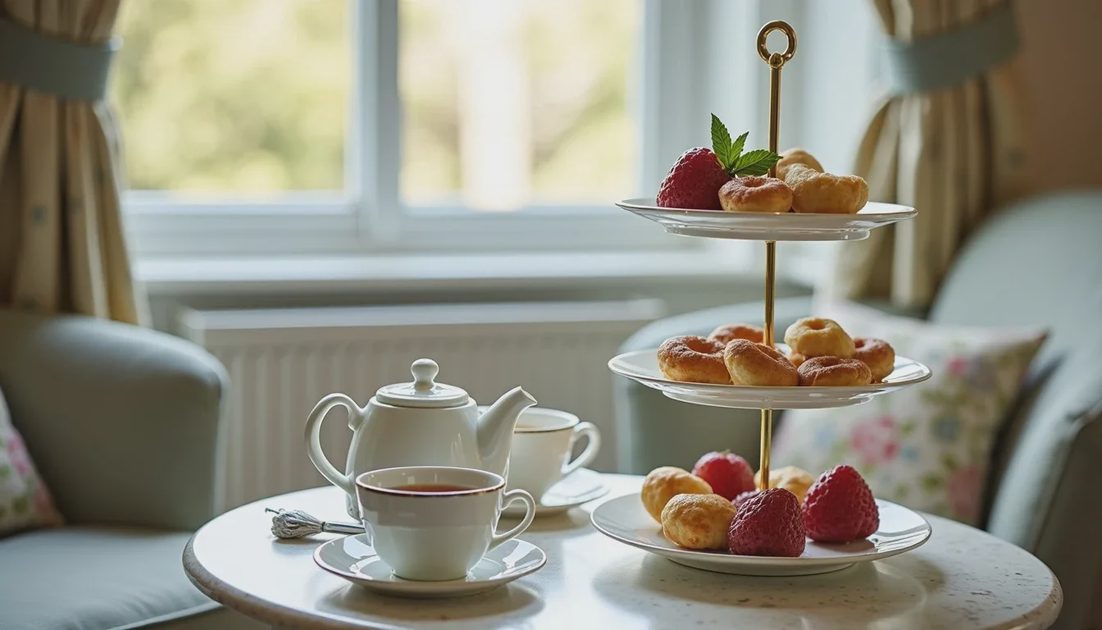
Afternoon tea developed in the nineteenth century among upper- and middle-class women as a light midday-to-late-afternoon meal of tea, bread and butter, cakes, and later sandwiches, served on low tables in drawing rooms.
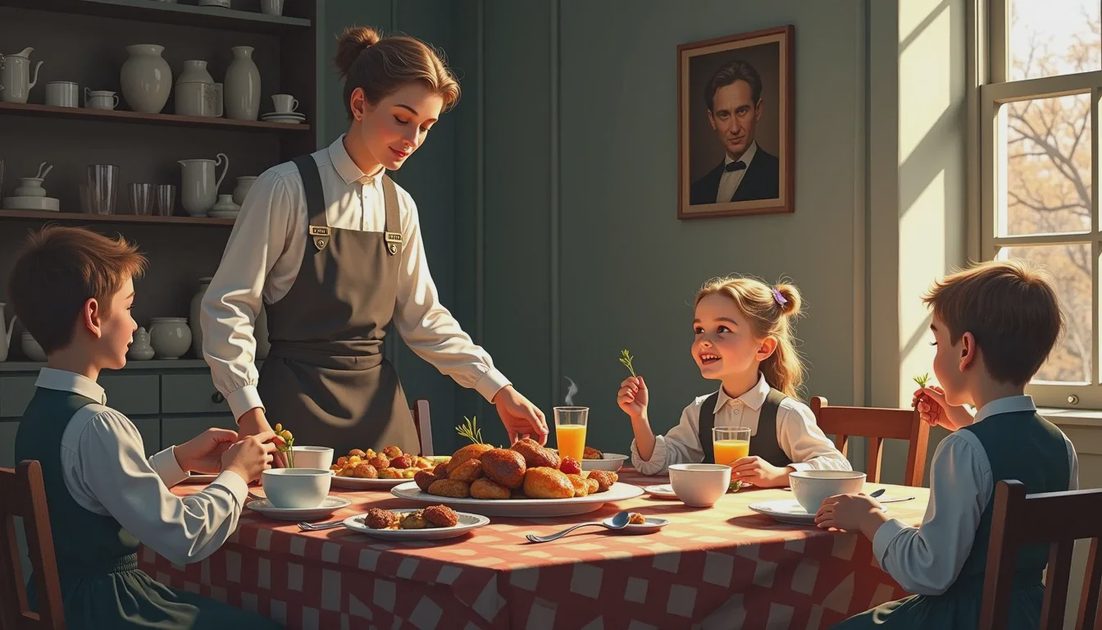
High tea (also called meat tea) was a substantial early-evening meal for working- and middle-class households, served at a high dining table and including stronger dishes such as meats, pies, cheeses, and bread alongside tea.
The terms were never simple opposites, and both have continued to change. Popular writing often swaps them or invents a single elegant origin story that does not match the record.
Afternoon Tea: Light, Social, and Mid-to-Late Afternoon
The conventional origin story credits Anna, Duchess of Bedford, in the 1840s with inventing afternoon tea to bridge the long gap between lunch and a late fashionable dinner. The anecdote is useful as a cultural marker even if the practice had earlier and broader roots. By the mid-Victorian period, a light tea in the afternoon had become an established feature of elite and aspiring middle-class social life, especially among women.
Typical elements included:
Tea (usually black tea, often served with milk and sugar)
Thin bread and butter or sandwiches
Cakes, pastries, or scones
Service on low tables in a sitting or drawing room
The social function mattered as much as the food. Afternoon tea offered a respectable occasion for conversation, visiting, and display of domestic refinement. It was not a full meal intended to replace dinner.
High Tea: Substantial, Early Evening, and Often Working-Class
High tea occupied a different place in the day and in the social landscape. In many working-class and rural households, the main evening meal was eaten earlier than the late dinners of the upper classes. That meal frequently included tea as the accompanying drink and was therefore called “tea” or “high tea.” The “high” referred to the high dining table, in contrast to the low tables of afternoon tea, though folk etymologies have sometimes over-emphasized this point.
A high tea might feature:
Hearty savory dishes (meats, fish, pies, eggs, cheese)
Bread, butter, and preserves
Cakes or simpler sweets
Strong tea
It was a practical, filling meal rather than a light social interlude. In some regions and periods the term remained common; in others it faded or shifted meaning.
How the Terms Got Mixed Up
Several forces blurred the distinction:
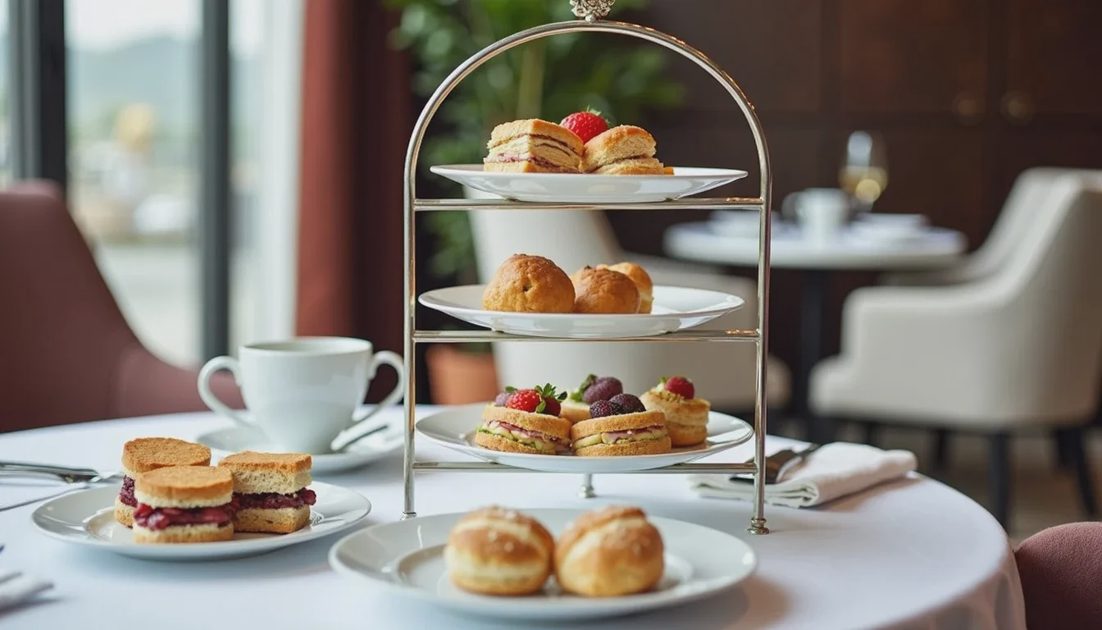
Tourism and hotel marketing in the twentieth and twenty-first centuries often labeled elaborate sweet-and-savory tea services “high tea” because the phrase sounded grander to overseas visitors.
American and other non-British usage frequently adopted “high tea” as a synonym for any formal afternoon tea service.
Popular histories repeated simplified origin stories without checking class and regional variation.
Menus and lifestyle media continued the swap because it had already become familiar.
As a result, many contemporary “high tea” offerings in hotels and tearooms are closer in content and timing to traditional afternoon tea than to the older working-class high tea.
What the Historical Record Actually Shows
Primary sources—letters, household manuals, menus, and social commentary—show that both practices existed and overlapped in complicated ways. Class, region, and century all matter. There was never a single nationwide rule that every Briton followed. Afternoon tea was more strongly associated with elite and middle-class female social life in the Victorian and Edwardian periods; high tea was more strongly associated with substantial early-evening meals in other households.
Later writers sometimes projected a tidy binary backward onto a messier reality. The historical record is less tidy than the popular story.
Practical Guidance for Modern Hosts and Guests
If you are hosting or attending a tea event today, the most useful approach is clarity rather than pedantry:
If the invitation or menu says “afternoon tea,” expect a lighter service of tea, sandwiches, scones, and sweets, usually in the mid-to-late afternoon.
If it says “high tea,” check the actual menu and time. In many commercial settings it will still be an elaborate afternoon-style service; in others it may include more substantial savory dishes.
When writing your own invitations, use the term that matches what you are actually serving and when you are serving it. Guests care more about accurate expectations than about winning an etymology debate.
You can appreciate the historical distinction without policing every modern use of the words. Language changes. Knowing the earlier meanings simply helps you read both history and contemporary marketing with clearer eyes.
Final Thought
Afternoon tea and high tea began as different meals shaped by class, schedule, and domestic space. Marketing and popular memory later scrambled the labels. Understanding the difference does not require you to correct every menu you see. It does allow you to separate historical practice from later branding, and to host or attend with fewer false assumptions.
Every cup has a history. Not every story is true. The afternoon-tea versus high-tea confusion is one of the clearest everyday examples.
No comments yet — be the first to share a thought.