
The short version is that matcha green tea powder is finely ground tea leaf, whisked into water rather than steeped and strained. For a first cup, choose an unsweetened powder from a seller that identifies its origin, use water below boiling, and whisk a small amount into a smooth suspension. You can also make a lovely latte without owning a bamboo whisk.
What makes matcha different from other green tea?
Matcha is associated especially with Japan, where tea plants intended for it are typically shaded before harvest. The processed leaf used to make matcha is called tencha; its stems and veins are removed before the leaf is ground. Because the powder stays in the drink, you consume the leaf along with the water. It will eventually settle, so a little sediment at the bottom of the bowl is normal.
That is different from most loose-leaf green tea, where the leaves infuse the water and are removed. It is also worth checking the ingredients: a package labeled as a matcha latte mix may contain sugar, milk powder, or flavorings. Matcha green tea powder sold on its own should list tea as its ingredient.
The flavor can range from grassy and pleasantly bitter to creamy and savory, depending on the tea and how it is prepared. That savory quality is often called umami. If your first cup tastes sharp, try cooler water or less powder before deciding matcha is not for you.
How to choose matcha green tea powder
Start with your intended cup. For drinking with water, look for an unsweetened tea described by its producer as suitable for whisking. For milk drinks or baking, a culinary matcha can be a sensible choice: its stronger flavor may hold its own against milk, sugar, or flour. These labels are useful clues, not regulated guarantees of quality.
A vivid green color can be encouraging, while a dull brownish or yellowish powder may suggest age or less careful storage. Color alone cannot tell you how a tea will taste, though, and photographs on a screen are a poor substitute for a clear product description. Look for a harvest or packing date when available, a sealed package, and enough information to identify the producer or region.

Japanese growing areas such as Uji in Kyoto Prefecture and Nishio in Aichi Prefecture appear on matcha labels. Both have tea histories, but a place name by itself does not guarantee a particular flavor or freshness. Some packages blend teas from different areas; a reputable seller should be able to explain what it is selling.
Buy a small tin or pouch if you drink matcha only occasionally. A larger bag may have a lower cost per serving, but it gives the powder more time to lose its fresh aroma after opening. Price can reflect production and sourcing, yet an expensive tin is not automatically the one you will enjoy most.
How to whisk a smooth bowl
For one approachable serving, sift about 1 teaspoon of matcha into a bowl. Add roughly 2 ounces of hot water, around 175 degrees Fahrenheit, and whisk briskly until the powder is dispersed and a light foam forms. These are starting proportions, not a test: use more water for a gentler drink or a little less powder if the taste is too assertive.
A bamboo whisk, called a chasen, has fine tines that help break up clumps and create foam. Move it quickly back and forth across the bowl rather than stirring in circles. A small kitchen whisk or handheld milk frother can also work, although the texture may differ. Sifting matters more than owning a particular tool; a small fine-mesh strainer will do.
If you do not have a thermometer, bring water to a boil and let it cool for a few minutes before whisking. The exact temperature will depend on your kettle and room, so treat this as a practical approximation. Avoid pouring boiling water directly over the powder if bitterness has been a problem.
Rinse a bamboo whisk promptly in warm water, gently shake it dry, and let it air-dry with the tines unobstructed. Avoid leaving it soaking, which can damage the bamboo. A bowl with enough room for your hand to move makes the process easier, but an ordinary wide cereal bowl is a perfectly welcoming place to begin.
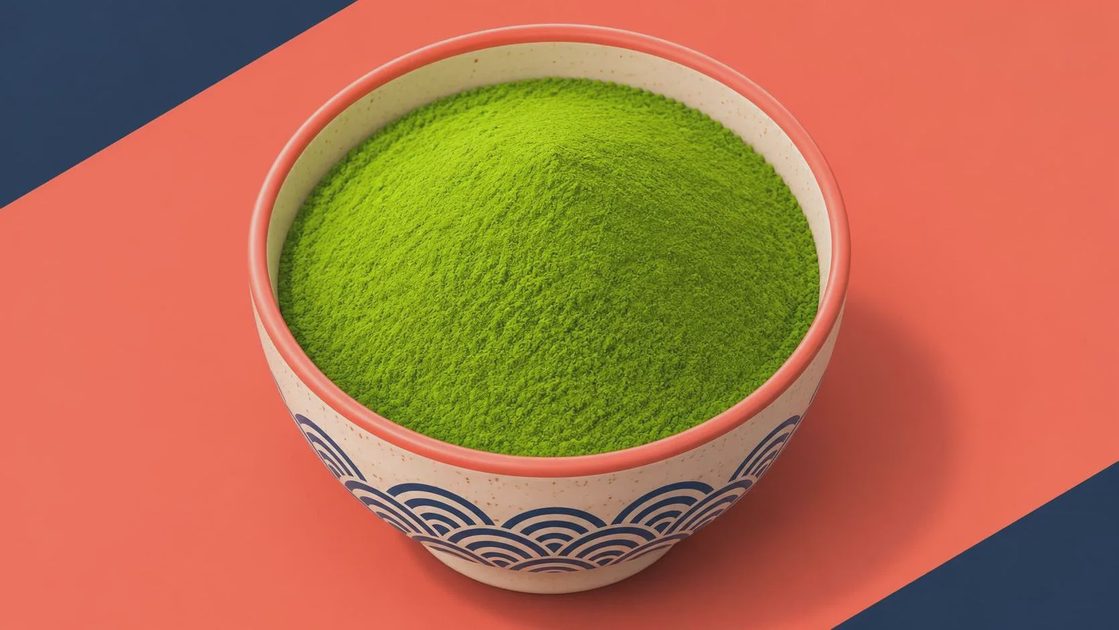
Make a latte or iced drink
To make a latte, first sift and whisk the powder with a small splash of warm water to form a smooth liquid. Add warm milk or a plant-based alternative, then sweeten to taste. Starting with water helps disperse clumps before the milk goes in. For an iced version, make the same smooth mixture, pour it over ice, and add cold milk.
You can also shake sifted matcha and cool water in a securely closed jar. It will be less ceremonial than a bowl and whisk, but useful at a desk or on a warm afternoon. Shake again if the particles settle. Do not shake hot liquid in a sealed jar: pressure can build and cause burns.
The history behind the bowl
Powdered tea has a longer history than any single modern preparation. In China during the Song dynasty, tea was prepared in powdered form and whisked in bowls. Tea practices later developed in Japan in their own ways, including the use of matcha in chanoyu, often translated as the Japanese way of tea.
Chanoyu encompasses much more than a frothy drink: it can involve hospitality, seasonal choices, architecture, utensils, and careful attention to guests. Its practices vary among schools and occasions. A quick morning latte is not a formal tea gathering, but it can be enjoyed without pretending to be one. Every cup has a history. Not every story is true.
Storage and caffeine
Keep matcha green tea powder tightly sealed, away from heat, light, moisture, and strong odors. Refrigeration can help protect an unopened package; follow the seller's instructions. If you refrigerate an opened container, let it come to room temperature before opening to reduce condensation. Use a dry spoon and close the container promptly.
Matcha contains caffeine, and the amount in a cup varies with the tea and the quantity used. Since you consume the powdered leaf, do not assume it is caffeine-free or that every serving is equivalent to a particular cup of coffee. If you are sensitive to caffeine, start with a small serving earlier in the day. There is no need to buy into detox promises to appreciate what is already in the bowl.


No comments yet — be the first to share a thought.