A tea set can be as simple as a mug, infuser, and small plate, or as elaborate as a coordinated collection for several guests. The best tea set is the one that suits the tea you drink, the space you have, and the kind of hospitality you want to practice. Before buying a matching collection, consider how history, material, capacity, and daily maintenance will shape your experience.
What a tea set actually includes
In American shops, the phrase often describes a teapot with matching cups, but the contents vary considerably. A compact tea set might include a pot, two cups, a strainer, and a tray. A British-inspired arrangement may center on a large pot, a sugar bowl, a milk pitcher, and several cups and saucers. A Japanese-influenced set might pair a side-handled pot with small cups, while a Chinese-style set could emphasize a small brewing vessel and several tasting cups.
These arrangements are not interchangeable symbols of one universal tea ceremony. They developed from different domestic habits, serving sizes, ceramics, and social settings. Even the word “teapot” can hide important differences: some pots are designed for generous mugs, while others are meant to pour several quick servings. Think of the pieces as tools before treating them as decoration.
For a first purchase, a useful tea set usually needs only three things: a vessel that pours cleanly, cups that feel comfortable in the hand, and a way to catch leaves. A removable basket infuser is especially practical for black tea, oolong, green tea, and many blended leaves. Very fine herbal particles may require a tighter filter. You do not need a ceremonial collection to make excellent tea.
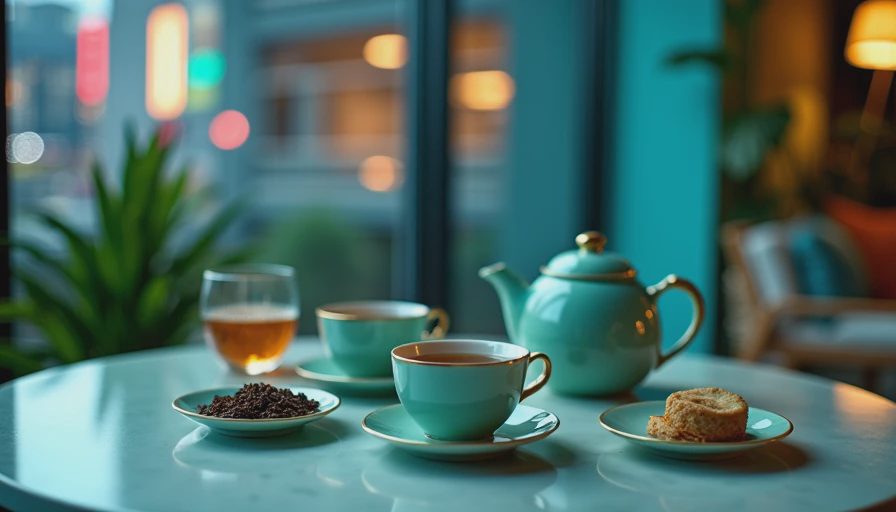
Materials, heat, and everyday care
Ceramic remains a dependable choice because it holds heat reasonably well and does not usually affect flavor. Porcelain is lighter and often thinner, making it pleasant for delicate teas and elegant table settings. Stoneware feels sturdier and retains warmth, though its heavier body may be less convenient for someone who pours several times a day. Glass makes color visible, which is useful when watching rolled leaves unfurl, but it can lose heat faster and needs careful handling.
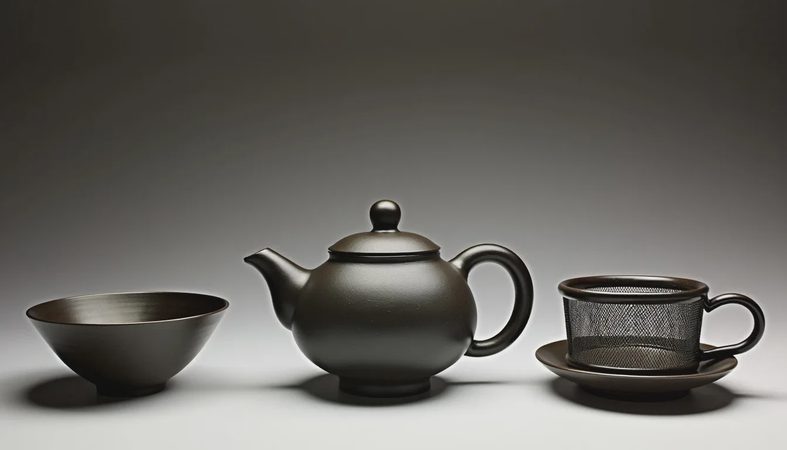
Unglazed clay has a long history in several tea traditions and can become associated with particular styles of tea through repeated use. That quality is part of its appeal, but it also means a clay pot requires more deliberate care. Strongly flavored leaves can linger, and washing with scented soap is generally unhelpful. For a flexible first tea set, glazed ceramic or porcelain is usually easier.
Metal can be attractive and durable, especially for a serving pot or kettle, but the interior finish matters. Stainless steel is generally practical; reactive metals and damaged coatings deserve more caution. Bamboo, wood, and textile accessories add warmth to a tea table but should be kept dry between uses. A pretty tray that cannot tolerate a little spilled water is better displayed than used.
Match the size to the way you drink
Capacity is where many attractive purchases become inconvenient. A pot holding 12 to 16 ounces works well for one person or two small cups. A 24- to 32-ounce pot is more useful when serving a family or a book-club table. Larger pots can encourage tea to sit too long, which often produces a flat or overly strong second cup.
Small vessels are not automatically more sophisticated. They can be practical when tea is brewed in concentrated portions and poured promptly, but they demand more attention. If your weekday routine involves a laptop, school pickup, or a telephone call, choose a size that gives you a little breathing room. A tea set should support your habits rather than create another task to manage.
Measure your favorite mug before shopping. Many cups sold with traditional-looking sets hold between three and six ounces, while a typical American mug may hold 10 to 14 ounces. A set that appears generous in a product photograph may deliver only a few sips. Read the actual capacity, not just the word “large.”
Choosing a style without flattening tradition
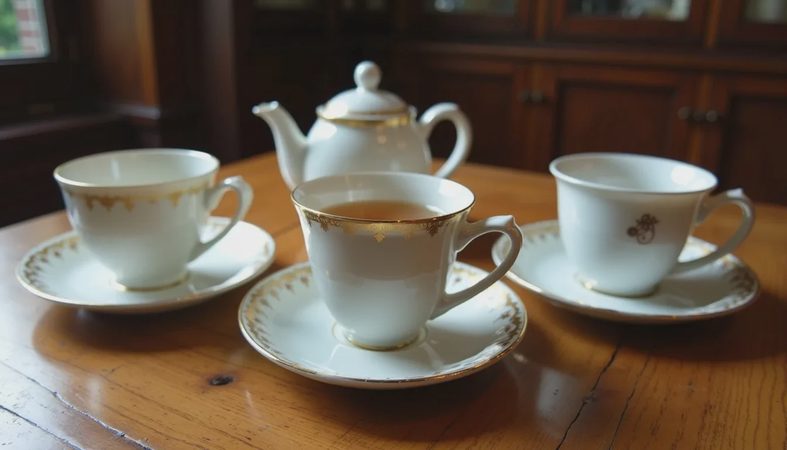
A British tea set often brings to mind porcelain cups, saucers, a pot, and accompaniments for afternoon service. That format is connected to particular histories of trade, class, domestic labor, and social display; it is not simply a timeless rule for drinking black tea. You can borrow the welcoming structure without pretending to recreate every historical detail.
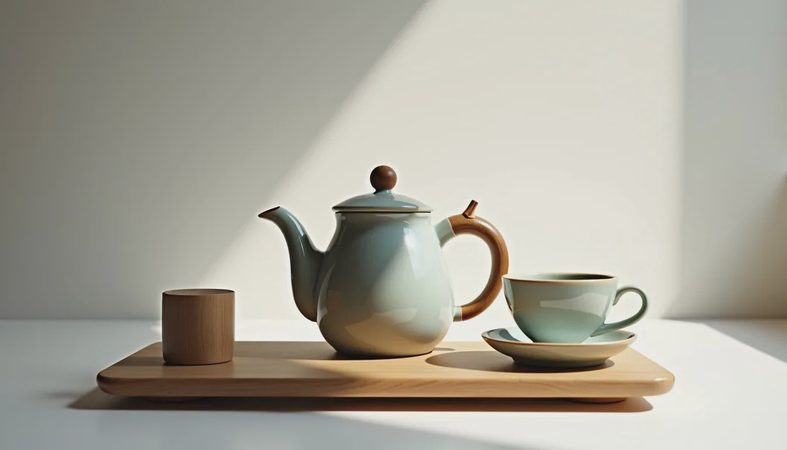
A Japanese kyusu, a side-handled pot, reflects a different relationship between vessel, leaf, and pouring. A small Chinese-style pot may be ideal for tasting several infusions rather than filling one oversized cup. These forms are worth learning about because their design solves practical problems. They are not costume pieces, and no single tradition owns the entire meaning of hospitality.
When browsing a tea set, ask where its design comes from, how it is intended to be used, and whether the seller explains those details clearly. Vague claims about ancient secrets or guaranteed authenticity are less useful than information about clay, capacity, production, and care. Every cup has a history. Not every story is true.
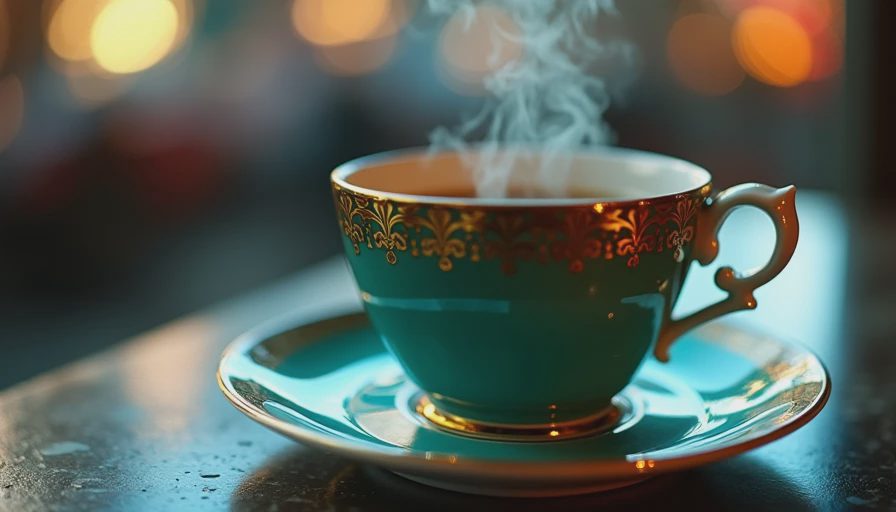
A practical buying guide for different homes
For a small apartment, choose a stackable tea set with two cups and a pot under 20 ounces. A smooth glazed finish, dishwasher-safe construction, and a built-in or removable strainer will make weekday use straightforward. If you work from home, a lidded mug infuser may be more useful than a formal multi-piece collection.
For hosting, prioritize a stable tray, a pot with a comfortable handle, and cups that can be replaced individually. Sets priced around $35 to $80 often provide a good starting point, while handmade pottery may cost $60 to $200 or more because of labor, firing, and limited production. Price alone does not establish cultural importance or quality; inspect the pour, glaze, balance, and return policy.
For a gift, avoid assuming that matching pieces are always best. A thoughtful combination might include a sturdy pot, two neutral cups, a stainless-steel infuser, and a small supply of loose-leaf tea. Someone who already owns teaware may appreciate a tray, tea towel, or storage tin more than another decorative vessel. Ask about cabinet space and preferred tea before choosing a large tea set.
Build a ritual that remains yours
Set the pot near the kettle, store tea away from light and moisture, and keep a small cloth nearby for drips. Warm the vessel if you like, measure the leaves consistently, and use a timer while learning a new tea. These small steps make flavor easier to repeat, but they are invitations rather than tests of expertise.
You can use a tea set for a quiet morning, a family dessert, or a table where guests taste three teas side by side. Serve tea bags in a cup without apology; convenience has its own place in domestic life. At the same time, loose leaves can show how water temperature, steeping time, and vessel shape influence a cup.
The strongest purchase is rarely the most ornate one. It is the tea set that pours without dribbling, fits your shelves, survives regular washing, and encourages you to sit down for five minutes. Learn the history behind its form, respect the tradition it comes from, and adapt the ritual honestly to your home. You can appreciate the beauty of inherited customs without performing expertise.

No comments yet — be the first to share a thought.