Tea pets are small figurines kept on a tea tray, especially in brewing practices associated with gongfu-style tea. They might look like animals, mythical creatures, people, or cheerful little objects, but their purpose is more than decoration. A tea pet gives repeated brewing a visible, tactile dimension: over time, it becomes part of the table, the conversation, and the memory of shared cups.
The short version is simple. You place the figurine on or beside a tea tray and pour spare hot water or rinsing water over it. Unglazed clay gradually darkens and develops a tea-stained surface. This is a quiet ritual rather than a requirement for making good tea, and it is one tradition among many, not a universal rule.
What are tea pets?
Tea pets are usually made from Yixing-style clay, ceramic, stone, wood, or other durable materials. Many are small enough to fit in one hand. Common forms include frogs, pigs, elephants, dragons, lions, turtles, monks, children, and imaginative creatures. Some have moving parts, such as a hollow body that fills with water or a figure that changes color when warmed. Others are simply solid sculptures with no functional feature at all.
The most practical role of tea pets is to receive water that would otherwise spill across the tray. During a gongfu session, a brewer may warm cups, rinse leaves, or pour excess water into a tray. Directing some of that water over a figurine makes cleanup feel intentional. A tea pet can also serve as a small visual marker of repeated use, much like a well-handled teapot or a favorite cup.
The materials matter. Unglazed clay absorbs moisture and tea residue, while glazed ceramic generally remains easier to wipe clean. Neither is automatically better. The right choice depends on whether you want visible patina, easy maintenance, or a particular sculptural style.

The history behind the ritual
The historical record is less tidy than the popular story. Tea pets are strongly associated with contemporary gongfu tea practice and with the wider material culture of tea tables in southern China and Taiwan. Collectors and tea drinkers often describe them as an old custom, but it is difficult to assign one precise origin date or a single founding meaning to every figurine.
What is clear is that tea objects often combine usefulness, symbolism, humor, and personal taste. A small animal can make a formal-looking tea setup feel domestic and relaxed. A prosperous-looking pig may suggest abundance in a modern buying guide, while a turtle can be appreciated simply because its shape is appealing. These interpretations are possibilities, not fixed translations.
This distinction matters when discussing cultural objects. A seller may give a figurine an elaborate symbolic explanation, but the explanation may reflect recent marketing, regional folklore, or a collector’s interpretation rather than a documented historical rule. Every cup has a history. Not every story is true. You can appreciate the ritual without performing expertise or treating one object as a universal emblem.
How to use tea pets at home
Using tea pets is easy, and you do not need a dedicated tea room. Put the figurine on a tea tray, saucer, or shallow ceramic dish near your kettle and brewing vessel. During a session, pour warm water over it occasionally. Avoid treating the object like a target; a gentle stream is enough to wet its surface without splashing tea onto nearby books or electronics.
If the piece has a hollow chamber or a small opening, follow the maker’s instructions. Some designs are intended to fill and empty repeatedly, while others are decorative and can trap liquid. Do not assume that a color-changing coating is safe for boiling water unless the product information says so. Warm water is usually sufficient for a daily routine.
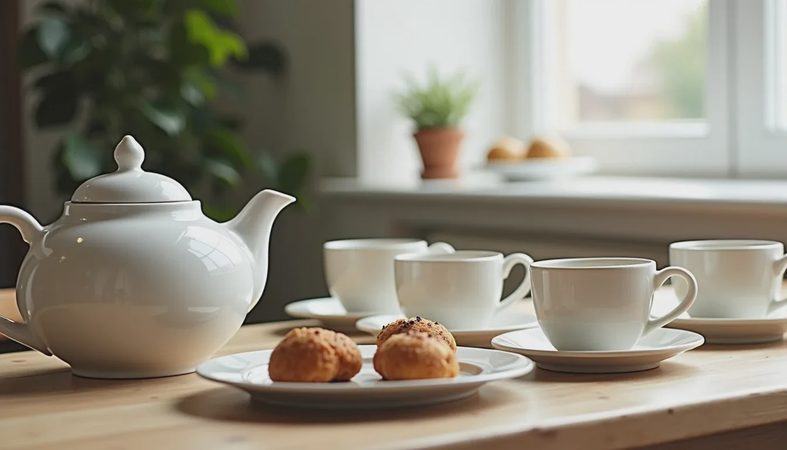
Tea pets work especially well with a small teapot or gaiwan, a fairness pitcher, and several tasting cups. They can also sit beside a Western-style teapot during a relaxed weekend brew. The point is not to imitate a ceremony perfectly. It is to give ordinary actions—warming, pouring, waiting, and talking—a little more continuity.
Choosing a figurine without buying a story
When shopping for tea pets, begin with construction rather than symbolism. Look for a stable base, smooth edges, and a shape that can be cleaned. A figurine with deep cracks, sealed cavities, or decorative paint that flakes under warm water may become frustrating quickly. For an entry-level piece, a simple clay animal or glazed ceramic form often costs about $10 to $35. Handmade studio pieces can run from $40 to well over $100, depending on size, clay, labor, and the maker’s reputation.
Tea pets do not need to match your teapot. Contrast can be more interesting: a plain clay figure beside a pale porcelain gaiwan, or a bright ceramic animal on a dark bamboo tray. Consider scale, too. A large sculpture can dominate a small tray and collect stray leaves, while a tiny figure may disappear among cups and tools.
Ask whether the object is food-safe only if you plan to drink from it. A tea pet generally does not need to meet the same standards as a cup because it is not used for drinking, but coatings and paints should still be suitable for occasional contact with hot water. Transparent product descriptions are more useful than claims about rarity or guaranteed symbolism.

Cleaning and developing a patina
The appeal of tea pets often lies in gradual change. Unglazed clay can become darker or more lustrous with regular use, especially when it receives tea rinse water. This is a patina, not proof that the object has absorbed a particular tea’s spirit or improved the flavor. Treat those statements as poetic language rather than measurable fact.
After brewing, empty the tray and rinse the figurine with plain water. Let it dry completely before placing it in a closed cabinet. A soft brush can remove leaves from grooves. Avoid dish soap, bleach, abrasive pads, and prolonged soaking, since these can leave odors, alter the surface, or loosen painted details. If the figurine develops a sour smell, rinse it thoroughly and give it several days of open-air drying.
Do not force an even color. Tea pets may darken irregularly, and that unevenness records how the object is handled. If you prefer a clean appearance, choose glazed ceramic and wipe it after every session. If you enjoy visible use, unglazed clay will offer more change over time.
A thoughtful place in a modern tea routine
Tea pets can be playful without becoming cultural props. Learn the broad context, avoid claiming that your chosen animal has one universal meaning, and let the object serve your own hospitality. A child might enjoy giving the figurine water during family tea. A book club might use it as a small centerpiece. Someone working from home might keep one beside a mug as a reminder to pause between tasks.
For a first purchase, choose tea pets that are sturdy, understandable, and pleasing to look at when no tea is brewing. Spend $15 to $30 on a form you will enjoy seeing, then use it regularly rather than saving it for an imagined perfect session. Whether you brew roasted oolong, green tea, black tea, or an herbal infusion, the ritual can remain informal.
The best tea pets do not promise secret transformation. They make repetition visible. A figurine gathers the marks of mornings, visitors, rainy afternoons, and conversations that lasted longer than expected. That is enough meaning for an object on a tea tray, and it leaves room for your own history to develop alongside every cup.
No comments yet — be the first to share a thought.