
The short version is that honey citron ginger tea is a sweet, tart citrus-and-ginger drink made by stirring a fruit preserve into hot water, or by steeping fresh ingredients and adding honey. It is usually caffeine-free when prepared without tea leaves. For the easiest cup, start with a spoonful of prepared citron-ginger syrup or preserve, add hot water, and adjust to taste. The fragrant peel left in the cup is part of the pleasure.
What is in honey citron ginger tea?
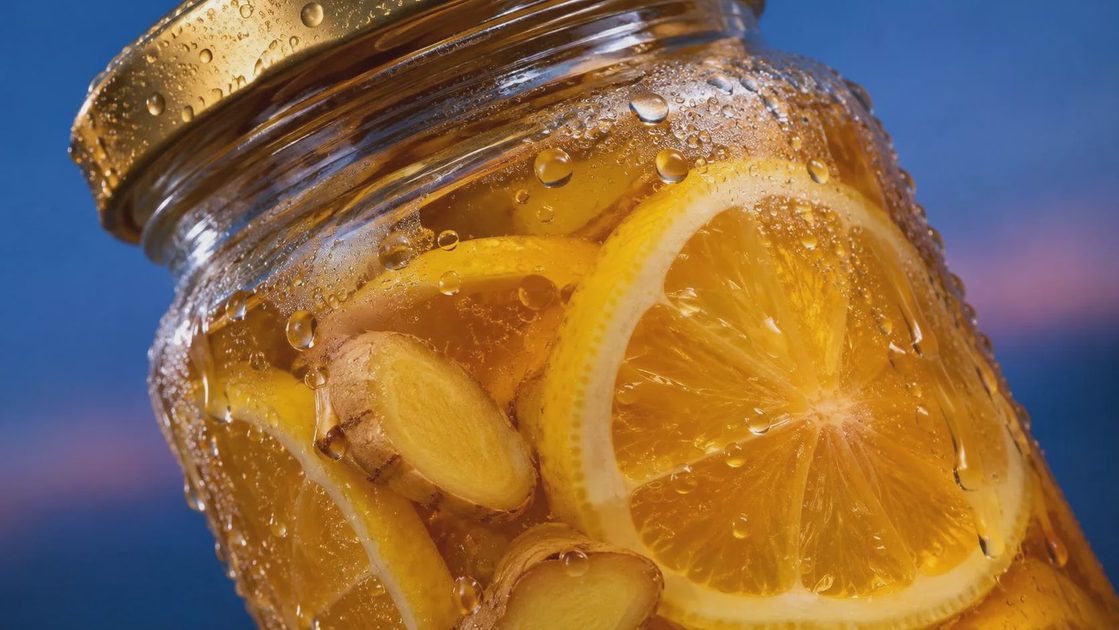
A typical jar contains citrus peel and juice, sweetener, and ginger suspended in a thick, spoonable mixture. Despite the name, a product labeled “honey” may also contain sugar or other sweeteners. The citrus may be identified as citron or yuzu; read the ingredient list if you want to know exactly what is in your jar. Recipes and commercial versions vary, and not every citron drink includes ginger.
The citrus contributes a floral aroma, a bright edge, and a little bitterness from the peel. Ginger adds warmth, while honey rounds out the sharper flavors. You can eat the softened peel after drinking, leave it in the cup, or strain it out. None of those choices is a breach of etiquette.
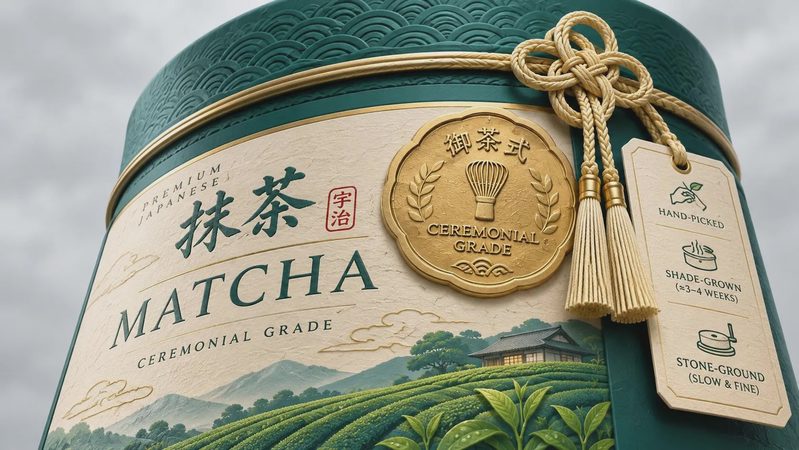
The drink is called tea in the broad sense of an infusion, but it does not necessarily contain leaves from the tea plant, Camellia sinensis. That distinction matters if you are avoiding caffeine: a plain citrus-and-ginger preparation is generally caffeine-free, but a blend with black or green tea is not.
How to make a cup from a jar
Spoon about one to two tablespoons of the preserve into a mug, then add roughly eight ounces of hot water. Stir until the syrup dissolves. Taste before adding more: the sweetness and citrus intensity vary considerably between brands. A little more water softens an overly sweet cup; another small spoonful brings forward the fruit and ginger.
Water that has just boiled works for most preserves, though you can let it cool briefly if you prefer to drink sooner. There is no need for the precise temperatures used for some green teas. If the peel collects at the bottom, give the mug another stir before the last sip.
For an iced version, dissolve the preserve first in a small amount of hot water, then add cold water and ice. This helps the thick syrup mix evenly. A squeeze of fresh lemon can add tartness if a jar tastes sweeter than you like.
The same preserve can also flavor plain yogurt or be spooned over toast. Use a clean spoon when dipping into the jar, and follow the maker's directions for refrigeration and storage after opening.
A fresh-ingredient version for one mug
If you do not have a jar, you can make a related drink with fresh ginger, citrus, and honey. It will not have quite the same texture or depth as a preserved-peel mixture, but it is a satisfying way to explore the flavors.
Thinly slice a piece of fresh ginger about an inch long. Put it in a small saucepan with one cup of water, bring to a gentle simmer, and cook for five to ten minutes. Strain into a mug, then add one to two teaspoons of honey and a squeeze of lemon or another fragrant citrus. Taste and adjust. For a stronger ginger flavor, use more ginger or extend the simmer by a few minutes.
A strip of well-washed citrus peel can go into the saucepan too. Use only the fragrant outer layer if you want a gentler cup; the white pith can contribute bitterness. Remove the peel before serving, or leave it in if you enjoy its texture. Fresh yuzu can be difficult to find in many U.S. grocery stores, and lemon makes a useful, if different-tasting, substitute.
Honey should not be given to children younger than one year old. For an older child or anyone who prefers a less intense drink, dilute the ginger infusion and adjust the sweetness.
The Korean connection: yuja and preserved citrus
This style of drink has a close connection to Korean yuja-cha, a citrus infusion made with yuja, a fragrant citrus fruit often called yuzu in Japanese. The Korean word cha can refer to tea and other drinks served in a similar way. Yuja-cheong is a sweetened yuja preserve that can be mixed with water to make the drink. Ginger is a welcome addition in some preparations, rather than a requirement for every cup.

The jar is a practical object as well as an ingredient: it holds sliced fruit in a sweet mixture that can be portioned out by the spoonful. Similar-looking products and recipes have traveled into different kitchens and stores, where names and ingredients may change. A label alone does not tell the whole history of the drink inside.
Every cup has a history. Not every story is true. I would be cautious of claims that assign this drink a single ancient inventor or promise that every household prepares it the same way. It is more useful to recognize a specific Korean preparation while leaving room for the many ways people adapt citrus drinks at home.
Sweetness, storage, and sensible expectations
A warm mug can feel soothing, especially when the ginger is fragrant and the citrus is bright. That is a sensory pleasure, not proof that the drink prevents or treats an illness. Commercial preserves can be quite sweet, so check the nutrition label if added sugar matters to you. Diluting the mixture changes the flavor and the amount of sweetness in each mug, but it does not remove the sugar already in the spoonful.
Store a purchased jar as its label directs, and discard it if you notice mold or other signs of spoilage. For the fresh-ingredient version, make only what you plan to drink promptly; refrigerate any leftovers and use them within a couple of days. A homemade mixture of fruit and honey should not be assumed shelf-stable without a tested preservation method.
Whether you choose a prepared preserve or a saucepan of fresh ginger, start with a small amount of sweetener and let the citrus speak. You can appreciate the ritual without performing expertise.



No comments yet — be the first to share a thought.