The short version is simple: unsweetened iced tea is brewed tea served cold without added sugar, syrup, or artificial sweetener. It can be made with black tea, green tea, oolong, white tea, or herbal infusions, and its character changes with every choice. A glass can taste brisk and malty, grassy and delicate, floral, smoky, or quietly fruity. That range is what makes it more interesting than a single bottled beverage category.
For many Americans, unsweetened iced tea is associated with restaurant pitchers, summer porches, and large glasses filled with ice. Yet cold tea has a more varied story. Tea was already being cooled and served in different forms before modern refrigerators made ice widely convenient, while American iced tea developed through cookbooks, hotels, social gatherings, and commercial bottling. Every cup has a history. Not every story is true.
What Makes Unsweetened Iced Tea Worth Brewing?
Unsweetened iced tea lets the leaf speak plainly. Without sugar covering bitterness or acidity, you can notice aroma, texture, and finish more clearly. A strong Assam-style black tea can bring malt and dried fruit. A Japanese green tea may suggest steamed greens and fresh herbs. A lightly roasted oolong can offer toasted grain, peach, or orchid-like fragrance. These descriptions are invitations to pay attention, not tests you have to pass.
There is also a practical advantage. Unsweetened iced tea works with breakfast, lunch, and dinner because it does not automatically make the drink taste like dessert. It can cut through a rich sandwich, accompany grilled vegetables, or sit beside a slice of lemon cake without competing with it. If you usually drink soda or sweetened tea, switching to unsweetened iced tea can be a useful way to explore flavor without needing an elaborate tea setup.
The best starting point is not an expensive collector's tea. Choose something fresh, clearly labeled, and easy to brew. A box of quality black tea bags, a loose-leaf sencha, or a fragrant jasmine green tea can all produce a satisfying pitcher.

How to Brew It Without Bitterness
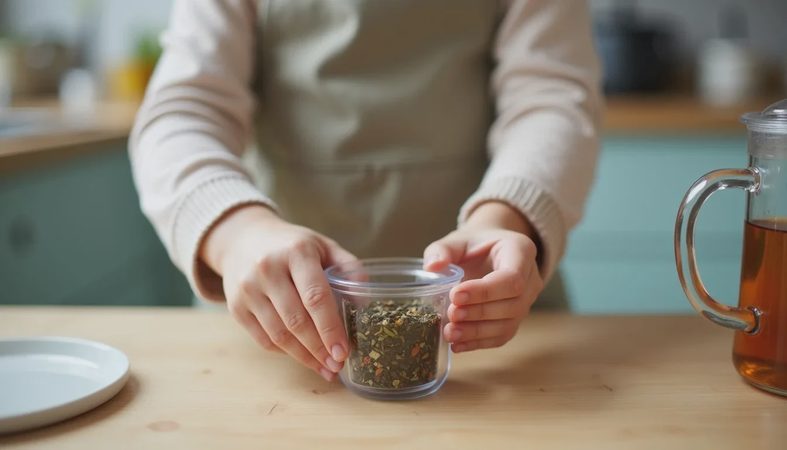
The easiest method is hot brewing followed by rapid cooling. Use about four tea bags or four teaspoons of loose tea for a quart of water, then adjust the amount to taste. Heat the water according to the tea: boiling water suits most black teas, while green and white teas usually benefit from cooler water. Pour the water over the leaves, steep for the recommended time, and remove the leaves before the tea becomes harsh.
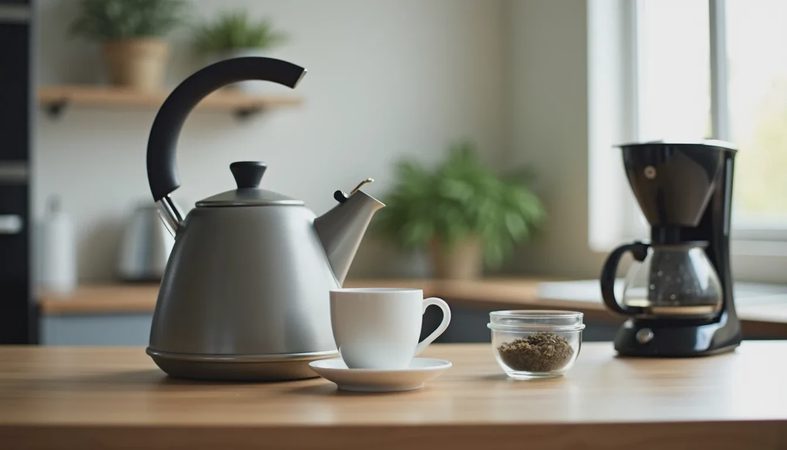
Let the brewed tea cool for several minutes, then pour it over a pitcher filled with ice. This creates a clear, lively drink quickly. If the tea tastes thin, use more leaf next time rather than extending the steeping time. If it tastes astringent, reduce the temperature or brewing time. A digital kettle with temperature settings is helpful, but a saucepan and a kitchen thermometer are perfectly adequate.
Cold brewing is gentler. Place tea leaves or bags in cold water, cover the container, and refrigerate it for six to twelve hours. This method often produces unsweetened iced tea with less bitterness and a softer aroma, although it requires planning. Try one tablespoon of loose black tea per quart, then strain in the morning. Store the finished tea in the refrigerator and use a clean glass pitcher with a lid.
Tea Traditions, Ice, and the American Glass
The familiar American pitcher did not emerge from one timeless tradition. Iced tea became especially visible in the United States through nineteenth- and early twentieth-century cookbooks, summer entertainments, restaurants, and regional hospitality. Black tea was commonly brewed strong enough to survive chilling and dilution, then served with ice and sometimes lemon. Sweet tea developed its own powerful regional identity, particularly in the South, but unsweetened iced tea remains an important option across the country.
Elsewhere, cold tea practices take different forms. In Japan, chilled green tea is now a routine convenience, available at home, in restaurants, and from vending machines. In other places, tea may be cooled for practical reasons, paired with fruit, or prepared as a concentrated drink. These practices should not be collapsed into one universal idea of iced tea. This is one tradition, not the only tradition.
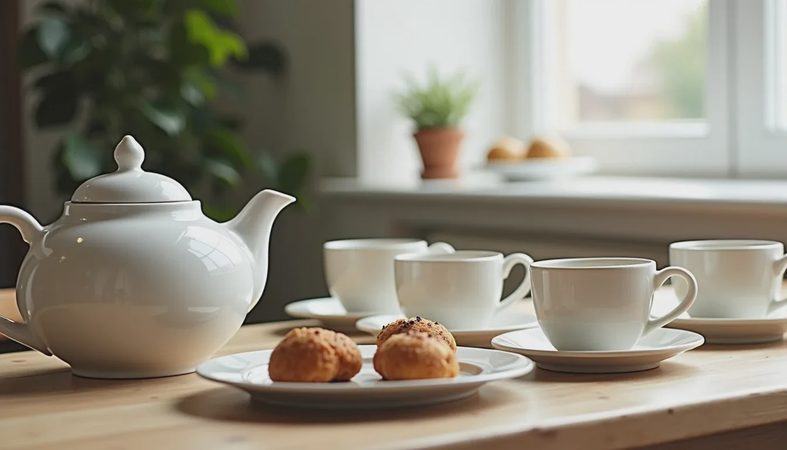
The vessel matters, too. A thick tumbler keeps condensation from soaking a table, while a glass pitcher makes color visible and suits a shared meal. You can appreciate the ritual without performing expertise. A clean jar, a strainer, and a few minutes of attention are enough.

Choosing Tea for a Better Pitcher
For a classic, dependable unsweetened iced tea, look for black teas labeled Assam, Ceylon, breakfast blend, or simply black tea. These tend to retain their structure when chilled. Darjeeling can be more floral and light, while a smoky tea such as lapsang souchong is striking but better suited to small servings or savory food.
Green tea offers a brighter profile, but it is easier to overbrew. Japanese sencha can taste vegetal and refreshing; Chinese-style pan-fired greens may have nutty or chestnut-like notes. Use cooler water and taste early. Oolong occupies the middle ground, with options ranging from fresh and floral to dark and roasted. It is especially rewarding for cold brewing because the lower temperature can reveal gentle fragrance.
Herbal infusions are not technically tea unless they contain leaves from the tea plant, but they make excellent caffeine-free cold drinks. Hibiscus brings tartness and deep color, mint feels cooling, and rooibos offers a round, naturally sweet impression without added sugar. Read ingredient labels if you have allergies or want to avoid flavorings.
When buying, spend money on freshness and useful packaging before chasing rare names. A resealable pouch, harvest information, and a clear ingredient list are more valuable than dramatic claims about purity or authenticity. The historical record is less tidy than the popular story, and the same is true of tea marketing.
Building a Small Daily Ritual
A pitcher of unsweetened iced tea can become a quiet household ritual rather than a rushed substitute for another beverage. Brew it after breakfast, strain it into a glass container, and place it where you will remember it. Add a lemon wedge only when serving so the whole pitcher does not become overly acidic. Cucumber, mint, or a strip of orange peel can provide fragrance without turning the drink into a sugary punch.
For workdays, fill a reusable bottle with unsweetened iced tea and keep a second batch in the refrigerator. For a weekend meal, serve two styles side by side: a brisk black tea and a floral oolong. Guests can compare them without needing specialized vocabulary. Ask which one feels brighter, drier, or more aromatic. That kind of conversation is more useful than declaring one tea the correct choice.
Keep refrigerated tea clean and chilled, and make smaller batches if your household drinks slowly. Freshness is part of the pleasure. A batch that has sat too long can lose aroma even when it remains drinkable.
A Simple Starting Recipe
Begin with one quart of filtered water and four black tea bags, or roughly four teaspoons of loose leaf. Heat the water to a full boil, pour it over the tea, and steep for three to five minutes. Remove the tea, cool the liquid briefly, and pour it over ice. Taste before adding lemon. The first glass of unsweetened iced tea should be a reference point, not a final exam.
Next time, change only one variable. Use less leaf, a shorter steep, cooler water, or a different tea. Keeping the experiment small helps you understand what your palate actually prefers. A breakfast black tea may work best at lunch, while a delicate green tea may be more enjoyable in the morning or with a light meal.
The pleasure of unsweetened iced tea is its openness. It can connect a modern kitchen to older brewing habits without pretending that one method represents every culture. Start with a familiar glass, then follow the flavor toward something new. Every cup has a history, and you get to decide how thoughtfully to continue it.
No comments yet — be the first to share a thought.