
To steep tea is simply to let leaves, flowers, roots, or herbs rest in hot water so their flavor and color move into the cup. When someone says steep tea, they are describing a method rather than a particular variety. The short version is straightforward: use suitable water, give the ingredients enough time, then remove them before the flavor becomes harsh. The interesting part is that timing, temperature, and equipment reflect both the tea itself and the tradition surrounding it.
For most American kitchens, steeping requires only a mug, a kettle, and a strainer. You do not need an expensive gaiwan, a silver pot, or an elaborate tea table. A practical ritual can still have depth. Every cup has a history, although not every story about tea is true.
What it means to steep tea
When you steep tea, hot water draws soluble compounds from the prepared leaf. Black tea, green tea, oolong, white tea, and fermented teas all respond differently because they have different levels of oxidation, rolling, drying, and aging. Herbal infusions such as chamomile or peppermint are not technically tea unless they contain the Camellia sinensis plant, but everyday speech commonly includes them under the same umbrella.
The phrase steep tea often appears in recipes because it leaves room for adjustment. A recipe may say to steep tea for five minutes, while a tea vendor may recommend two minutes for the same broad category. Neither instruction is automatically wrong. Leaf size, water temperature, vessel shape, and personal taste all matter. A teaspoon of finely broken tea in a small infuser extracts faster than large, twisted leaves in a roomy pot.
Water quality also affects the result. Fresh, cold water usually produces a brighter cup than water that has been repeatedly boiled. If your tap water tastes strongly of chlorine or minerals, filtered water can make a noticeable difference without requiring specialty equipment.
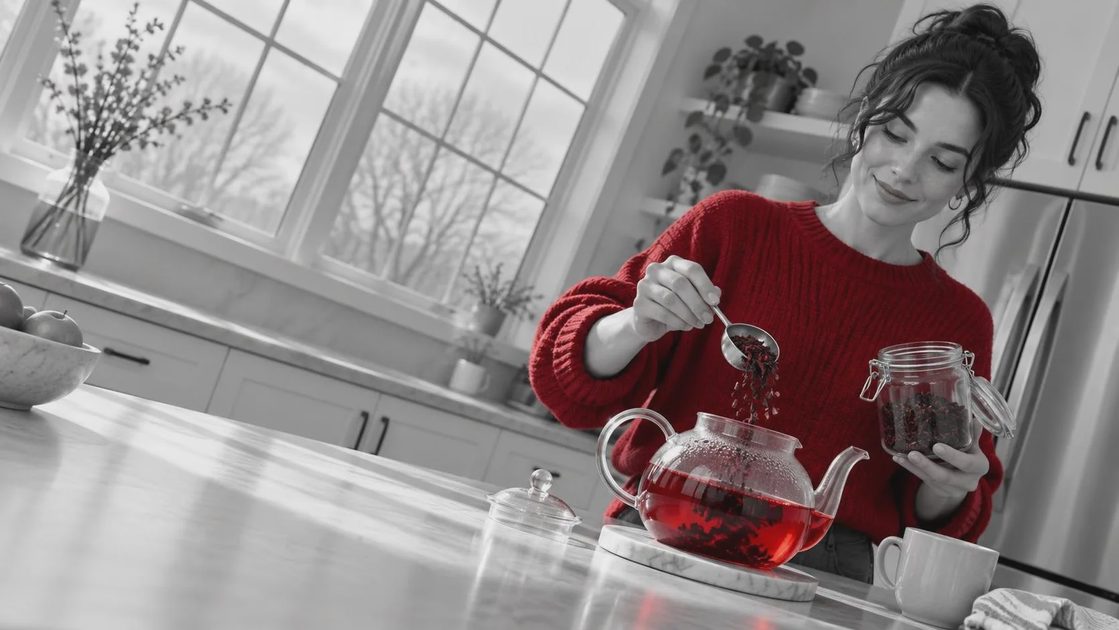
How to steep tea without guesswork
Start by matching the water to the leaf. Black tea generally works well with water near a full boil, around 200 to 212 degrees Fahrenheit. Green tea is often better with cooler water, roughly 160 to 180 degrees, because boiling water can emphasize bitterness. White tea and many oolongs fall between those ranges, though their recommendations vary widely. For herbal blends, boiling water is common, especially when the ingredients are dense flowers, bark, or roots.
If you do not own a thermometer, let boiling water sit for a minute or two before pouring it over green or delicate white tea. That simple pause is more useful than treating one number as a universal law. To steep tea well, cover the cup or pot during the wait. A lid keeps heat in and captures aromatic compounds that would otherwise drift away.
Use a timer at first. A useful starting point is two to three minutes for green tea, three to five minutes for black tea, and four to five minutes for many herbal blends. Taste before adding more time. If the cup is weak, extend the next infusion by thirty seconds. If it is drying or sharp, shorten the time or lower the temperature. More leaves with less time can taste different from fewer leaves with more time, so change one variable at a time.
Steep tea by type, not by a single rule
Green tea rewards attention because its flavor can move quickly from fresh and grassy to bitter. Japanese steamed greens often prefer cooler water and shorter infusions than many pan-fired green teas. This is one tradition, not the only tradition, and the package instructions are a sensible starting point.
Black tea is usually more forgiving. Assam, Ceylon, and many breakfast blends can handle hotter water and a longer infusion. That is why black tea became so practical for large pots and breakfast tables. Still, a delicate whole-leaf black tea may taste better at three minutes than a dusty teabag left for seven.
Oolong occupies a broad middle ground. Lightly oxidized oolong can be floral and bright, while darker styles can suggest toast, fruit, or roasted grain. In small-pot brewing traditions, people steep tea repeatedly, using short infusions that reveal changing flavors. At home, you can imitate the idea with a teaspoon of leaves in a small pot, tasting each round.
White tea is often described as delicate, but that does not mean it must be brewed timidly. Large leaves and buds can tolerate more time than beginners expect. Pu-erh and other aged or fermented teas may be rinsed briefly before drinking in some preparation styles. That rinse is a customary technique, not a mandatory cleansing step.
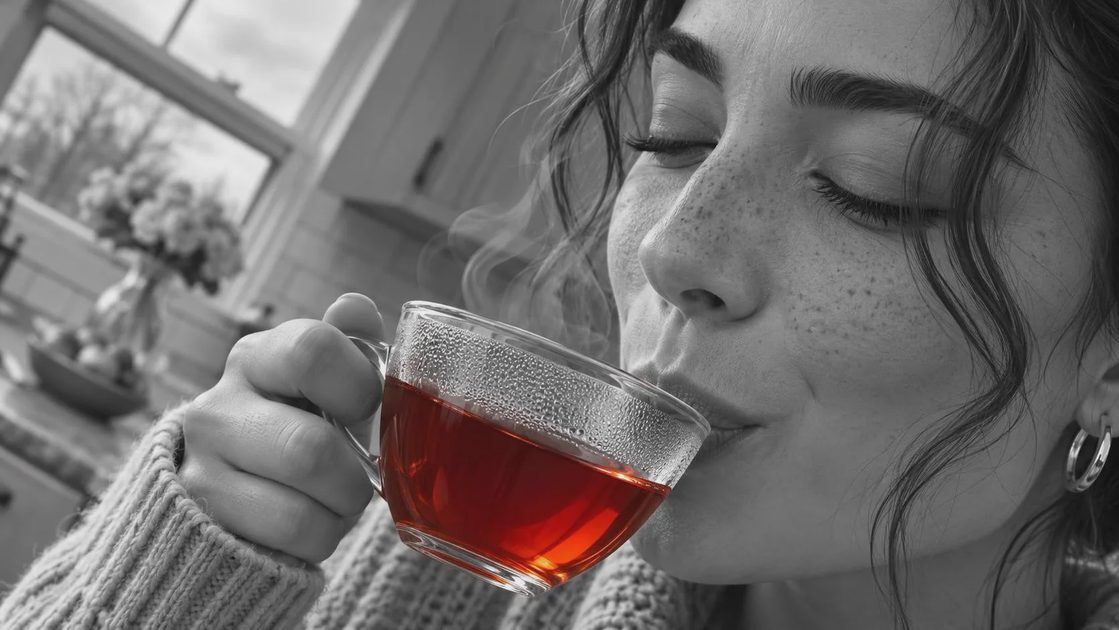
The tools that make steeping easier
A basket infuser is often more practical than a small metal ball because leaves need room to open. Look for a basket that sits securely inside your mug and allows water to circulate around the leaves. A teapot with a built-in strainer works well when serving several people, while a simple glass measuring cup can serve as a useful temporary brewing vessel.
Material changes the experience. Porcelain and glazed ceramic are neutral and easy to clean. Glass lets you watch leaves unfurl and is especially helpful when learning how much space a tea needs. Unglazed clay can absorb aroma over time, which is part of its appeal, but it is better reserved for one broad tea style rather than switching constantly between mint, flavored blends, and roasted oolong.
Do not squeeze a tea bag or press wet leaves against the strainer just to force out more color. That action can release more bitter compounds and does not necessarily improve strength. If you want a stronger cup, use more tea or adjust the infusion deliberately.
A simple steep tea ritual for everyday life
For a weekday mug, measure one level teaspoon of loose leaf for every eight to twelve ounces of water, depending on the leaf and your preference. Warm the mug if you like, pour in the water, cover the vessel, and start the timer. When the time ends, remove the leaves completely. Add milk, lemon, honey, or sugar after tasting, unless a familiar family recipe tells you otherwise.
For a weekend pot, warm the pot first, then use enough leaf for the volume you plan to serve. Set out a small pitcher of milk or a slice of lemon rather than assuming every guest wants the same additions. British afternoon tea developed its own social conventions, while Japanese, Chinese, Moroccan, South Asian, and American tea practices organize hospitality differently. No single presentation represents tea everywhere.
A child can steep tea with supervision, especially when using cooler water and a stable mug. Clara, my daughter, likes watching large leaves open in a glass pot; the visual change makes patience tangible. That is one reason tea remains a useful household ritual rather than merely a caffeinated beverage.
Common mistakes and better fixes
The most common mistake is using boiling water for every tea. The second is leaving every infusion in the cup until it cools. A third is judging quality by color alone. Some teas become dark quickly but taste thin, while pale teas can be fragrant and full-bodied.
If your tea tastes bitter, lower the temperature, shorten the time, or use fewer leaves. If it tastes flat, try fresher water, a larger dose of leaf, or a longer infusion. If the aroma disappears, cover the vessel and avoid an oversized mug that cools quickly. Clean your infuser regularly, especially after flavored tea, because oils and spices linger.
The best way to steep tea is not to memorize one perfect chart. Learn the character of the leaf, begin with a reasonable guideline, and make small adjustments. You can appreciate the ritual without performing expertise. A good cup is an invitation to pay attention, not a test you can fail.



No comments yet — be the first to share a thought.