Tea cup tea is an awkward-looking phrase, but it points toward a useful question: what kind of cup makes tea more enjoyable? The short version is that the best vessel depends on the tea, the quantity you want, how quickly you drink, and the ritual you hope to create. A delicate green tea behaves differently in a thin porcelain cup than a strong breakfast blend in a large ceramic mug.
A cup is not merely decoration. Its shape affects aroma, its material affects heat, and its size influences how long the tea stays pleasant. You do not need a cabinet of rare antiques to appreciate these differences. One well-chosen cup and a reliable kettle can transform an ordinary afternoon pause.
What “tea cup tea” can mean
People use the phrase tea cup tea in several ways. They might be searching for a teacup designed for drinking tea, asking about tea served in a cup rather than a pot, or looking for a simple tea ritual that fits modern life. It can also describe the relationship between a beverage and the object holding it: a small cup encourages slower, more frequent pours, while a large mug supports a longer work session.
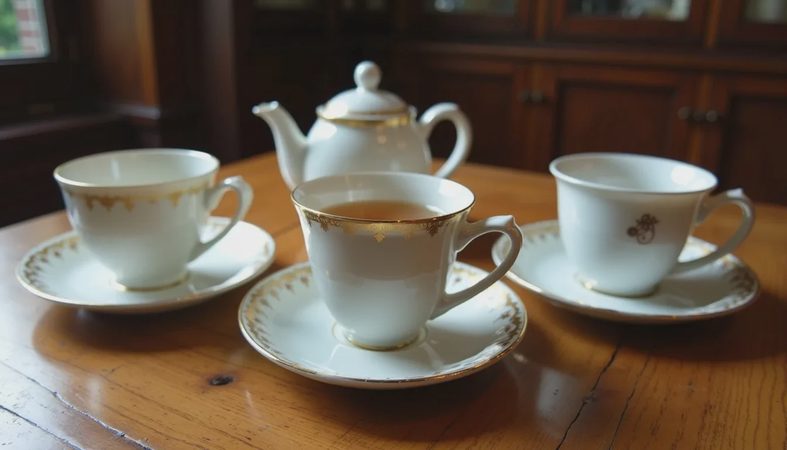
The historical record is less tidy than the popular story that every tea culture has one correct cup. In Britain, porcelain teacups became associated with afternoon tea, but everyday households have always used a range of ceramics and glassware. In Japan, small cups are linked with particular teas and serving contexts, while larger handled mugs are common in contemporary homes. Across many regions, practical use has mattered as much as formal etiquette.
This is one tradition, not the only tradition. You can appreciate the ritual without performing expertise, and you can drink excellent tea from a sturdy diner mug.
Match the cup to the tea
For green tea, a small or medium cup with a broad opening helps the drink cool quickly and lets fresh, grassy aromas reach your nose. Unglazed clay can be beautiful, but it may absorb aromas over time, so glazed porcelain or glass is easier for beginners who want to taste different teas from the same vessel.
Black tea generally works well in a cup holding 8 to 12 ounces. A rounded ceramic shape retains warmth, while a slightly flared rim makes a brisk Assam, Ceylon, or breakfast blend feel less concentrated on the palate. If you add milk, sugar, or lemon, choose a cup with enough room to stir without spilling.
Oolong tea benefits from a smaller cup when you are tasting several infusions. The compact size encourages attention to changing aromas and flavor. White tea can be served in porcelain, glass, or a shallow cup that lets you observe the pale liquor. Herbal infusions often suit a larger mug, especially when the ingredients include chamomile, mint, or pieces of dried fruit.

Cup materials and what they change
Porcelain is a dependable all-purpose choice. It is relatively neutral in flavor, easy to clean, and available in shapes ranging from formal British teacups to simple café-style cups. White porcelain also makes it easier to judge the color of the infusion.
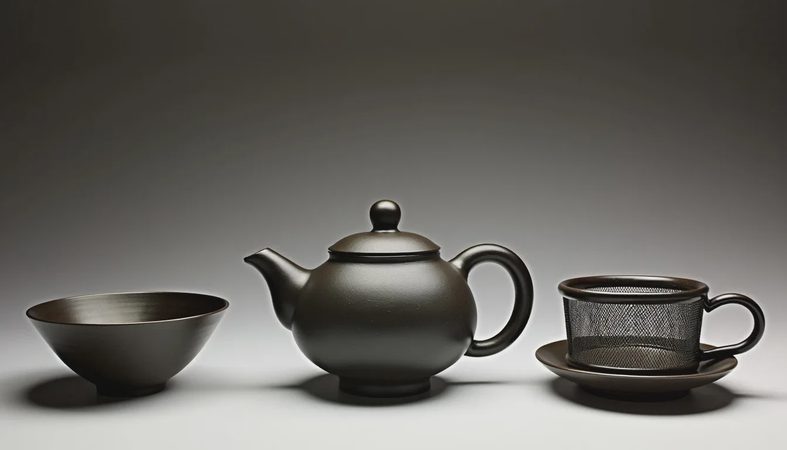
Stoneware feels substantial and holds heat well. Its weight can make a morning ritual feel grounded, although thick walls sometimes keep very hot tea hotter than expected. Give the brew a minute or two before sipping. Earthenware offers rich color and texture, but porous surfaces require more careful cleaning and can retain strong flavors.
Glass makes the brewing process visible. Watching leaves unfurl or mint float through amber liquor is part of the pleasure, especially for beginners. Double-walled glass cups can reduce heat transfer to your hand, but they are not automatically unbreakable. Stainless steel is durable and useful for travel, though it can make the experience feel more utilitarian and may retain aromas if not washed thoroughly.
The right tea cup tea setup is often a practical combination: porcelain for tasting, stoneware for daily black tea, and a travel tumbler for commuting.
Size, shape, and the pace of drinking
Cup size quietly sets the rhythm of a tea break. A 4-ounce cup encourages small pours and repeated attention, a pattern common in several East Asian brewing practices. An 8-ounce cup is flexible for daily use. A 12-ounce mug is convenient at a desk but can encourage you to brew too much tea, allowing delicate flavors to become flat before you finish.
A narrow, tall cup concentrates heat and can focus aroma near the rim. A wide, shallow cup cools more quickly and makes the surface easier to observe. A curved lip feels softer than a sharp rim, while a thin edge can make a well-brewed tea seem more precise. These are sensory differences, not strict rules.
Handle shape matters, too. A traditional cup without a handle may invite you to hold the saucer or warm the vessel between your palms, but a handled cup is more comfortable for very hot tea. Neither choice proves greater knowledge. Comfort is part of good hospitality.
Building a simple tea cup tea ritual
Start with one cup that feels good in your hand. Rinse it with warm water if it is cold, then measure your tea consistently. For many loose-leaf teas, about 2 to 3 grams per 8 ounces of water is a useful starting point, though leaf size and personal taste change the result. Use the temperature recommended for the tea when available; boiling water can make some green teas taste harsh, while black tea usually welcomes hotter water.
Notice three things before adding sugar or milk: the aroma, the texture, and the aftertaste. Take a few sips as the temperature changes. If the tea becomes bitter, try a shorter steep or cooler water before blaming the cup. If it tastes thin, use more leaf or extend the steep modestly.
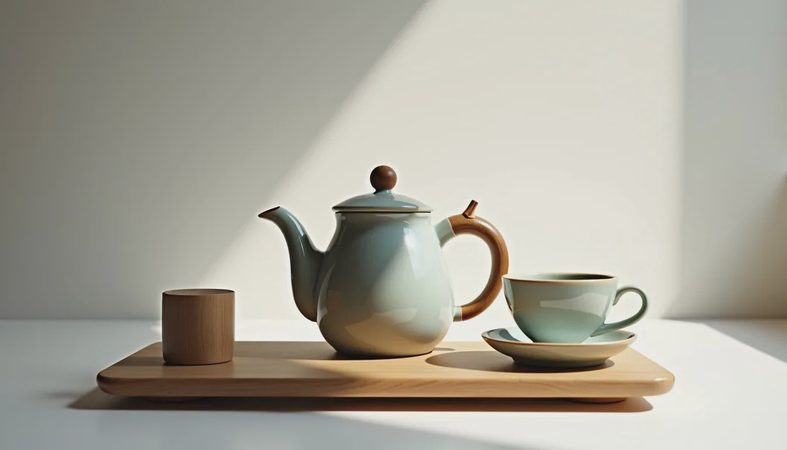
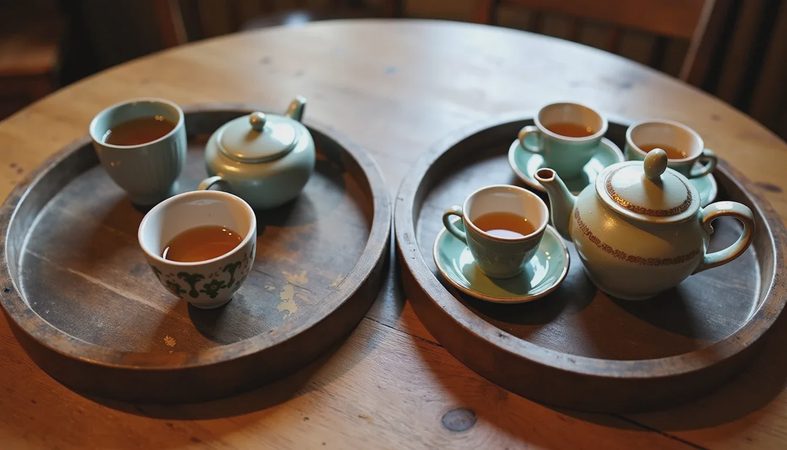
For a family tea break, place a small pot or kettle on a stable tray, offer cups with enough space for additions, and keep a spoon nearby. For solitary drinking, a favorite cup beside a book can be enough ceremony. The object gains meaning through repeated use rather than through its price.

Buying advice for beginners
A useful first purchase is a glazed ceramic or porcelain cup holding 8 to 10 ounces, paired with a small saucer if you enjoy serving others. Look for a stable base, a comfortable handle, and a rim that feels smooth. Avoid buying an elaborate matching set before you know how you like to drink tea. A $10 to $25 cup can serve you better than a fragile decorative piece that never leaves the shelf.
If you sample loose-leaf tea, add a fine basket infuser rather than relying on a tiny metal ball. Leaves need room to expand, and an infuser that reaches into the cup makes both brewing and cleanup easier. For travel, prioritize a secure lid and a design that is easy to wash; a beautiful vessel with trapped tea residue will quickly become unpleasant.
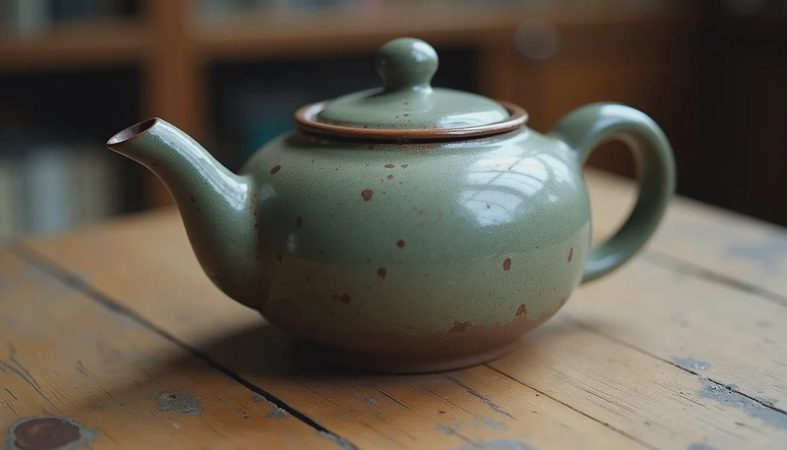
When shopping for tea cup tea pieces, ask whether the cup is microwave-safe, dishwasher-safe, and lead-free when those details matter to your household. Handmade pottery can have natural variation, which is part of its appeal, but follow the maker’s care instructions.
The history belongs in the everyday cup
Every cup has a history. Not every story is true. Teaware reflects trade, technology, domestic labor, hospitality, and changing ideas about privacy and ceremony. A small cup may recall a particular brewing method, while a large mug may represent the modern American workday. Neither is culturally empty.
The best tea cup tea choice is the one that supports the way you actually drink. Choose porcelain for clarity, stoneware for warmth, glass for visual pleasure, or a humble mug for reliability. Learn the traditions that shaped these objects, then adapt them respectfully to your own table. A thoughtful cup does not require perfect technique; it simply gives an everyday beverage a little more attention.
No comments yet — be the first to share a thought.