
The short version is that boba tea Taiwan refers to a modern drink culture that grew from Taiwan's tea shops in the late twentieth century. It combines brewed tea, milk or fruit, ice, sweetness, and chewy tapioca pearls. For many American drinkers, boba tea Taiwan first appears as a colorful takeout cup, but its history is more interesting than its toppings suggest. The drink belongs to a period of rapid urban change, new leisure habits, and inventive shop culture.
What boba tea Taiwan actually means
The phrase can describe both the drink's Taiwanese origins and the broad family of beverages that developed from them. In Taiwan, you may hear terms that translate more closely to pearl milk tea, bubble tea, or simply tea with toppings. In the United States, “boba” often means the tapioca pearls themselves, although it is also used for the entire beverage.
The word “bubble” does not necessarily refer to the pearls. It can describe the foam created when tea, ice, and flavoring are shaken together. “Pearl” points to the round tapioca pieces, while “boba” became a popular English-language label in many communities. These overlapping names reflect how the drink traveled and changed rather than a single strict definition.
The historical record is less tidy than the popular story. Two Taiwanese tea shops are frequently associated with the drink's invention, and competing origin accounts have circulated for decades. It is safer to say that the beverage emerged from Taiwan's tea-shop scene during the 1980s than to treat one dramatic anecdote as settled fact. Every cup has a history. Not every story is true.
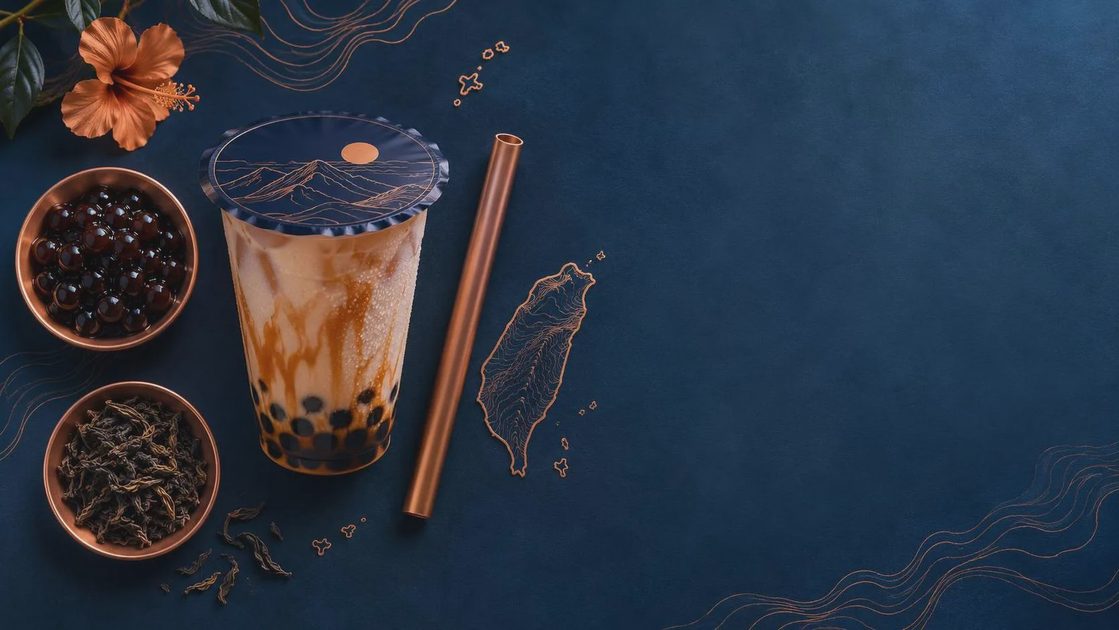
How boba tea Taiwan became a global drink
Taiwan already had a strong tradition of drinking tea outside the home, including chilled tea and made-to-order refreshments. New tea shops could respond quickly to changing tastes by adjusting sweetness, temperature, milk, and toppings. Shaking a drink in a sealed cup also created a theatrical preparation style: the customer could see the foam, ice, and ingredients moving before the lid was fitted.
That format suited busy city life. A drink could be customized, carried on a walk, and consumed through a wide straw. The texture was part of the appeal. Instead of treating tea as a clear liquid alone, boba tea Taiwan made chewing part of drinking. This was not an ancient ritual preserved unchanged; it was a contemporary food invention built from familiar ingredients and modern retail habits.
As Taiwanese-style tea shops expanded across East and Southeast Asia, North America, and other regions, menus grew more elaborate. Some stores emphasized roasted tea, some focused on fruit, and others developed dessert-like milk drinks. This is one tradition, not the only tradition. A shop's menu tells you as much about its neighborhood and customers as it does about Taiwan.
The ingredients behind the cup
A classic milk tea usually begins with black tea, though oolong, green tea, and other bases are common. The tea may be brewed strongly enough to remain noticeable after milk, ice, and sugar are added. Some shops use fresh milk, while others use a nondairy creamer that creates a fuller, sweeter texture. Neither choice automatically makes a drink more traditional; they produce different styles.
Tapioca pearls are made from cassava starch. They are cooked until tender and often held in a sweet syrup, which gives them their dark color and caramel-like flavor. Their best texture is springy and soft, not hard in the center or mushy throughout. Timing matters because pearls lose quality as they sit.
Other toppings can include grass jelly, aloe pieces, pudding, fruit jellies, red beans, and chewy rice-based pieces. These ingredients change the drink's weight and texture dramatically. A lightly sweetened green tea with fruit jelly is a different experience from a rich milk tea crowded with pudding and pearls, even when both are sold under the same broad category.

How to order boba tea thoughtfully
If you are new to boba tea Taiwan, start with the tea base rather than the topping list. Ask whether the shop's black tea is malty, roasted, or floral. For a first order, a milk tea with regular tapioca pearls gives you the clearest sense of the classic combination. If you prefer the tea's aroma, choose less milk and moderate sweetness.
Sweetness levels are not standardized perfectly from shop to shop. “Half sweet” at one counter can taste noticeably different from “half sweet” elsewhere. Ice levels also affect flavor: extra ice can dilute a drink as it melts, while less ice makes the tea taste fuller and warmer. A practical first order is regular ice and half sweetness, followed by adjustments on your next visit.
Do not assume that more toppings means a better drink. Two toppings are often enough to compare textures without turning the cup into a dessert bowl. If you are sensitive to dairy, ask about milk alternatives and ingredient information. A wide straw is useful for pearls, but sip carefully; the toppings can move quickly.
Making a simple version at home
To make boba tea Taiwan style at home, brew a strong cup of black tea and let it cool. Cook packaged tapioca pearls according to the instructions, then rinse or drain them as directed and coat them lightly with brown sugar syrup. Add ice to a sturdy glass, pour in the tea, and add milk until the color and strength suit you. Finish with the pearls and use a large straw or a spoon.
The most common home mistake is brewing weak tea. Ice and milk soften both flavor and aroma, so a tea bag steeped for only a short time can disappear in the finished drink. A second mistake is cooking a large batch of pearls for the week. Their texture changes quickly, making smaller batches more satisfying.
You can also make a less sweet version with unsweetened tea, a modest amount of milk, and a teaspoon of syrup. This preserves the drink's structure while allowing the tea to remain central. Home preparation is not a test of cultural expertise. You can appreciate the ritual without performing expertise.
A better way to understand the tradition
Boba tea Taiwan is best understood as living food culture rather than a museum piece. It carries Taiwanese tea-shop history, but every city that adopts it adds new flavors, serving habits, and expectations. A fruit-heavy menu in an American college town is not identical to a neighborhood tea counter in Taiwan, and it does not need to be.
When choosing a shop, notice whether the tea is brewed to order, how the pearls are handled, and whether sweetness can be adjusted. Read the menu for tea names, not only photographs. A shop that explains its bases gives you a better opportunity to taste the beverage's foundation.
The next time you order boba tea Taiwan, pause over the balance of aroma, sweetness, temperature, and texture. The pearls are memorable, but they are only one part of the cup. The deeper pleasure comes from seeing how a relatively recent Taiwanese invention continues to adapt while keeping tea at its center.

No comments yet — be the first to share a thought.