The short version is that tea gongfu is a way of preparing loose-leaf tea in a small vessel, using a relatively generous amount of leaf and several short infusions. Each pour offers a slightly different taste of the same leaves. Start with a small pot or gaiwan, an oolong you enjoy, hot water, and a few unhurried minutes. You do not need an elaborate tea table or perfect technique.
The phrase is often rendered as gongfu tea or gongfu cha. Gongfu suggests skill developed through effort; in this setting, it points to attention to the brewing process rather than a single fixed recipe. A gaiwan is a lidded bowl used for brewing and pouring tea. Both a gaiwan and a small teapot can make a lovely first cup.
What makes tea gongfu different?
Many American tea drinkers are accustomed to steeping a modest amount of leaf in a large mug for several minutes. In tea gongfu, the proportions generally shift: more leaf meets less water, and the first infusions are often measured in seconds. The leaves remain useful for several rounds, so a session unfolds across multiple small cups rather than one large brew.
This approach is especially rewarding with oolong and pu-erh, whose flavors can change noticeably from infusion to infusion. You can also brew black, white, or green tea this way, though you may need cooler water or shorter steeps for delicate leaves. There is no rule that every tea improves in a small vessel; some are simply delicious in a mug.
A smaller pour also lets you adjust quickly. If the first cup tastes thin, leave the next infusion a little longer. If it is bitter or drying, shorten the steep or use less leaf next time. Think of the method as a conversation with the tea, not a test you can fail.
A simple first session
For a starting point, use about 5 grams of loose-leaf oolong in a vessel that holds roughly 100 milliliters, or a little over 3 fluid ounces. These proportions are a guide, not a universal standard. If you do not have a scale, use enough dry leaf to loosely cover the bottom of a small gaiwan; tightly rolled and long, wiry leaves occupy very different amounts of space, so expect to adjust.
Heat water to approximately 195 to 205 degrees Fahrenheit for a first attempt with oolong. Bring fresh water to a boil, then let it cool briefly if you do not have a temperature-controlled kettle. Put the leaves in the vessel, add water, and cover. Steep for about 10 to 15 seconds, then pour out the tea completely into a small cup or a separate serving pitcher.
Taste, then add more hot water to the same leaves. Try a similar steep for the second infusion, gradually adding a few seconds as the flavor weakens. Some teas will give several enjoyable infusions; others fade sooner. Stop when the tea no longer tastes interesting to you.
Pouring most of the liquid out between rounds matters: water left sitting with the leaves continues to extract flavor and can make the next cup unexpectedly strong. If the tea is too concentrated from the beginning, reduce the leaf or add a little hot water to your cup. You can also lengthen later infusions if the flavor becomes faint.
Some drinkers briefly rinse leaves with hot water and discard that first pour, particularly when working with compressed pu-erh. Others skip it to preserve the flavor of the first infusion. A rinse is a choice, not a guarantee that tea is clean or safe.
The objects you actually need
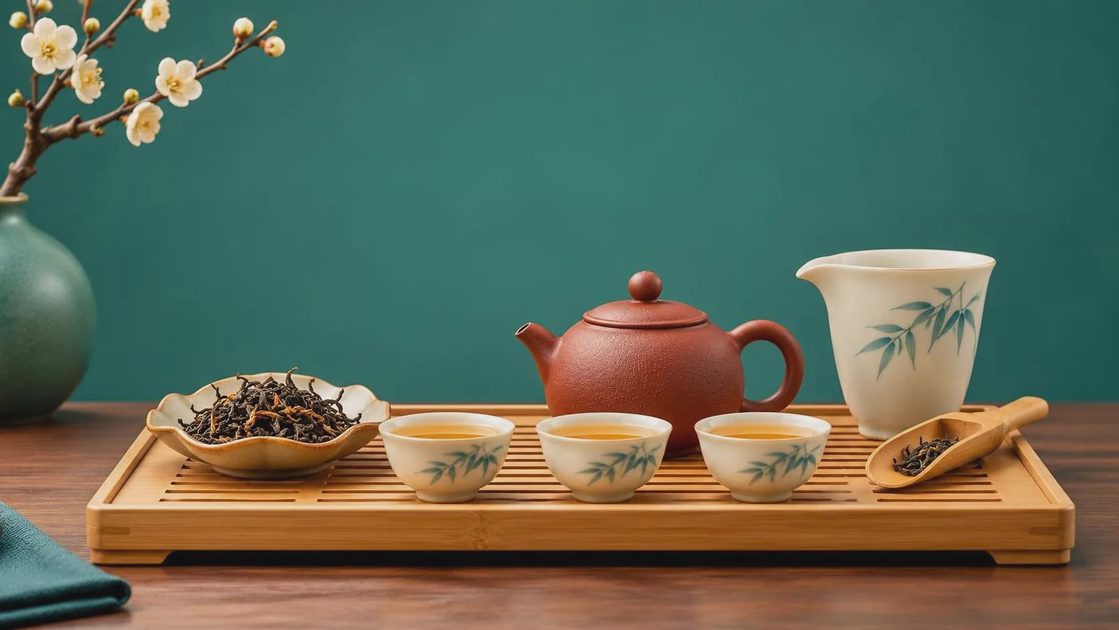
A small porcelain gaiwan is a versatile place to begin because its glazed surface is easy to clean and works with different kinds of tea. To pour, set the lid slightly askew to hold back the leaves, grip the rim and lid carefully, and practice first with warm rather than boiling water. The bowl and escaping steam can burn. If a gaiwan feels awkward, a small glazed teapot with a comfortable handle is a sensible alternative.
A pitcher, sometimes called a fairness cup, is useful when serving several people: pour the entire infusion into it before dividing the tea among cups. That keeps one guest from receiving only the stronger last drops. For a solo session, pouring directly into a cup is fine.
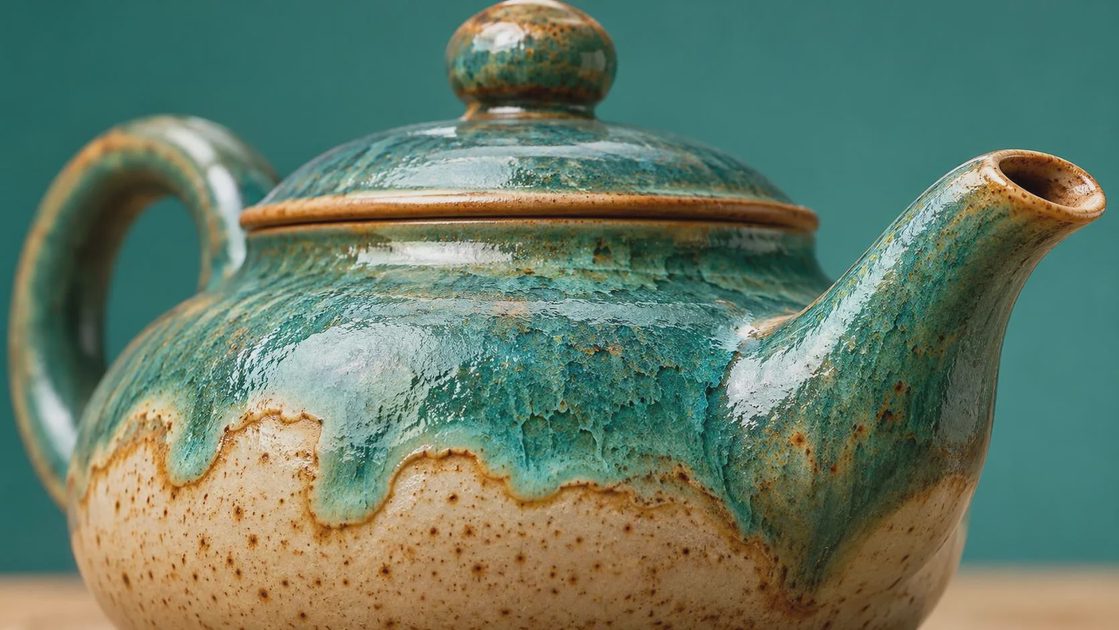
A tray can catch spills, but a rimmed plate or folded towel also works. A kettle and a heat-safe cup complete the basic setup. Unglazed clay pots are valued in some tea traditions, but they add decisions about clay, care, and dedicating a pot to particular teas. I would begin with glazed ware and learn what you enjoy before making that investment.
Where tea gongfu comes from
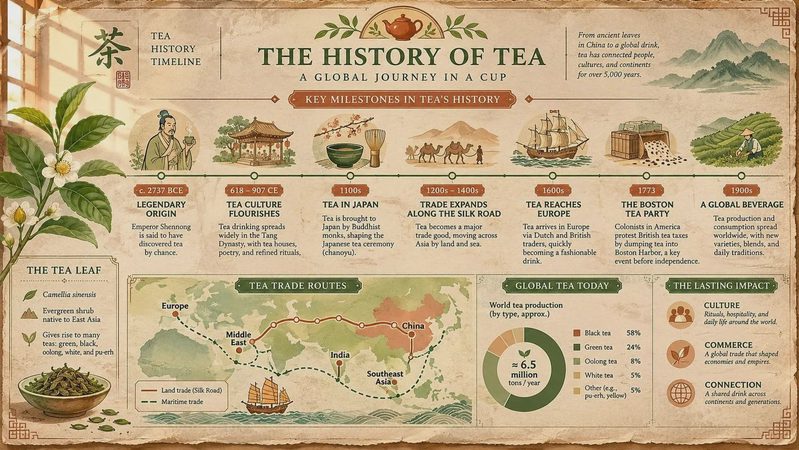
Gongfu-style preparation is associated particularly with parts of southern China, including the Chaoshan region of Guangdong and areas of Fujian. Small brewing vessels, concentrated infusions, and shared cups appear in regional practices, but the details differ among households, places, and periods. Contemporary tea sessions in Taiwan and elsewhere have also developed their own approaches.
The historical record is less tidy than a story in which one person invents a complete ceremony and everyone follows it unchanged. Objects survive, written descriptions offer clues, and customs continue to evolve; none gives us a single template for every table. Modern presentations may bring together older regional habits and newer preferences for equipment or hospitality.
That distinction matters when shopping. A seller's claim that a particular accessory is required by an ancient, universal ritual deserves a little skepticism. Every cup has a history. Not every story is true.
Make the ritual fit your day
For a work break, choose one tea and set aside enough time for two or three infusions. You do not need to exhaust the leaves at one sitting. If you pause briefly, leave the wet leaves in the covered vessel; for longer breaks, be mindful that damp leaves are perishable, and discard them if their condition is questionable.
When sharing tea gongfu with guests, explain that the cups are small because more pours are coming. Offer water and let people decline another round without comment. Tea contains caffeine, and strength varies with the leaf and brewing method.
The most useful skill is paying attention: notice how the aroma changes, how long a pleasant finish lasts, and whether the next pour wants more time. You can appreciate the ritual without performing expertise, and your everyday mug can remain part of your tea life too.

No comments yet — be the first to share a thought.