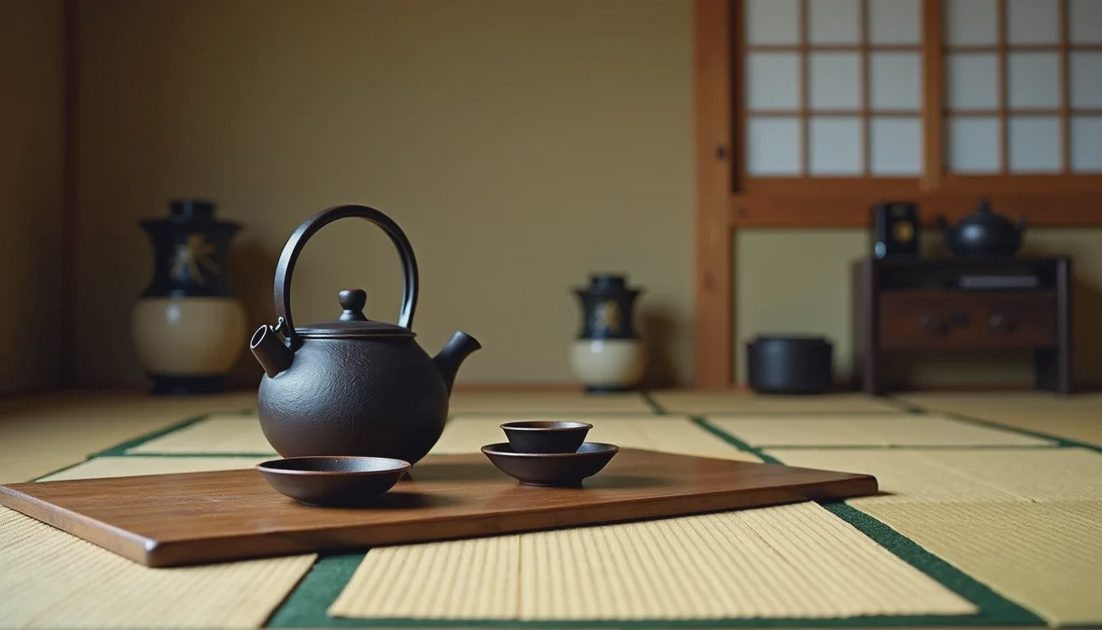
Few tea subjects attract more romantic projection than Japanese tea ceremony.
Images of quiet tatami rooms, precise gestures, and an atmosphere of perfect stillness circulate widely. Some of those images reflect real practice. Many others flatten a complex, historically layered tradition into a single aesthetic mood. The result is that beginners often arrive with strong expectations and limited accurate information.
This post aims to clarify what Japanese tea ceremony (chanoyu or sadō/chadō) actually is, how it developed, and which popular claims need tempering.
The Short Version
Japanese tea ceremony is a highly formalized practice of preparing and serving matcha (powdered green tea) according to established procedures that integrate aesthetics, etiquette, seasonal awareness, and philosophical influences, particularly from Zen Buddhism. It is a Japanese cultural formation that drew on earlier continental tea practices while developing its own distinct forms, schools, and meanings. It is not a universal Asian tea ritual, nor is it the everyday way most Japanese people drink tea.
Historical Development in Brief
Tea entered Japan through cultural exchange with China, especially via Buddhist monks. Early forms of tea drinking in Japan were not identical to the later ceremony. Over centuries, practices evolved. By the late 15th and 16th centuries, influential figures—most famously Sen no Rikyū—helped shape the wabi-cha aesthetic that emphasized simplicity, imperfection, and careful attention to utensils, space, and gesture.
Rikyū’s legacy was institutionalized through schools of tea (including the three main Sen houses and others). These schools preserved, refined, and sometimes debated procedures for different types of gatherings, seasonal variations, and levels of formality. The tradition continued to develop through the Edo period and into modern times, surviving political and social change while remaining a specialized cultural practice rather than a mass daily habit.
What the Ceremony Involves
A formal tea gathering (chaji) can be an extended event involving a meal, multiple stages of tea preparation, and careful use of utensils and space. Shorter forms (chakai) also exist. Key elements typically include:
A dedicated or carefully arranged space (often a tea room with tatami)
Specific utensils (tea bowl, tea scoop, whisk, tea caddy, kettle, etc.)
Established procedures for purifying utensils, preparing the tea, serving guests, and closing the gathering
Attention to season, light, and the selection of objects
A code of etiquette for both host and guests
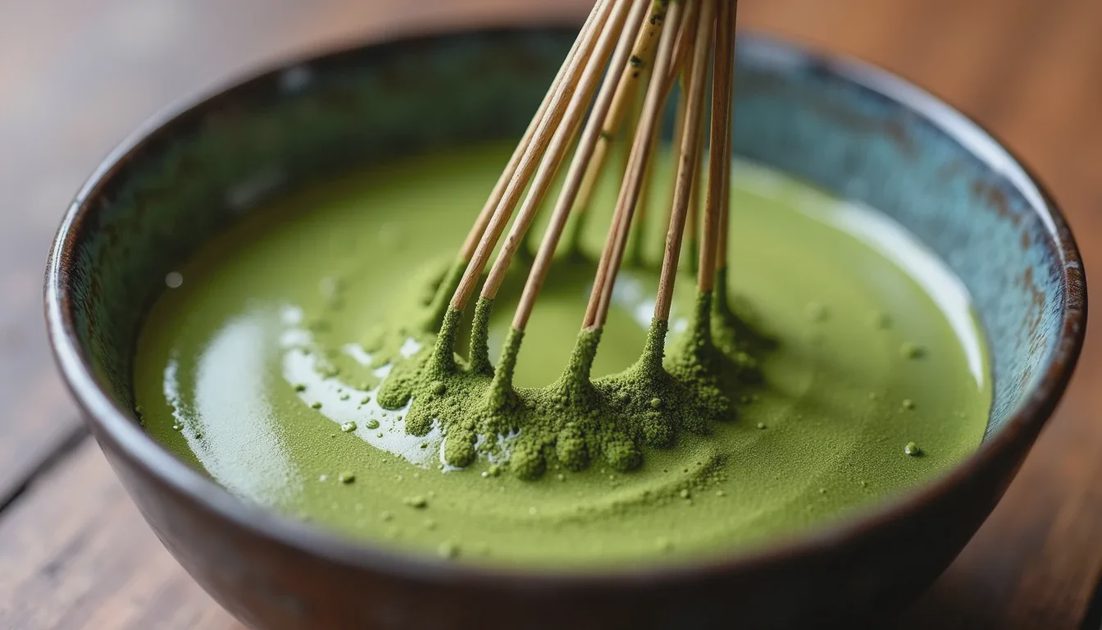
The powdered tea used is matcha, whisked with water rather than steeped as loose leaves. This method itself has a history distinct from the leaf-tea practices that dominate most Chinese and later European traditions.
Common Misconceptions
“It is the traditional way all Japanese people drink tea”
Most daily tea drinking in Japan is informal and uses sencha or other leaf teas, often prepared simply. The formal ceremony is a specialized cultural practice, studied and performed by people who devote time to it. Treating it as everyday Japanese tea culture is inaccurate.
“It is pure Zen Buddhism in liquid form”
Zen influence is real and historically important, particularly in the aesthetics of wabi and the emphasis on presence. However, the ceremony also incorporates elements of etiquette, artistic appreciation, social ritual, and school-specific tradition. Reducing it to “Zen” alone flattens its complexity.
“There is one correct way”
Multiple schools exist, each with variations in procedure, utensil preference, and emphasis. Even within a school, different types of gatherings follow different protocols. Claims of a single universal correct form usually reflect limited exposure.
“It is ancient and unchanged”
Like most living traditions, it has changed over time. Procedures were refined, schools formalized, and the practice adapted to new social conditions. Presenting it as frozen in the 16th century is historically misleading.
What Beginners Can Usefully Take Away
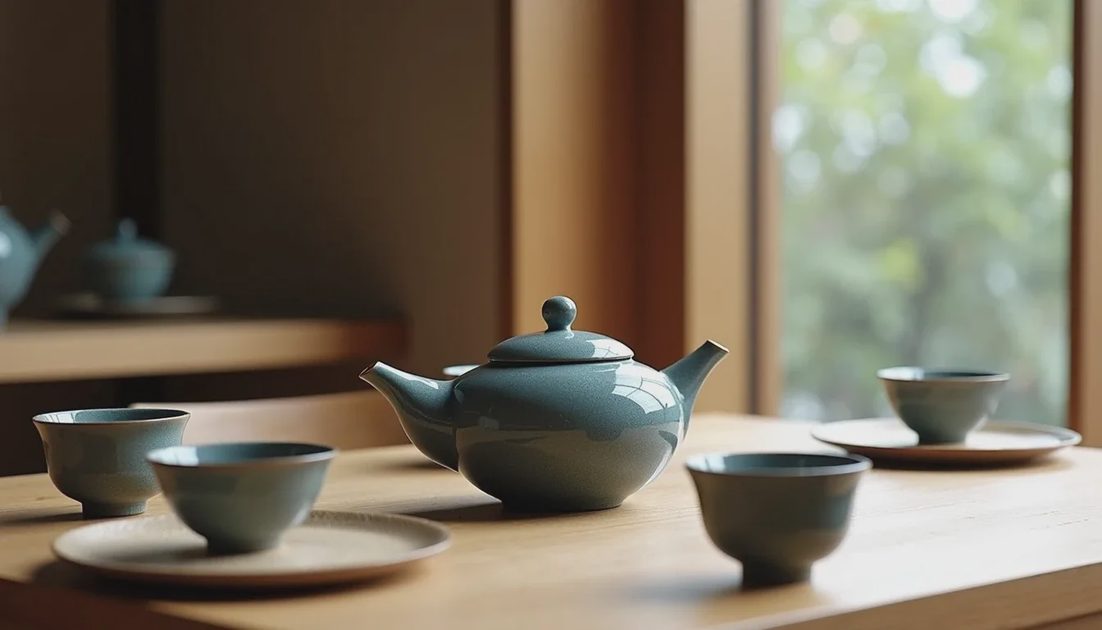
You do not need to study formal tea ceremony to appreciate Japanese tea culture. Many Japanese teas (sencha, gyokuro, hōjicha, genmaicha, and others) are prepared as loose-leaf infusions and fit easily into everyday routines.
If you are drawn to the ceremony itself, the most respectful starting point is accurate information rather than aesthetic imitation. Understanding that it is a structured practice with schools, training, and specific contexts helps avoid turning it into a decorative performance.
For the home tea drinker, the deeper lesson may be simpler: attention to utensils, season, and the quality of the moment can enrich any tea practice without requiring formal certification.
Practical Takeaway
Japanese tea ceremony is a rich, historically developed tradition that rewards careful study. It is not the default mode of Japanese tea drinking, nor a universal template for “proper” tea. Approaching it with historical clarity rather than romantic projection allows both deeper appreciation and more honest comparison with other tea cultures.
Every cup has a history. Not every story is true. The story of Japanese tea ceremony is one of the best places to practice that distinction.
No comments yet — be the first to share a thought.